Walk between gasshō-zukuri houses, rice fields and mountain views. The village’s distinctive buildings tell a story of work, weather and family life.
The story behind the place
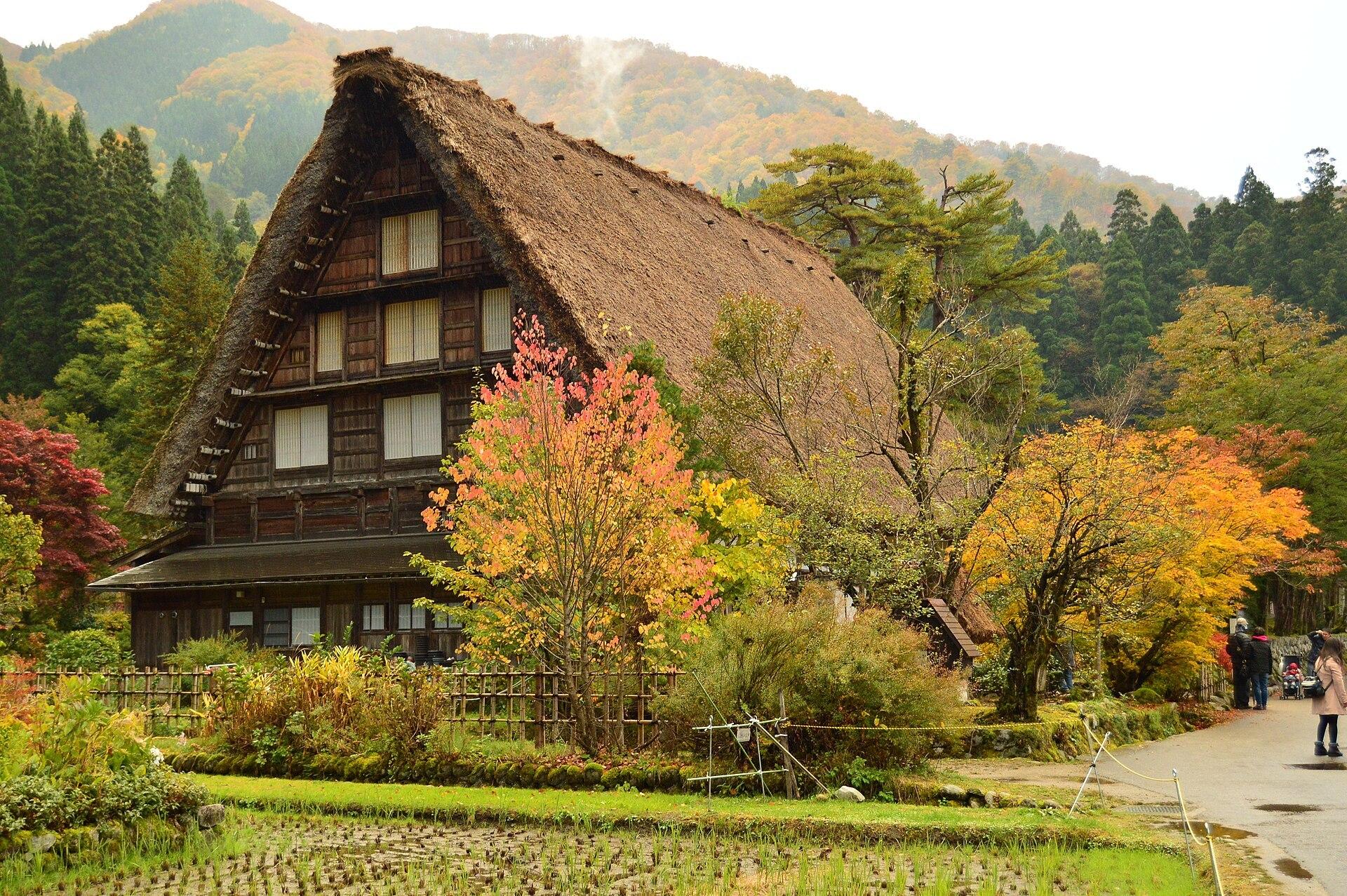
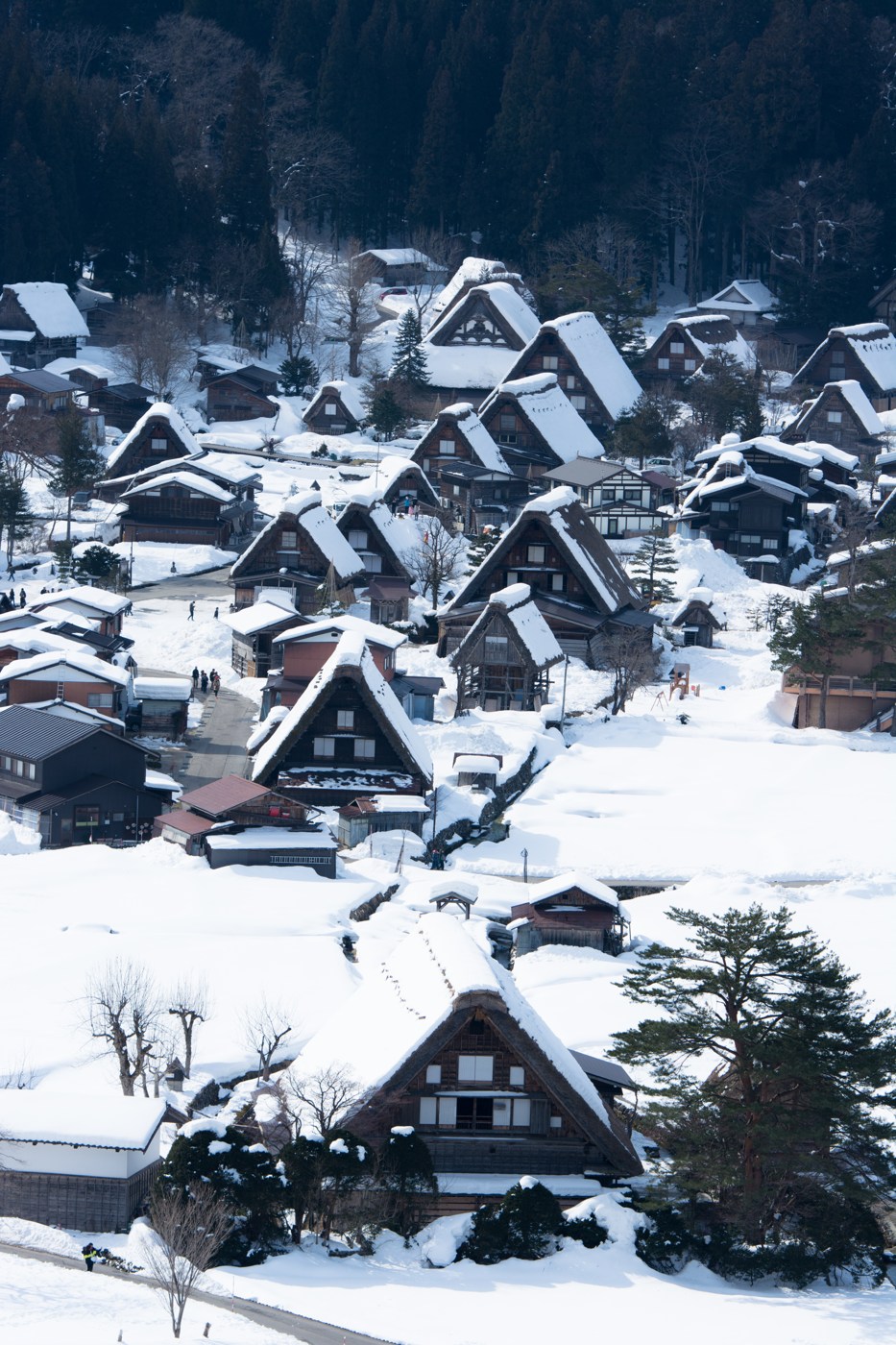
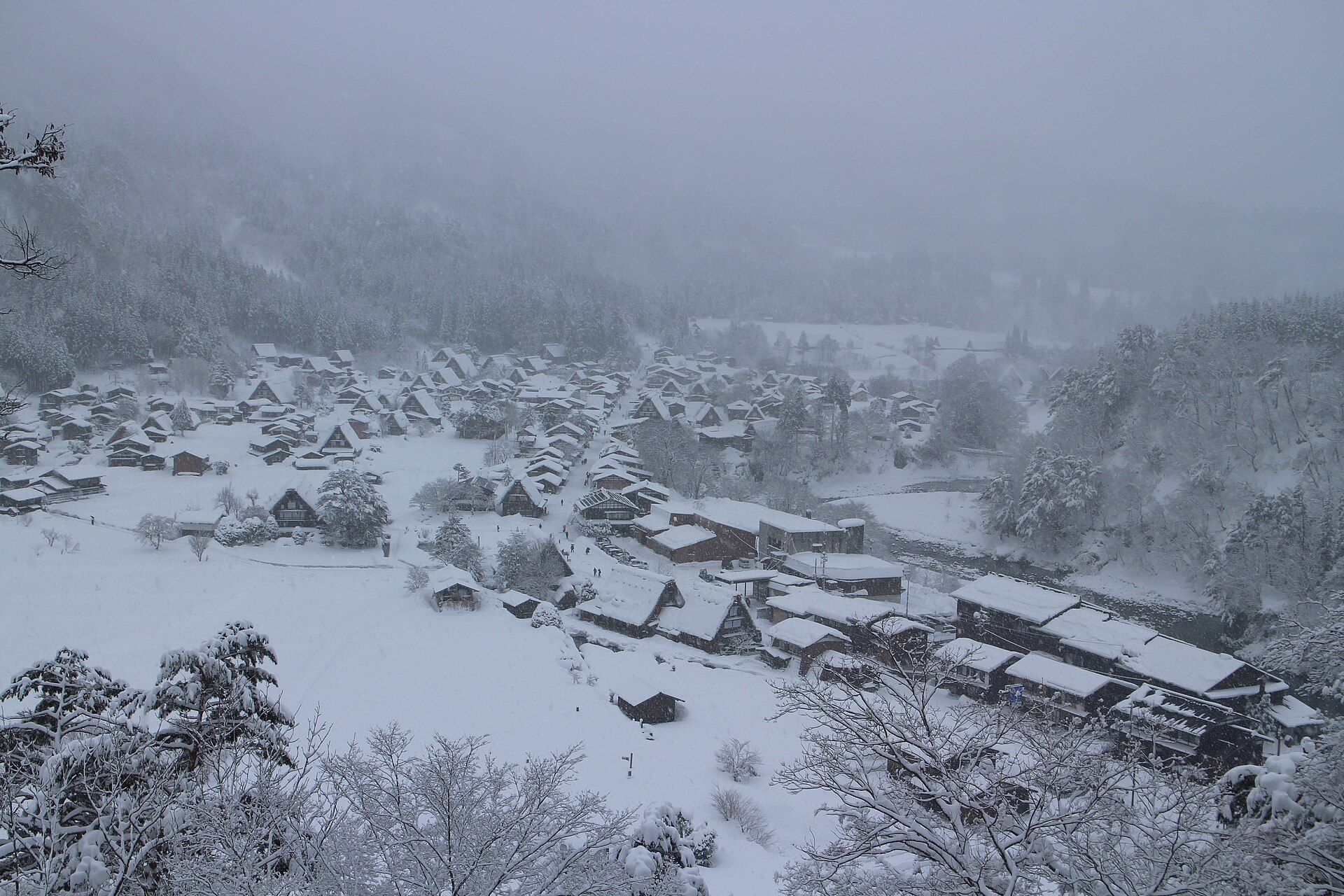
The first view of Shirakawa-go is wonderfully familiar: steep roofs gathered between wooded mountains, with rice fields running between the houses. Come down into Ogimachi, the village at the heart of most visits, and the details become just as interesting. Water moves along the lanes, vegetables grow beside homes, and enormous timber roofs shelter rooms shaped by generations of work.
The gasshō-zukuri houses take their name from a shape resembling hands joined in prayer. Their steep roofs suit this snowy mountain setting; the spacious upper floors supported silk production. Ogimachi joined the villages of Ainokura and Suganuma in neighbouring Gokayama on UNESCO’s World Heritage List in 1995.
Give Ogimachi a full, unhurried day: a viewpoint, a house interior, a local lunch and a walk across the river. The village remains a residential community, so keep to public paths between the houses and fields. Early in the day is particularly rewarding, before the busiest flow of visitors arrives.
Start at the Ogimachi Castle Ruins Observation Deck to see how the houses, fields and river fit into the valley.
A closer look
From this former castle site, the steep roofs make sense as part of a whole working landscape. Allow around 45–60 minutes for the outing from the village, including time to stop. Use the village’s viewpoint transport when the walking route is closed in winter.
Step inside one of the village’s largest gasshō houses.
A closer look
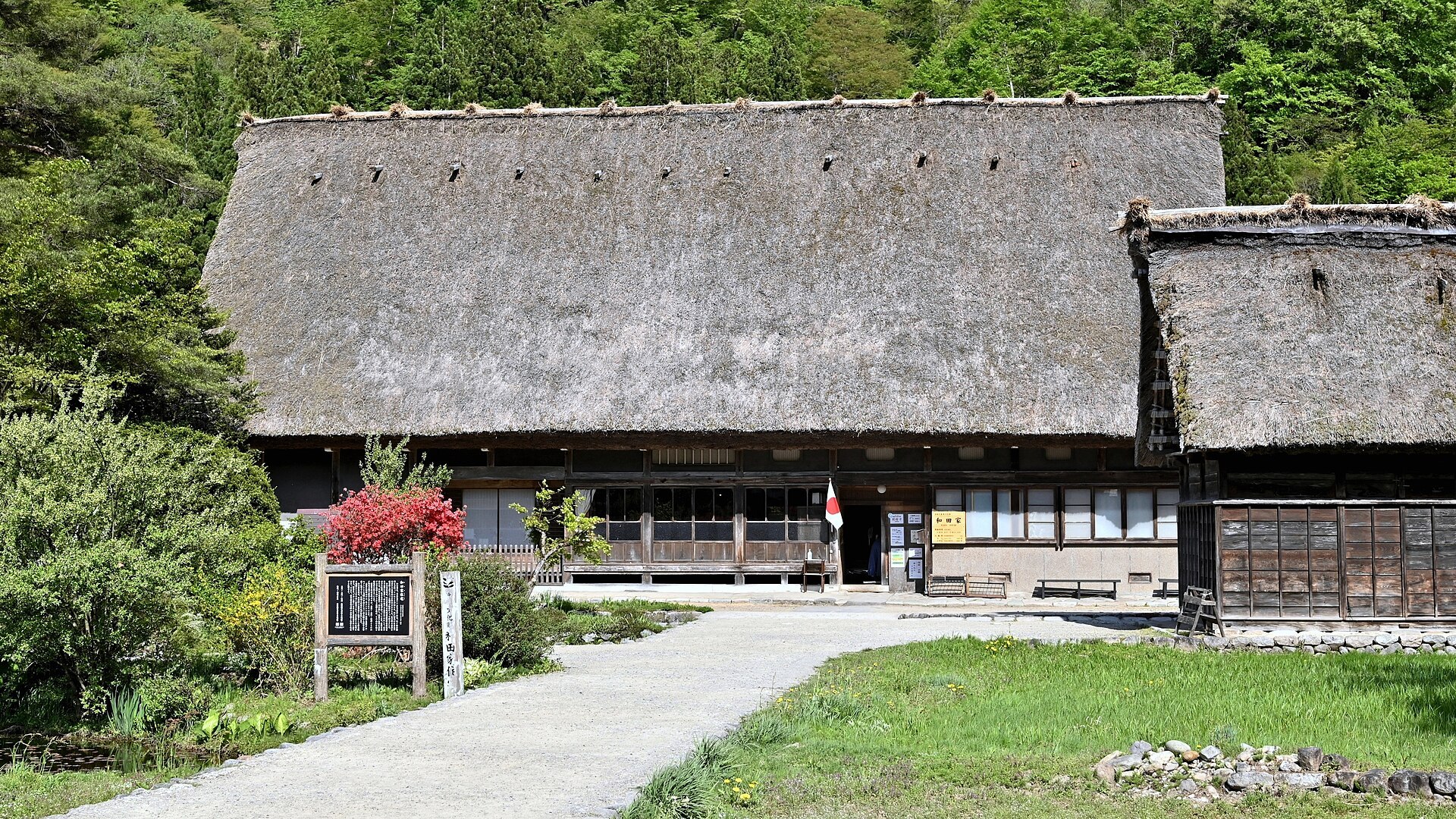
The Wada family held village offices and traded in silk and ingredients for gunpowder, connecting this mountain settlement to wider commercial networks. The first and second floors are open to visitors: look up into the roof structure and imagine the work that once occupied these spaces. Allow about 45 minutes.
Walk south through Ogimachi to Myōzenji, whose thatched buildings bring the village’s architectural language into a Buddhist temple setting.
A closer look
The museum occupies the former living quarters, with an open hearth and household objects that make everyday life easier to picture. Leave time for the public lanes around it, where rooflines rise above small fields.
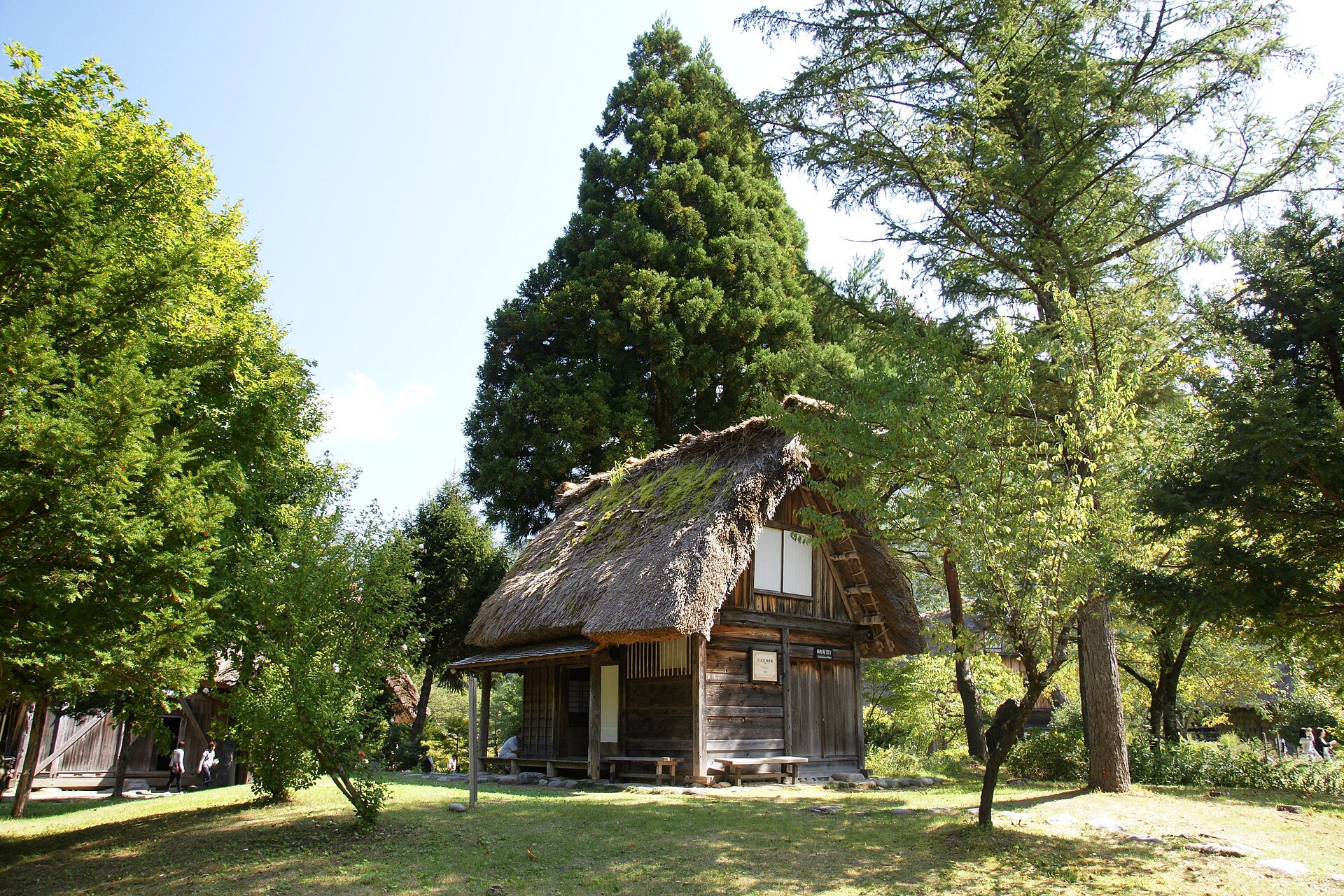
Cross the Shō River by the Deai Bridge to the open-air museum. Relocated gasshō houses, a watermill and other buildings let you explore the architecture at a slower pace.
A closer look
Climb into an accessible attic and look closely at the timber frame: the scale of these roofs is much more tangible from inside. Give the museum about an hour.
A 15-seat restaurant in a late-Edo-period thatched house. Its Hida beef lunch comes with homemade hōba miso, grilled on a magnolia leaf, and the family’s own rice.
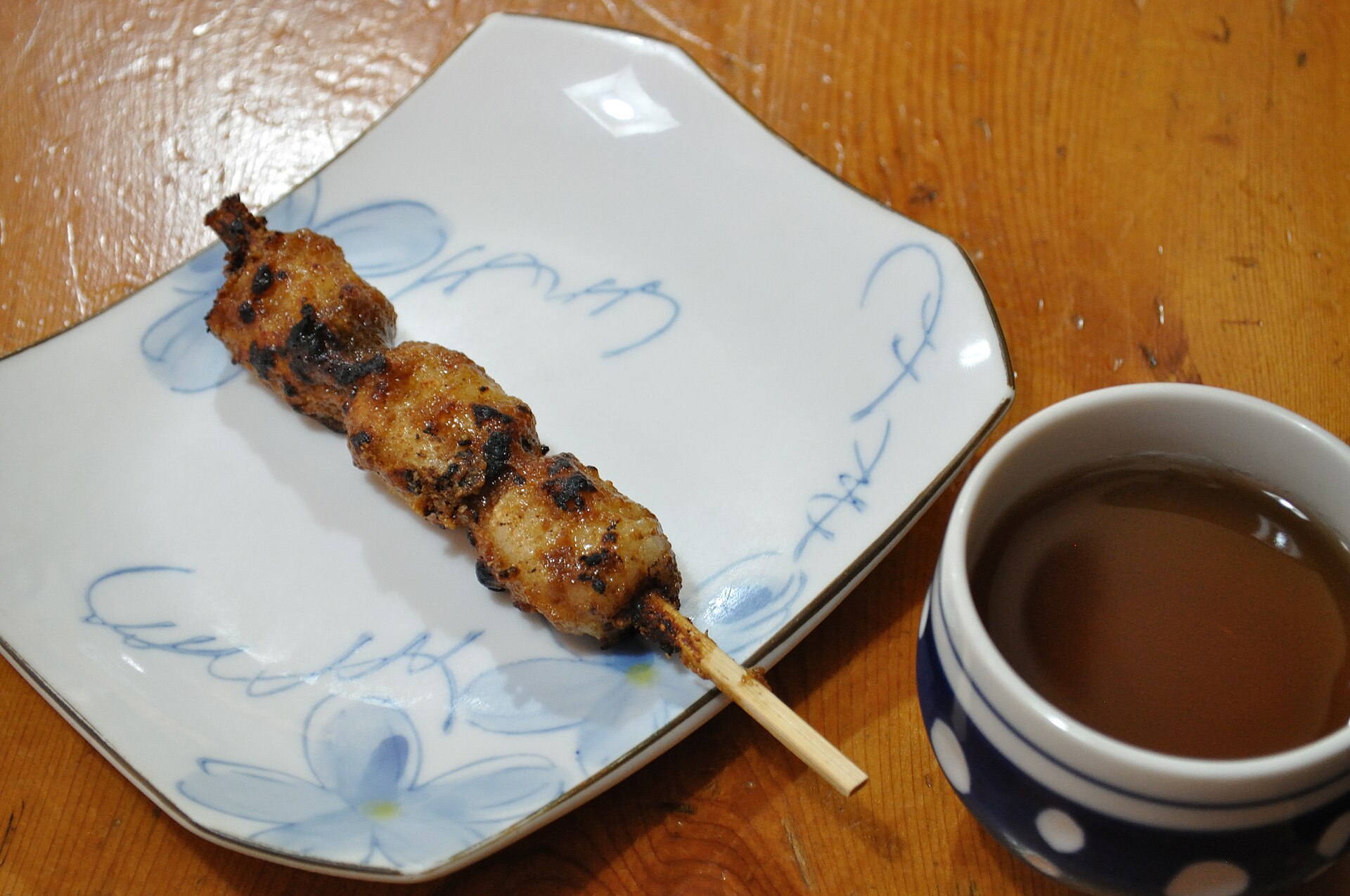
Opened by two sisters from Shirakawa, this small shop serves takeaway gohei mochi: grilled rice on a skewer with sweet miso. Stop for a snack and sit on the terrace.
For food, I would build the day around a small soba counter, a meal of Hida beef and hōba miso, or freshly grilled gohei mochi. These three locally rooted places each offer a different way into the region’s cooking; choose one lunch and leave room for a snack.
THROUGH THE YEAR
Choose your moment.
Summer
Green fields & mountain light
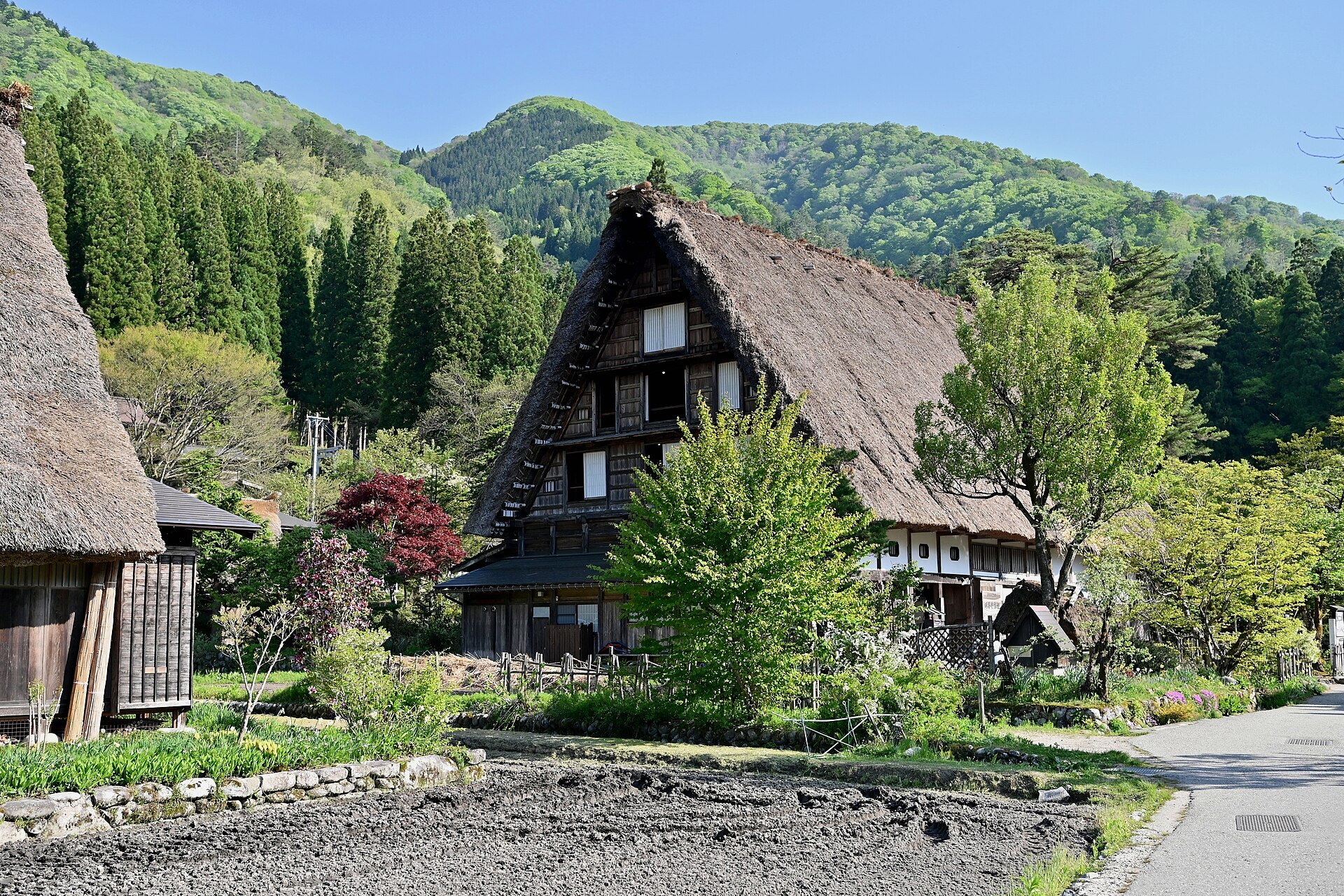
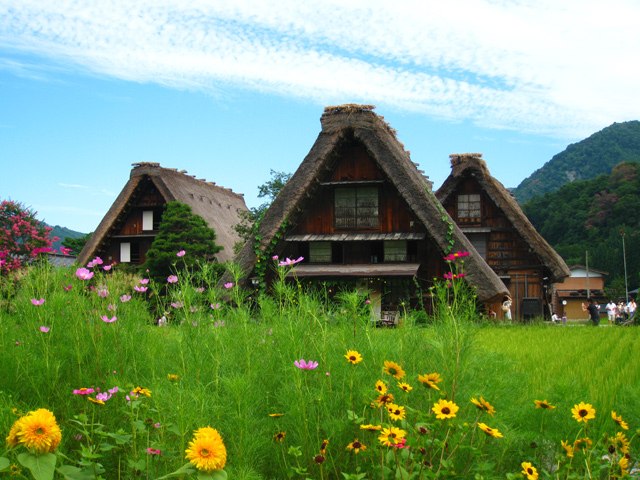
In summer, the village’s fields and gardens give the thatched roofs a different setting.
A closer look
Come for green mountain slopes, flowers along the lanes and time outside between house visits. This is a seasonal reason to visit rather than a fixed-date event.
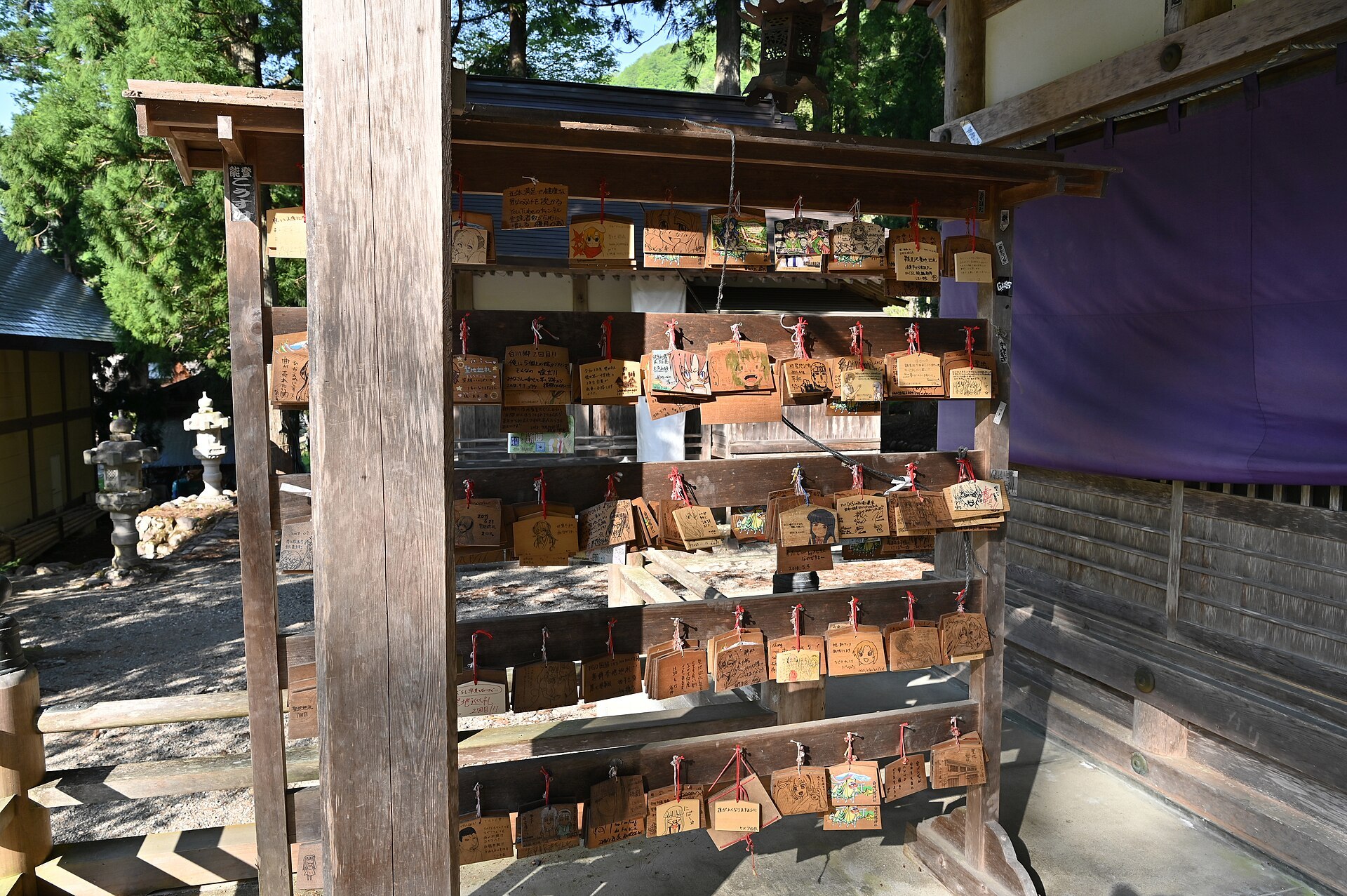
The village’s shrines mark the harvest with ceremonies, processions, lion dances and doburoku, a cloudy unfiltered sake brewed for the rites.
A closer look
The celebrations take place across Shirakawa Village in mid-October; Shirakawa Hachiman Shrine is the Ogimachi focus. It is a chance to see the community’s religious calendar alongside the landscape.
Heavy snow transforms the rooflines and softens the view across Ogimachi.
A closer look
On a small number of winter evenings, an organised light-up illuminates the houses. Entry to those evenings requires an advance reservation; an ordinary daytime visit does not include the event. The linked official page explains the arrangements for each winter.