Begin among Amanohashidate’s pines, then follow the bay to Ine. Fishing villages, rice terraces and open beaches give this journey its shape.
The story behind the place
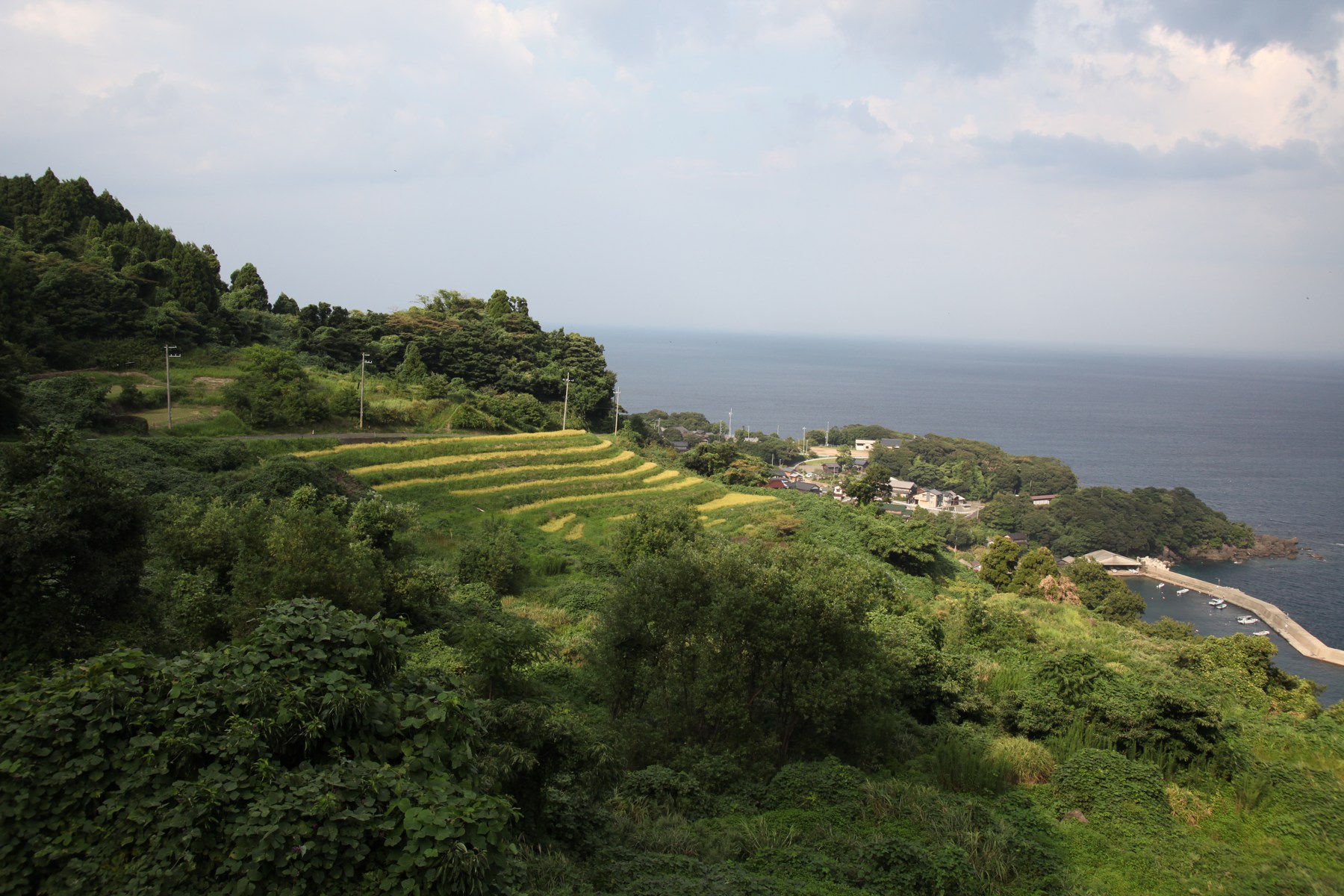
Beyond the city’s gardens and temple streets, northern Kyoto opens onto the Sea of Japan. Here, the landscape is shaped by fishing, rice growing and the small settlements between headlands.
Make Amanohashidate and Ine the heart of the journey: pines and an elevated view in the morning, then lunch, boathouses and a drink by the bay. The beaches on the western side of Tango are a welcome extra when you have more time, rather than essential stops.
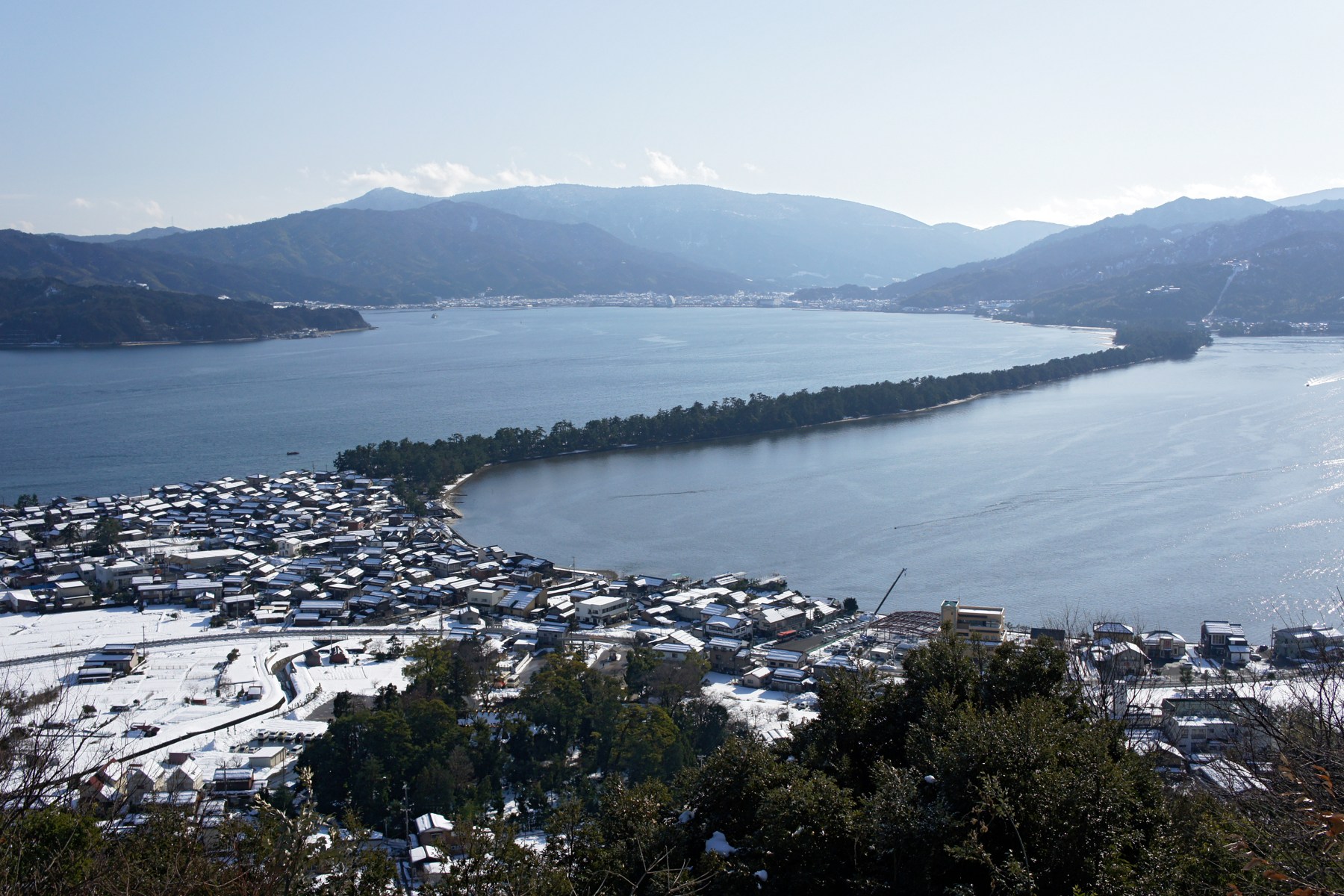
Walk a section of the pine-covered sandbar and let the water frame the view.
A closer look
Seen from above, its narrow shape explains why this landscape has held such a strong place in Japanese travel culture. Choose a viewpoint or the sandbar itself; you do not need to collect every angle.
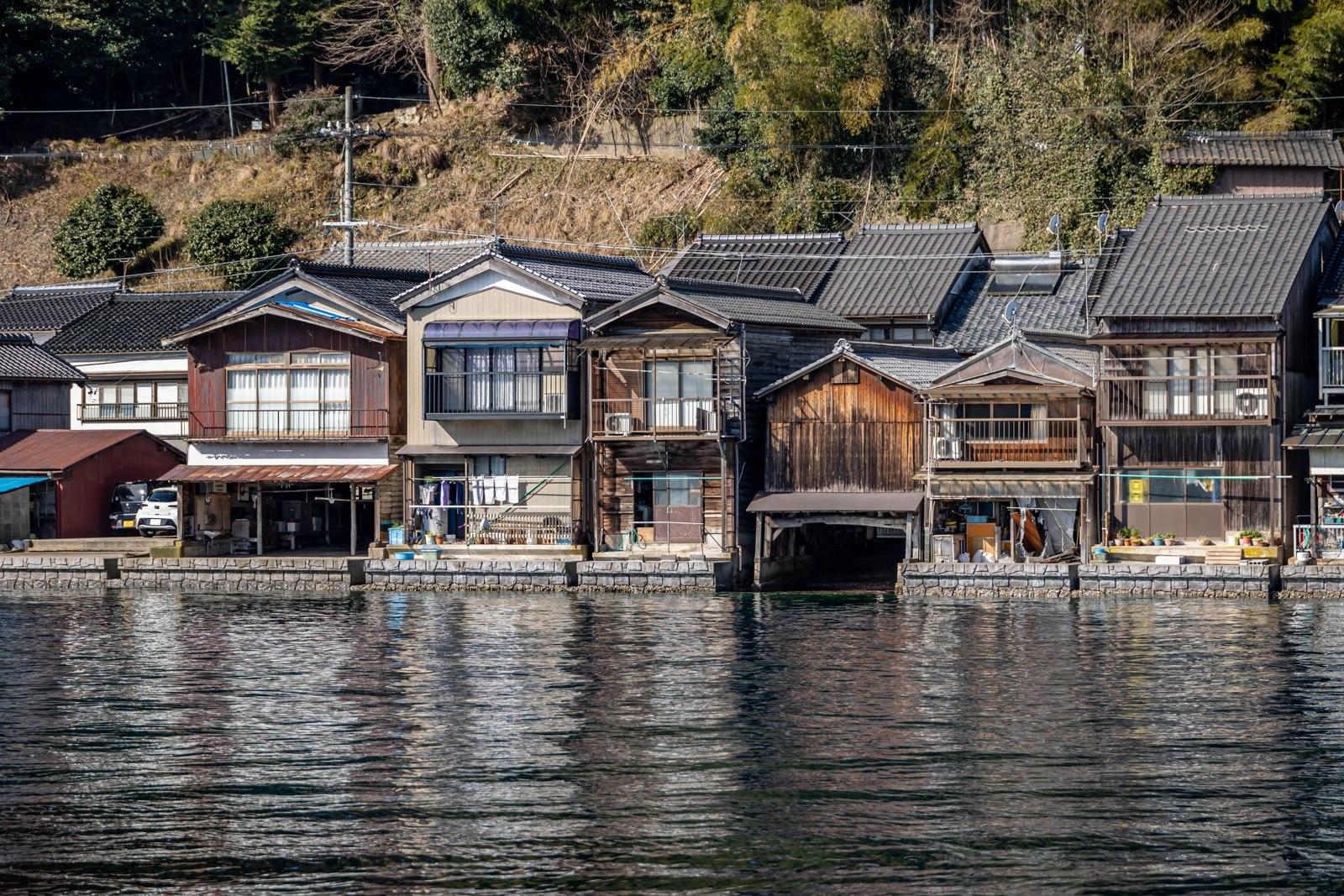
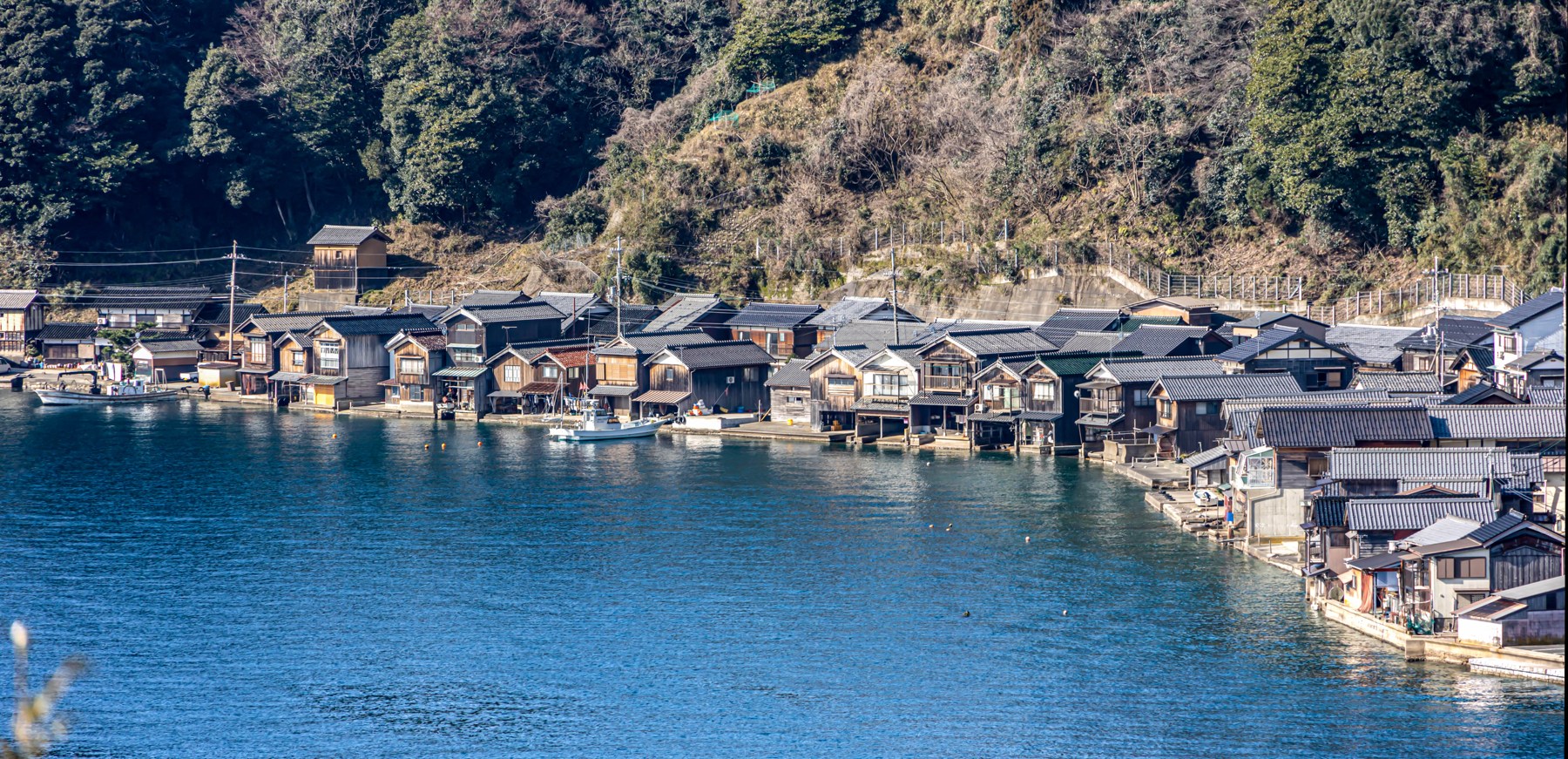
The funaya boathouses put boat storage at water level, with rooms above. Their architecture makes sense from the sea: consider a bay cruise before walking the village.
A closer look
These are working buildings and homes, so use public routes and enter only places that welcome visitors. For a view over the whole bay, head up to Funaya-no-Sato Park; allow extra time for the climb or take a short drive.
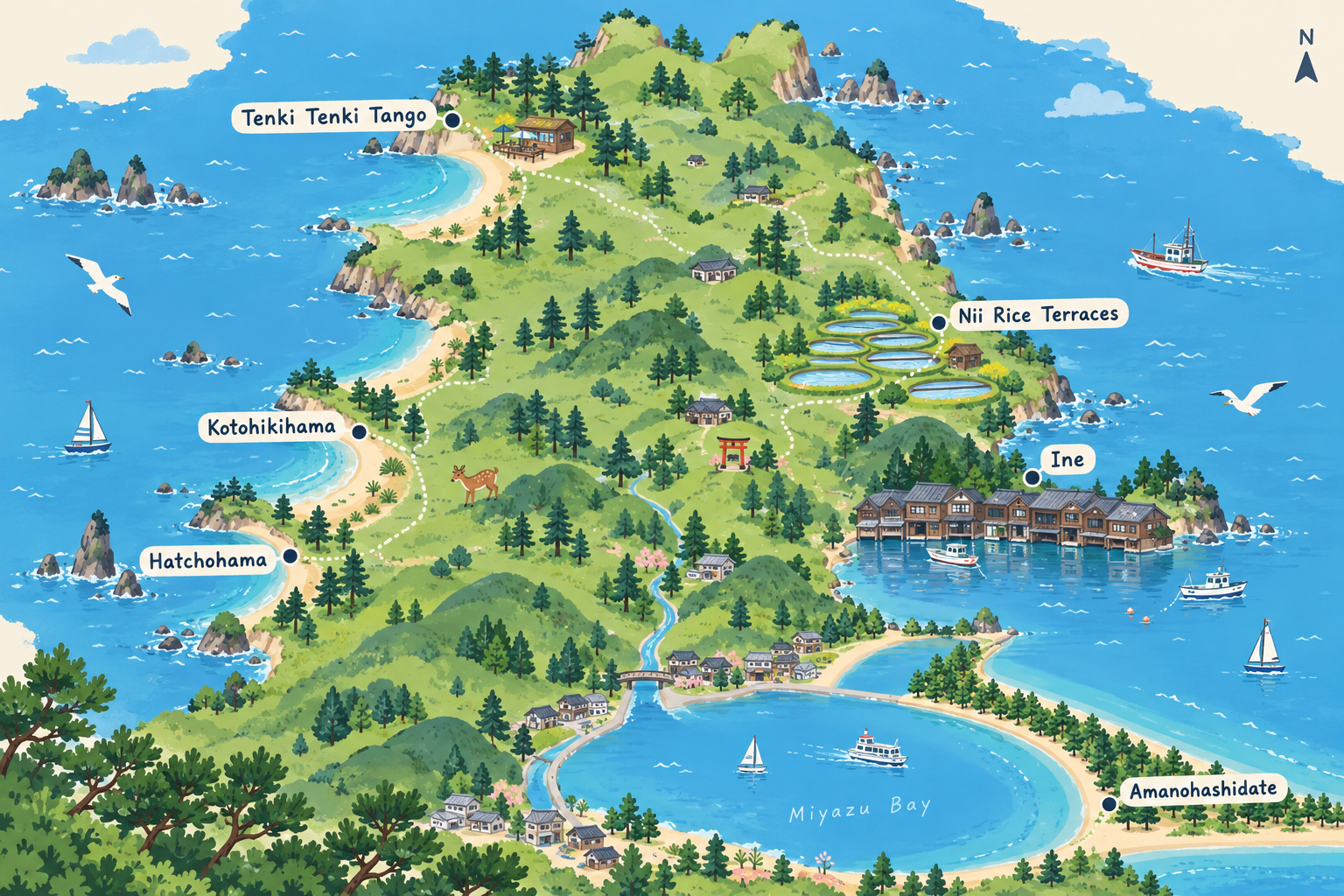
An illustrated introduction, not to scale. Use the map below for directions.
ANOTHER WAY TO SPEND THE DAY
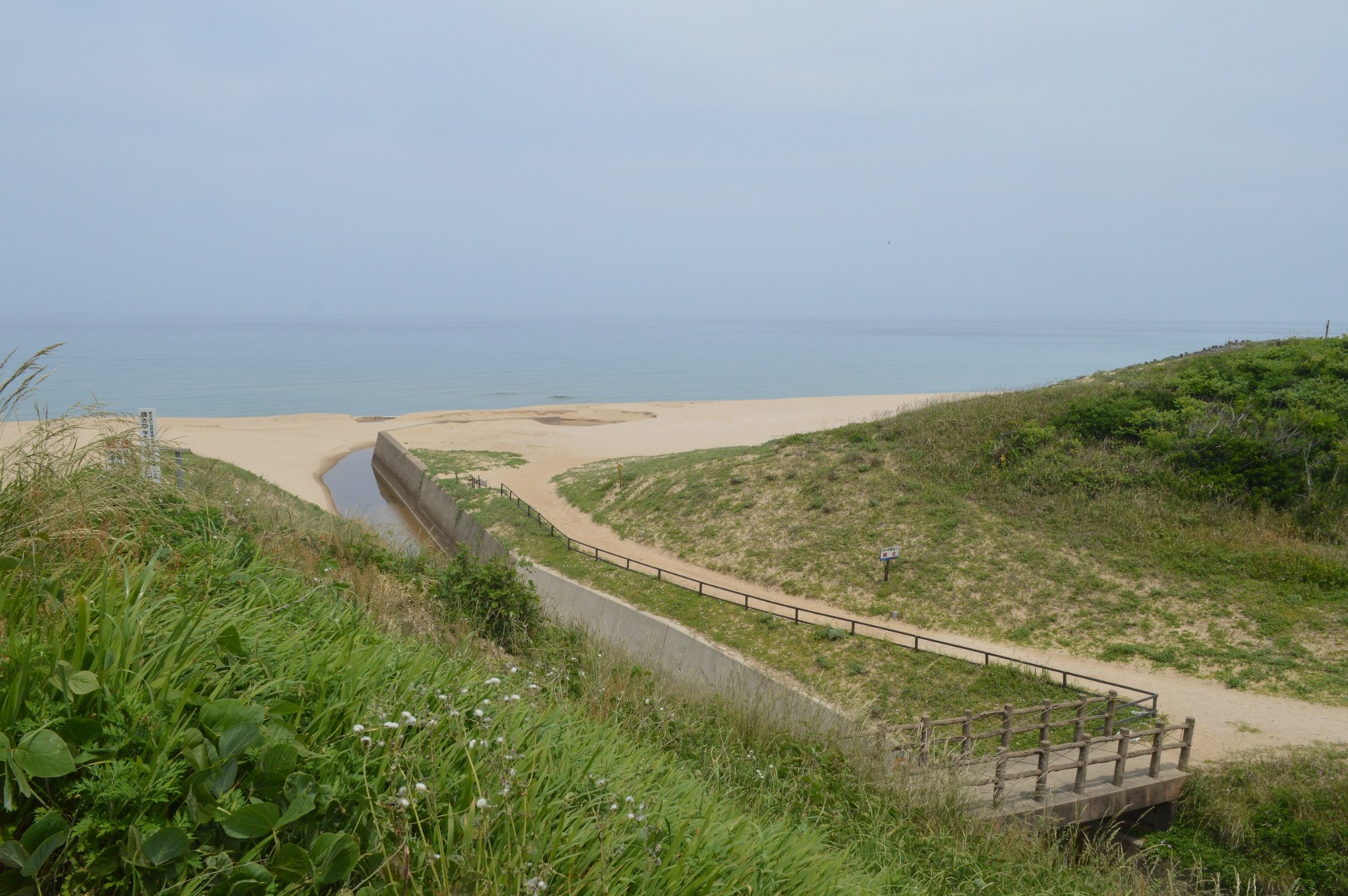
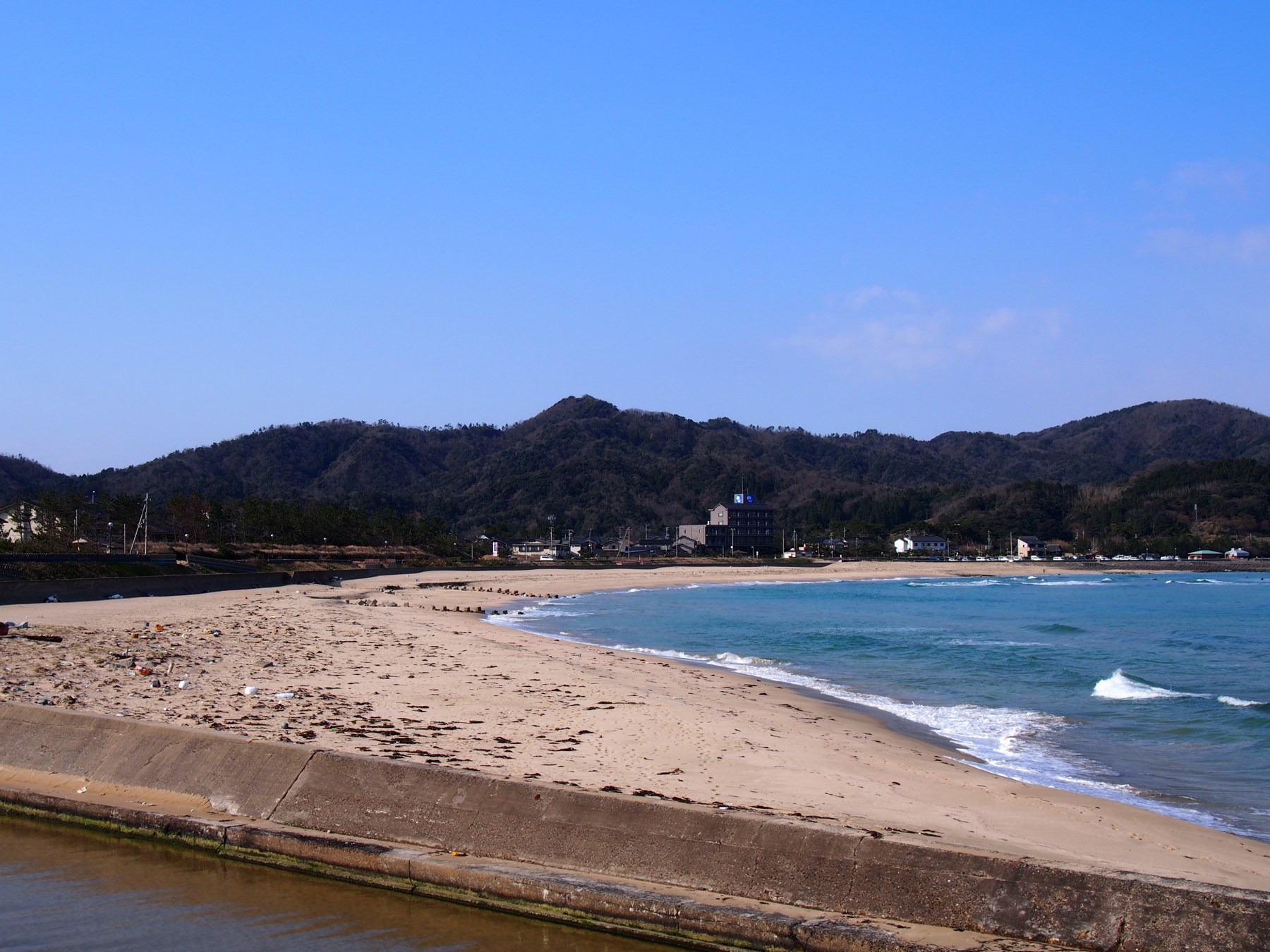
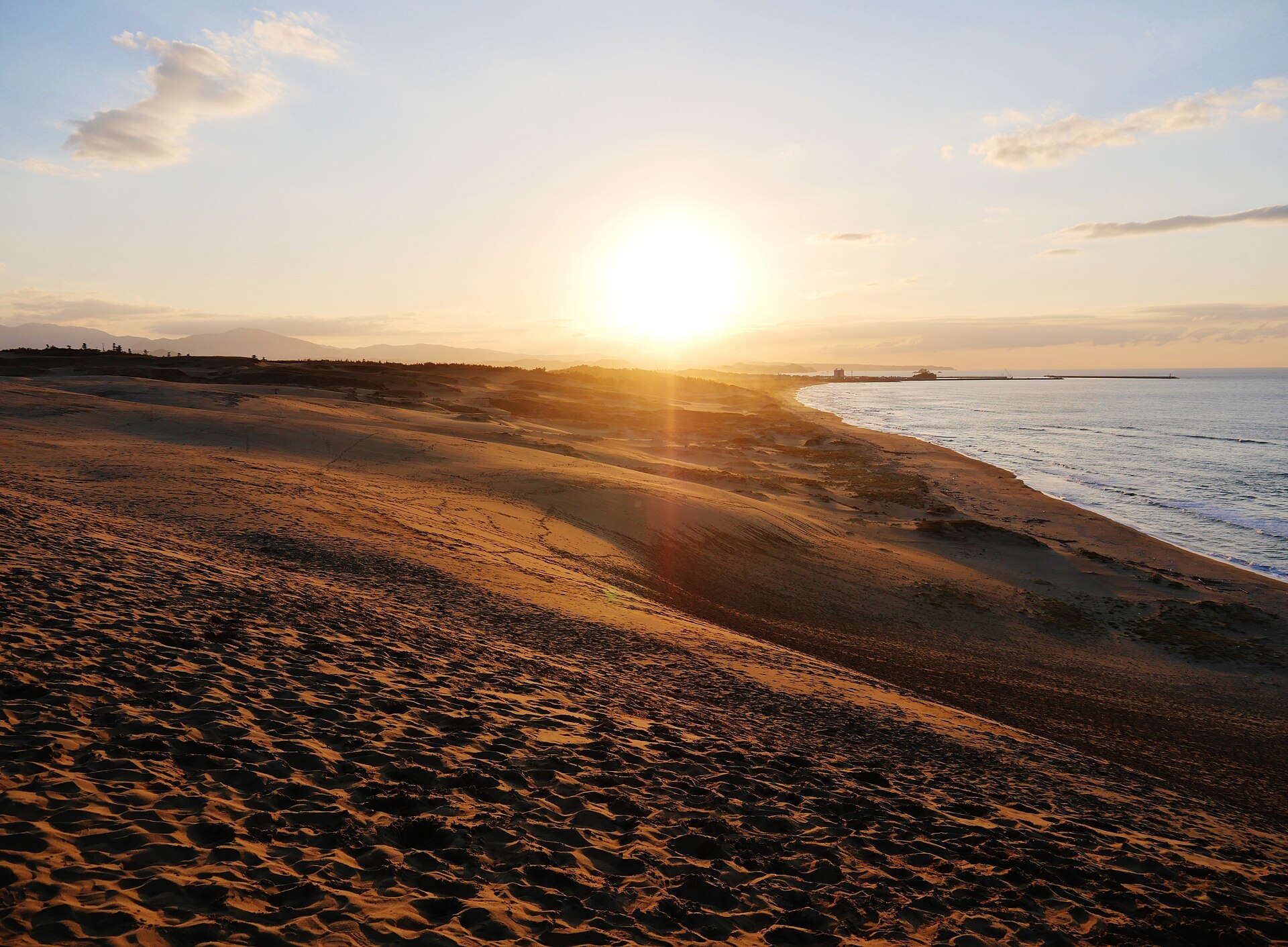
The western beaches
On a separate coastal drive, allow 45–60 minutes at Hatchohama, then around an hour at Kotohikihama. Add lunch at Tenki Tenki Tango if continuing north.
Take a closer look
Allow for the journey across the peninsula; leave this loop out of the main day above.
AT THE TABLE
Lunch with the bay nearby.
Local fish, handmade soba and a café pause at the water’s edge.
01 / LUNCH IN INE
FUNAYA KAJIYA
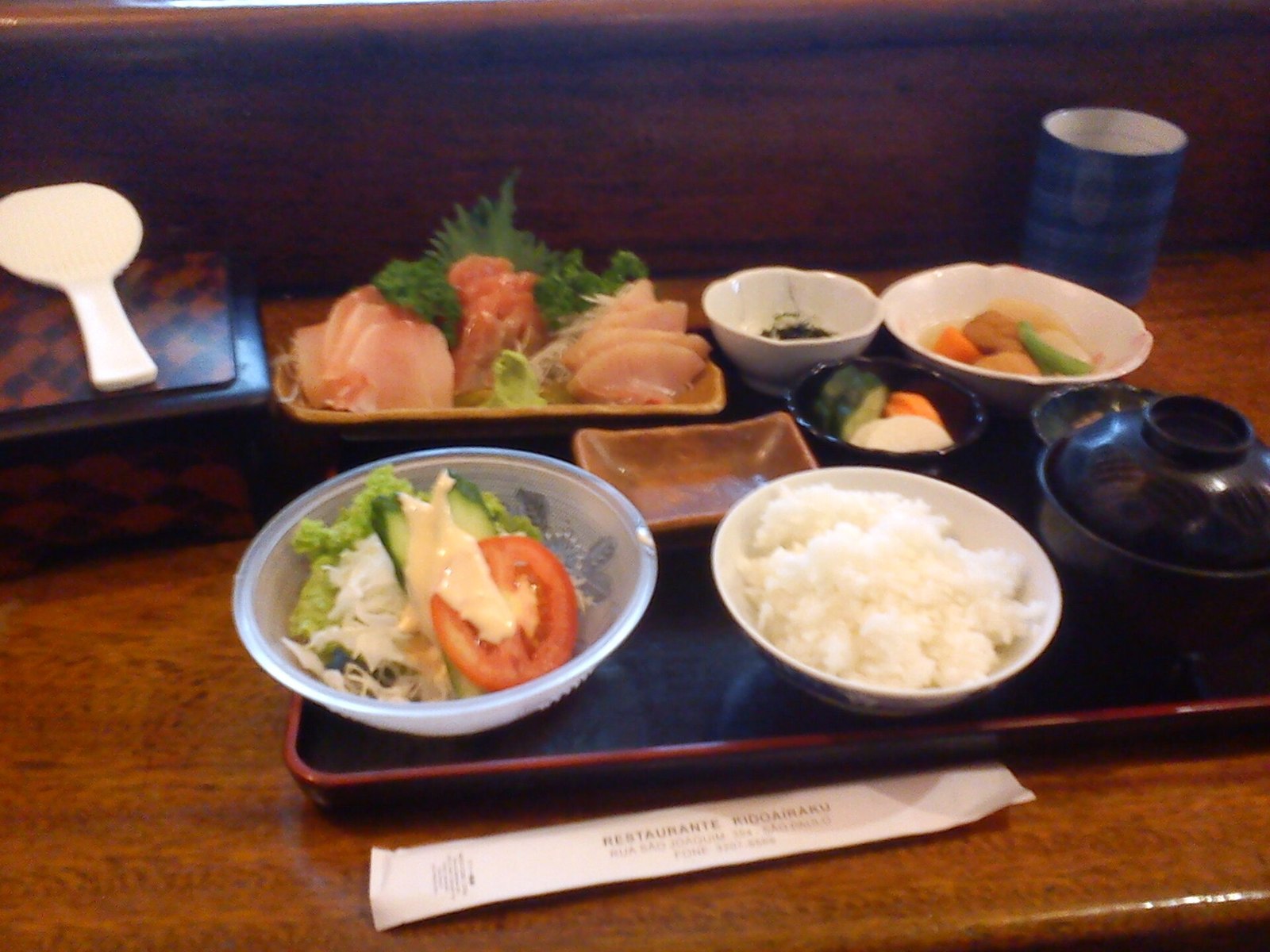
Sashimi or the Kajiya set with Japanese roast beef, rice and small dishes. Book ahead for lunch in Hirata.