Art among the trees, a volcanic valley and a lake beyond the ridge. Stay overnight to give the hot springs an evening of their own.
The story behind the place
Hakone is a place to give yourself a little room. Take the mountain train slowly, walk through a museum garden, then get back to your inn in time for a bath before dinner. The lake and the possibility of a clear view of Mount Fuji draw people here; the pleasure is in spending a night among the mountains.
For centuries, travellers crossed this pass on the Tōkaidō, the road connecting Edo and Kyoto. The Tokugawa government inspected people moving through its checkpoint beside Lake Ashi, while teahouses offered a pause on the climb. That history sits alongside a landscape shaped by volcanic activity: steaming slopes at Ōwakudani, wooded crater walls and the hot springs around which Hakone’s villages grew.
Hakone is spread across several settlements rather than gathered around one walkable centre. Yumoto is the gateway, Gora sits higher on the mountain railway, and Lake Ashi lies beyond the ropeway. I would stay two days, using the first for art and hot springs and the second for the lake and old road. Sengokuhara makes a good alternative for a longer stay, especially in autumn.
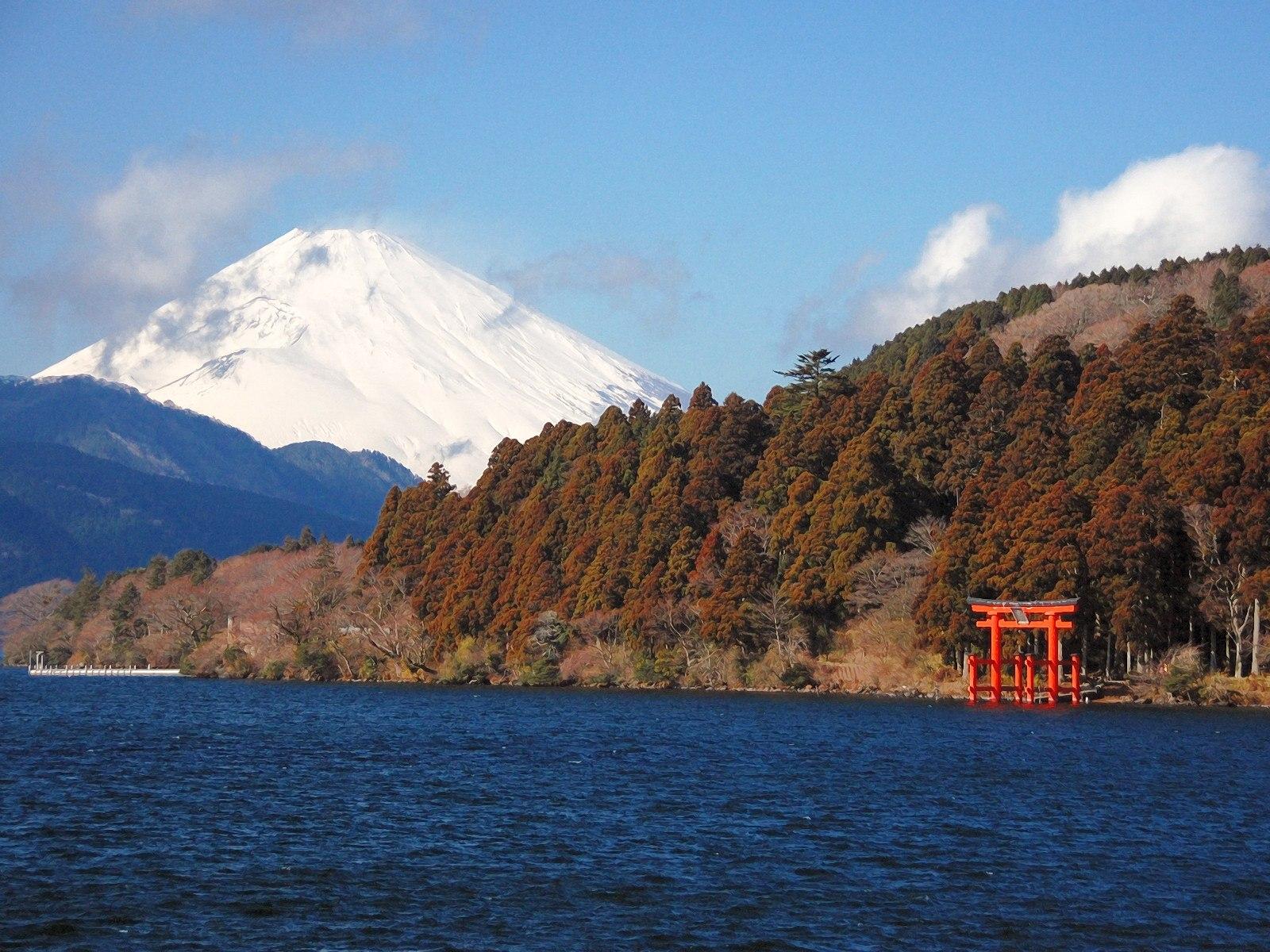
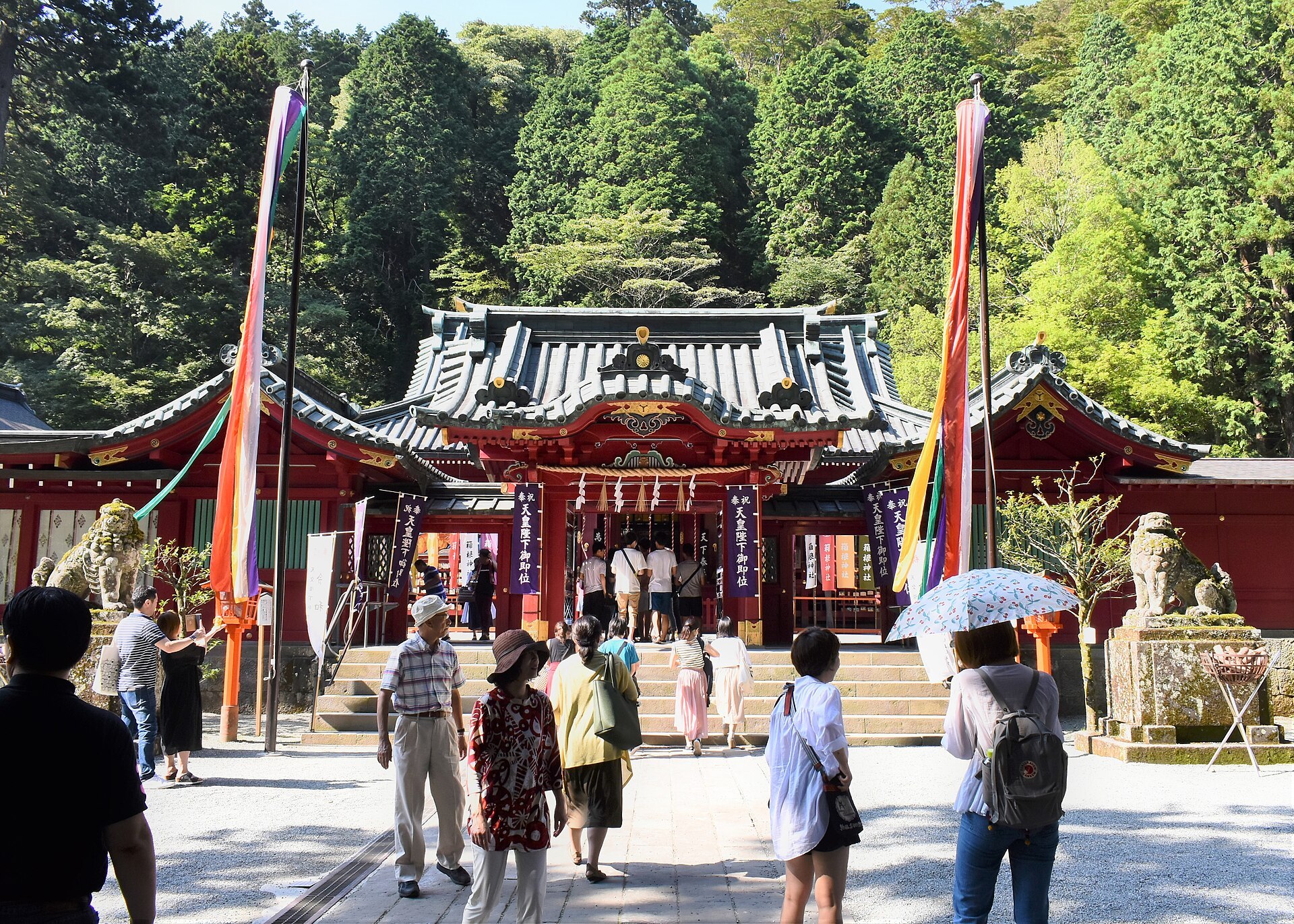
Walk from Moto-Hakone into the shrine’s cedar-shaded grounds, then return to the lakeshore.
A closer look
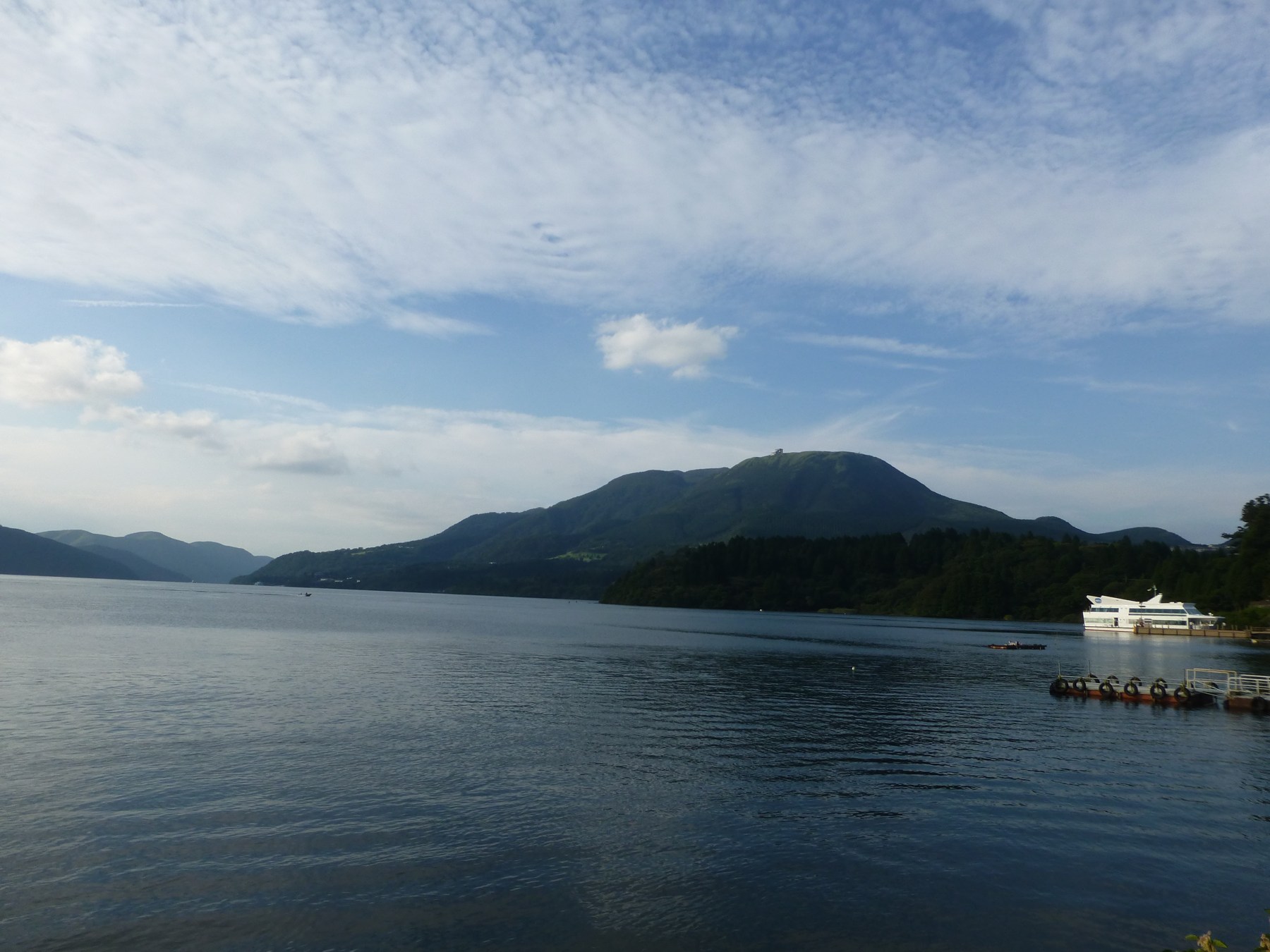
The shrine’s history reaches back to the eighth century; the red torii standing in the water is a much later addition, erected in 1952. A boat crossing opens up the scale of the surrounding mountains. Mount Fuji appears beyond the lake when the weather allows, so leave room to enjoy the water and forest whatever the sky is doing.
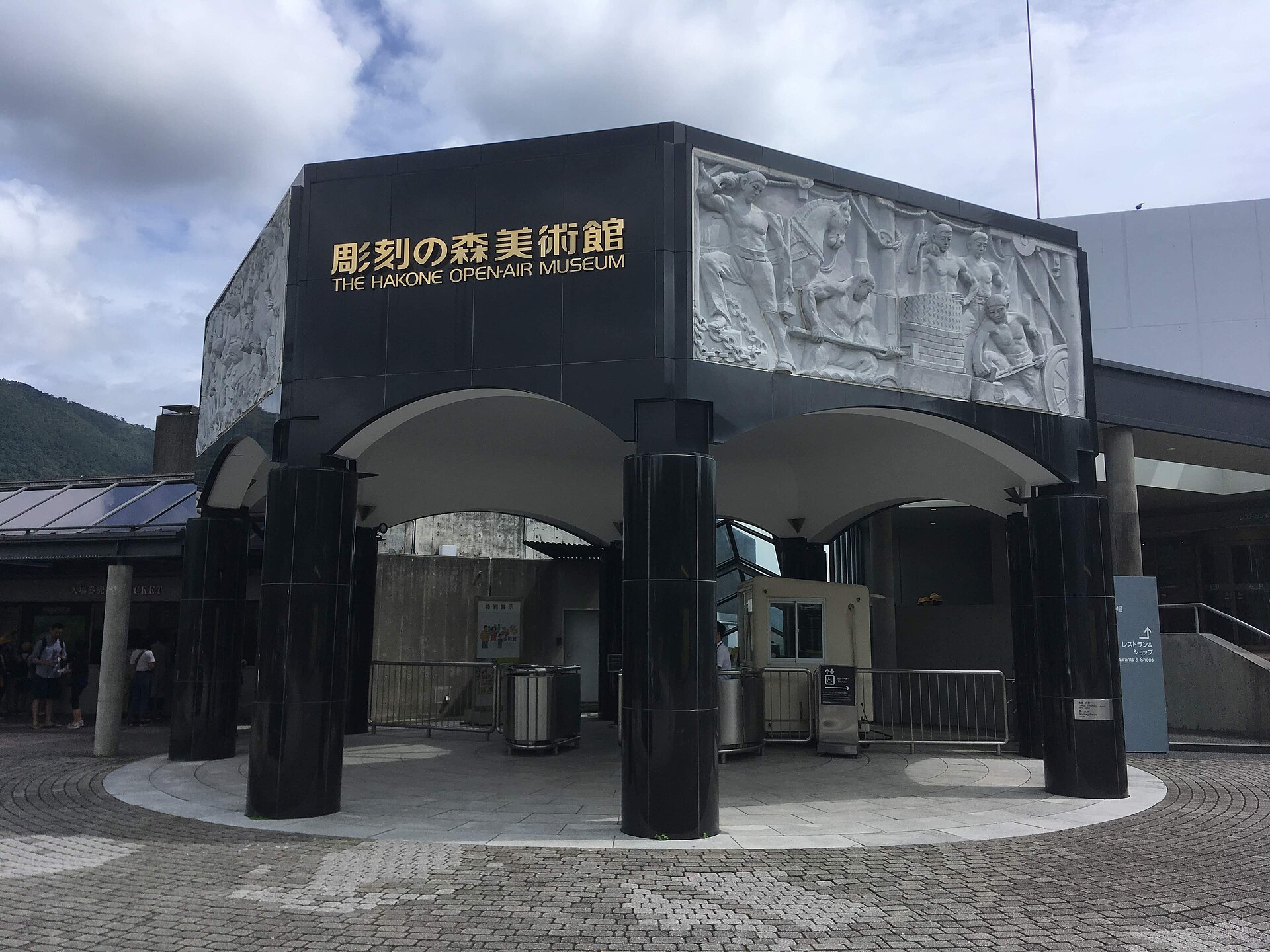
Give the museum a couple of hours to wander between sculpture, lawns and the mountain backdrop. Opened in 1969, it brings art into a landscape that changes with the seasons.
A closer look
Indoor galleries add another pace to the visit. The entrance is close to Chōkoku-no-Mori station, making this an easy afternoon stop on the railway up towards Gora.
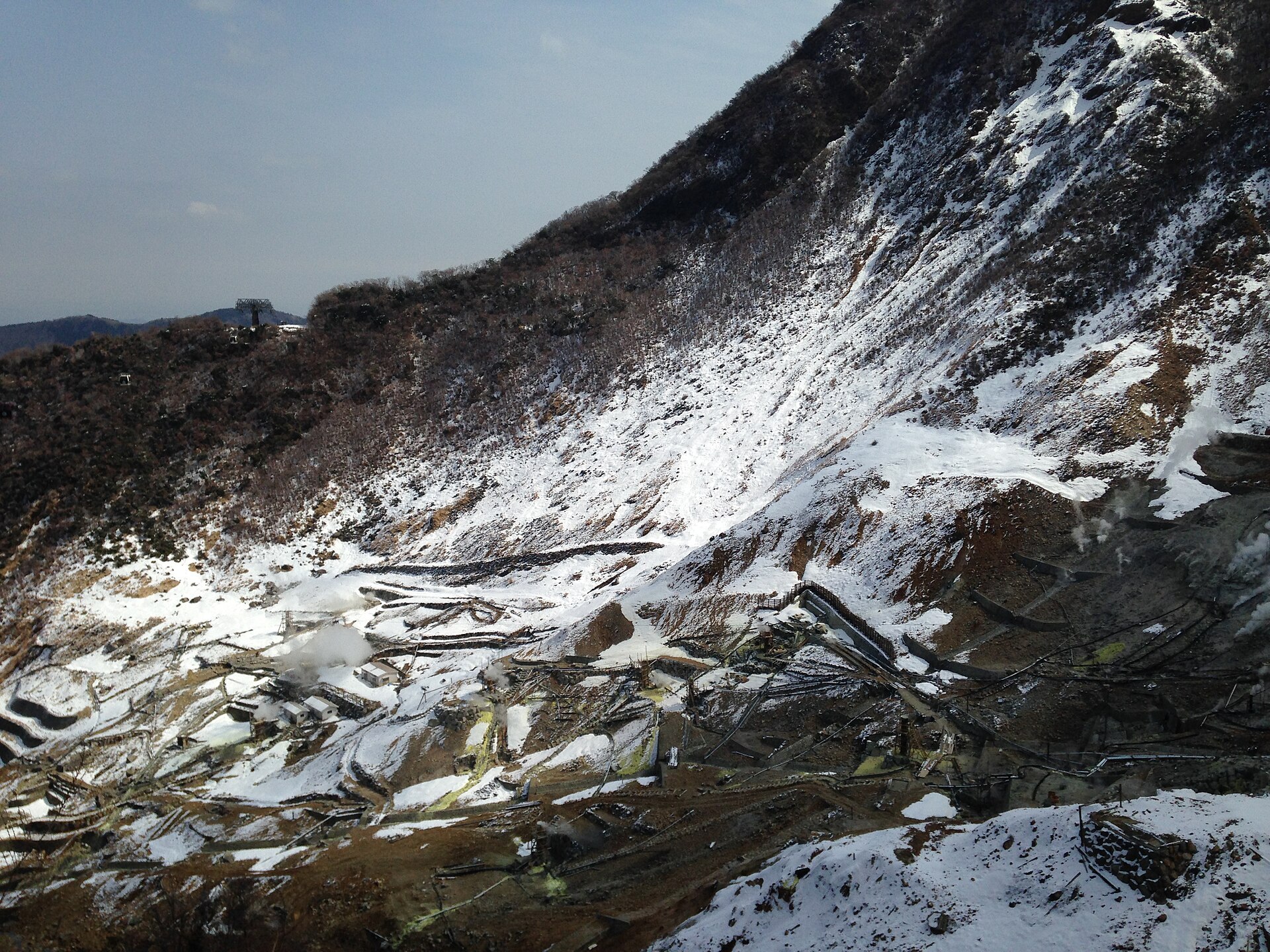
Steam rises from the pale volcanic slopes beneath the ropeway as it crosses towards Ōwakudani.
A closer look
Pause at the observation area to see the active landscape and try a black-shelled egg cooked using geothermal heat. From here, continue towards Togendai on Lake Ashi. Wind and volcanic conditions can interrupt the ropeway, so the operator’s live transport information is useful when choosing the day’s route.
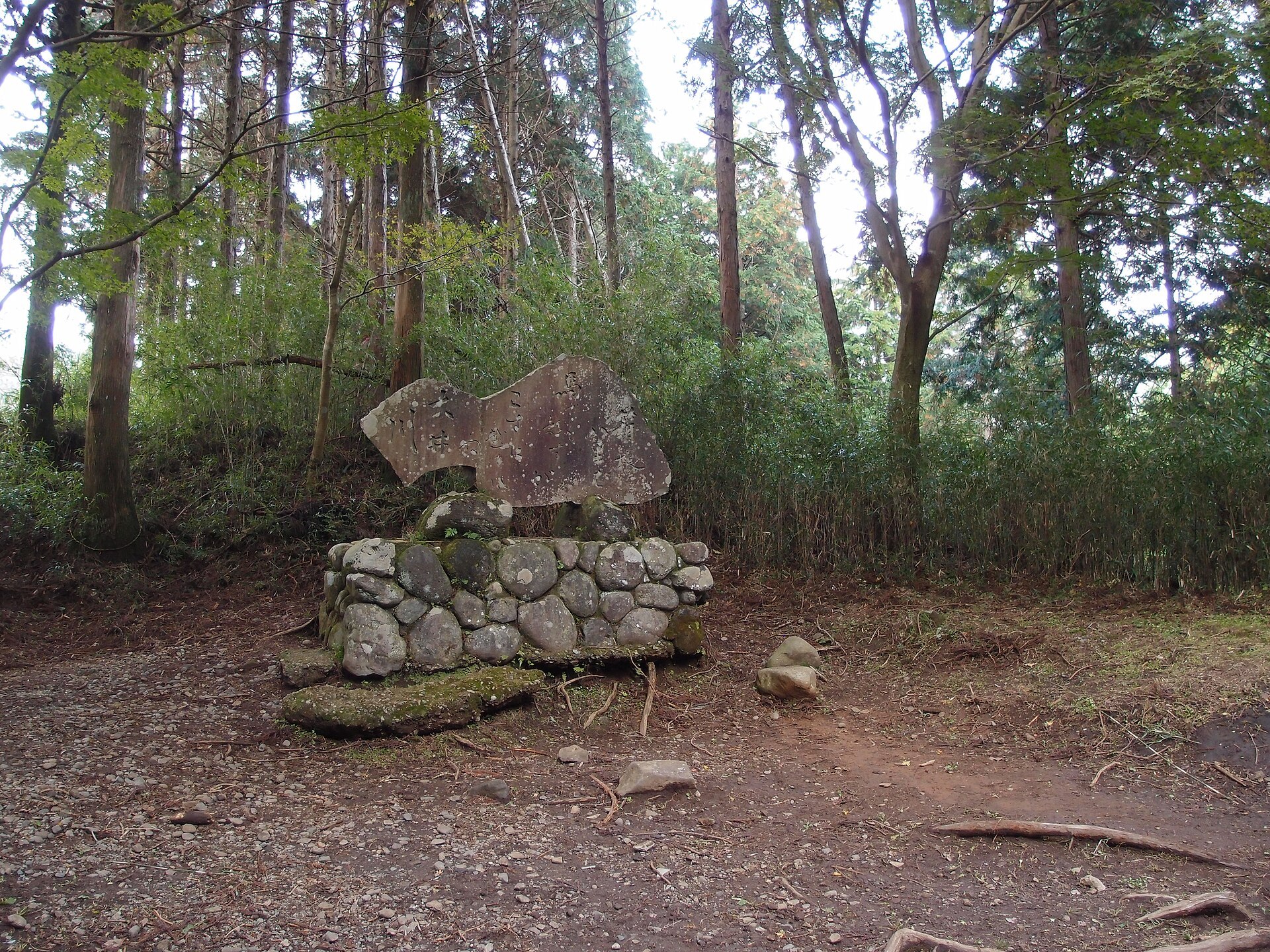
The cedar avenue between Moto-Hakone and Hakone-machi gives a short introduction to the road that carried travellers between Edo and Kyoto.
A closer look
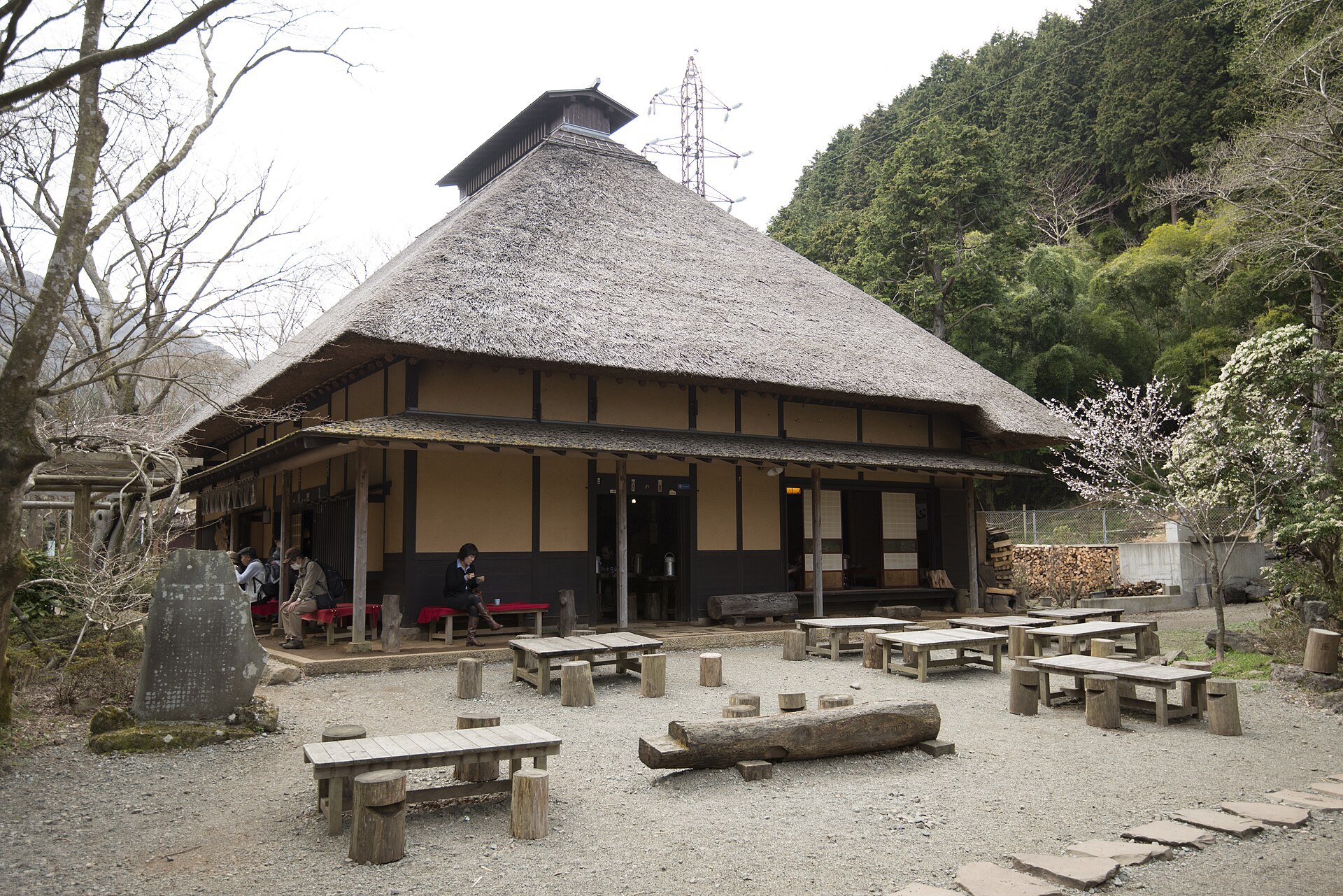
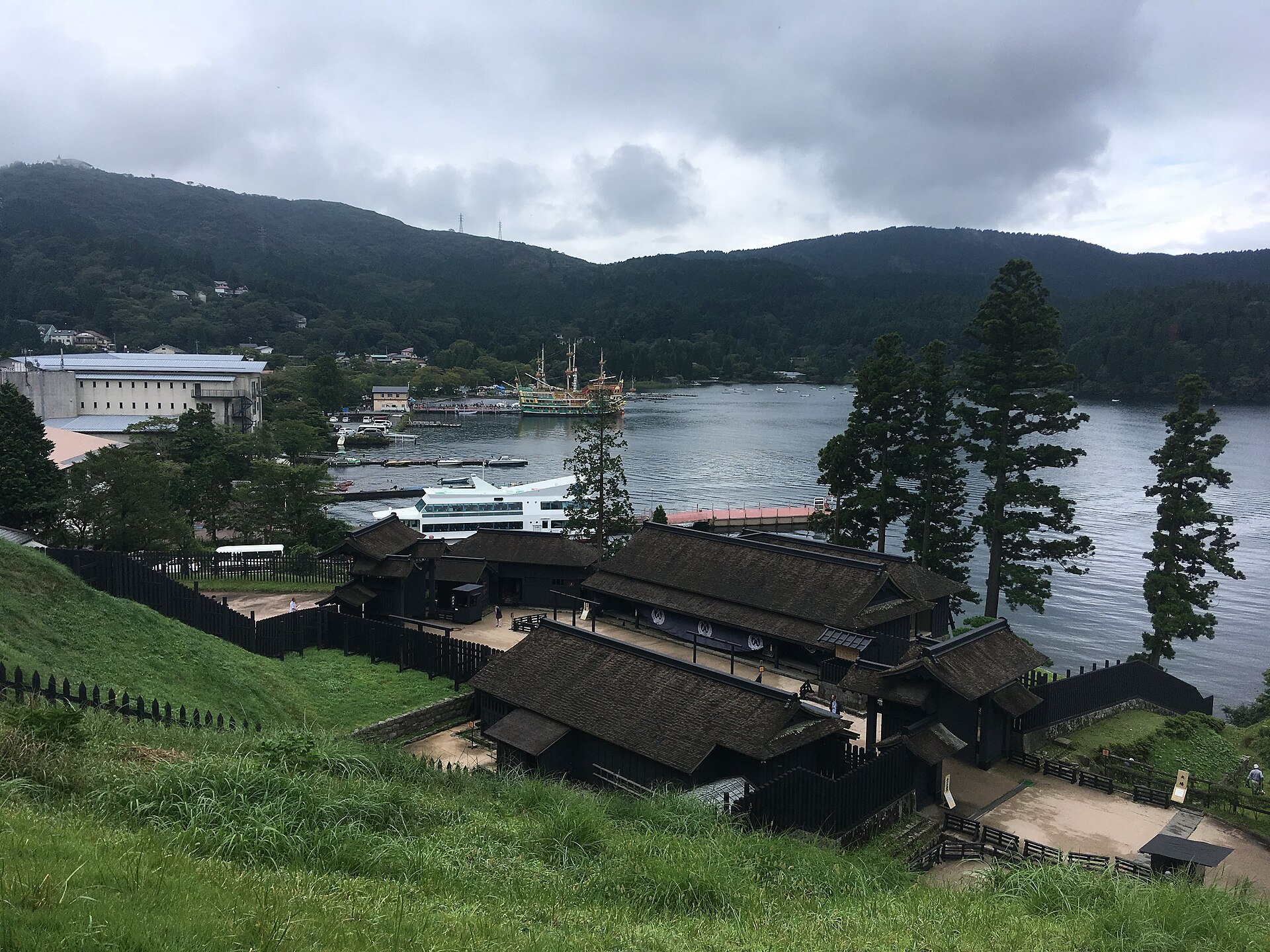
At the reconstructed checkpoint, buildings and exhibits explain how the shogunate monitored movement through this mountain pass. For a longer walk, explore a section of the old stone-paved road towards Hatajuku, with Amasake Chaya as a welcome tea stop. The uneven paving makes this a proper walk in sturdy shoes.
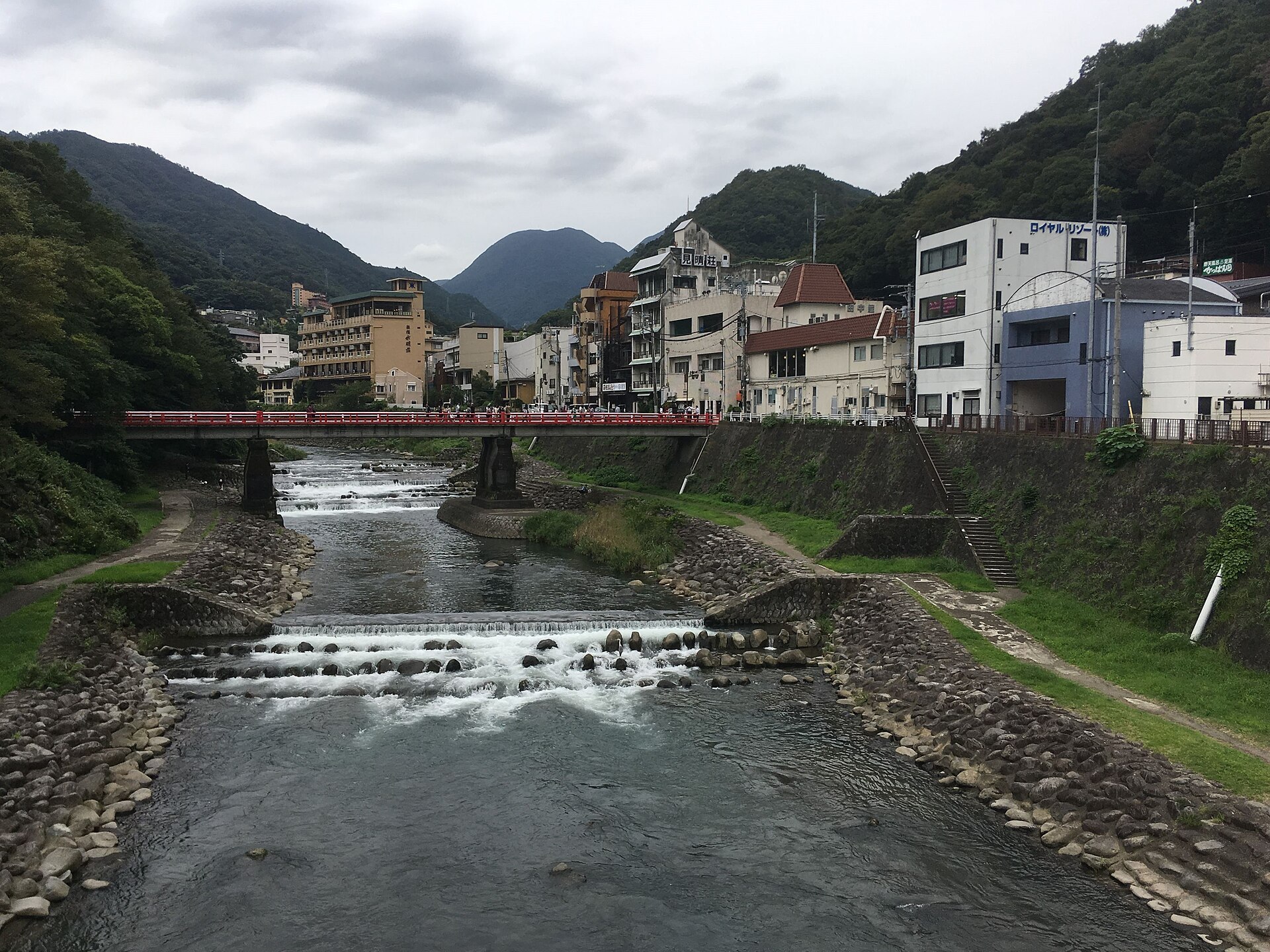
The river running through Yumoto makes a gentle first walk after stepping off the train. Browse the small shops, eat soba, then leave time for the hot springs.
A closer look
A ryokan stay builds bathing into the evening; for a day-use option, Hakone Yuryo has shared baths and reservable private open-air baths in a wooded setting, reached by a short shuttle from the station.
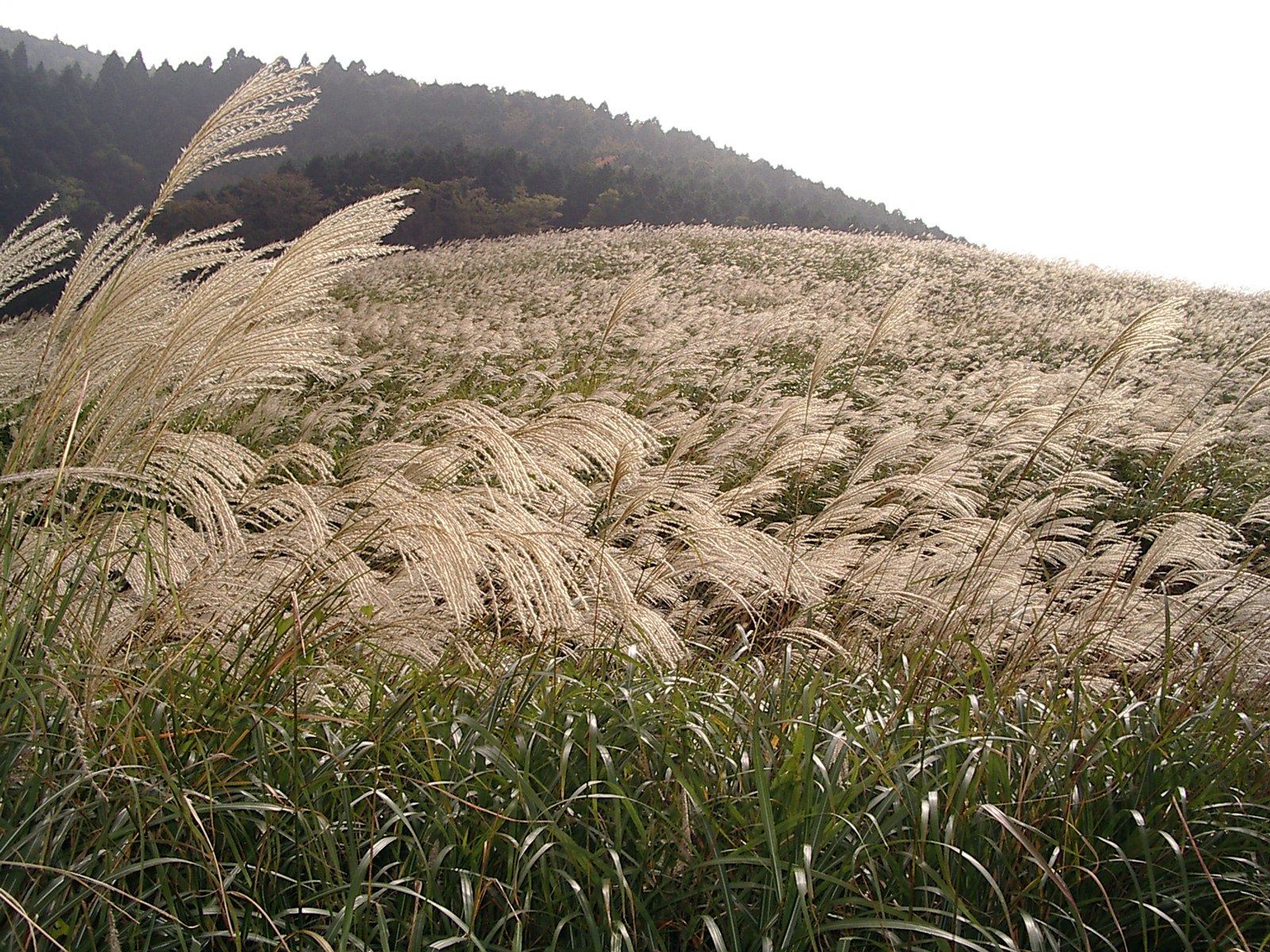
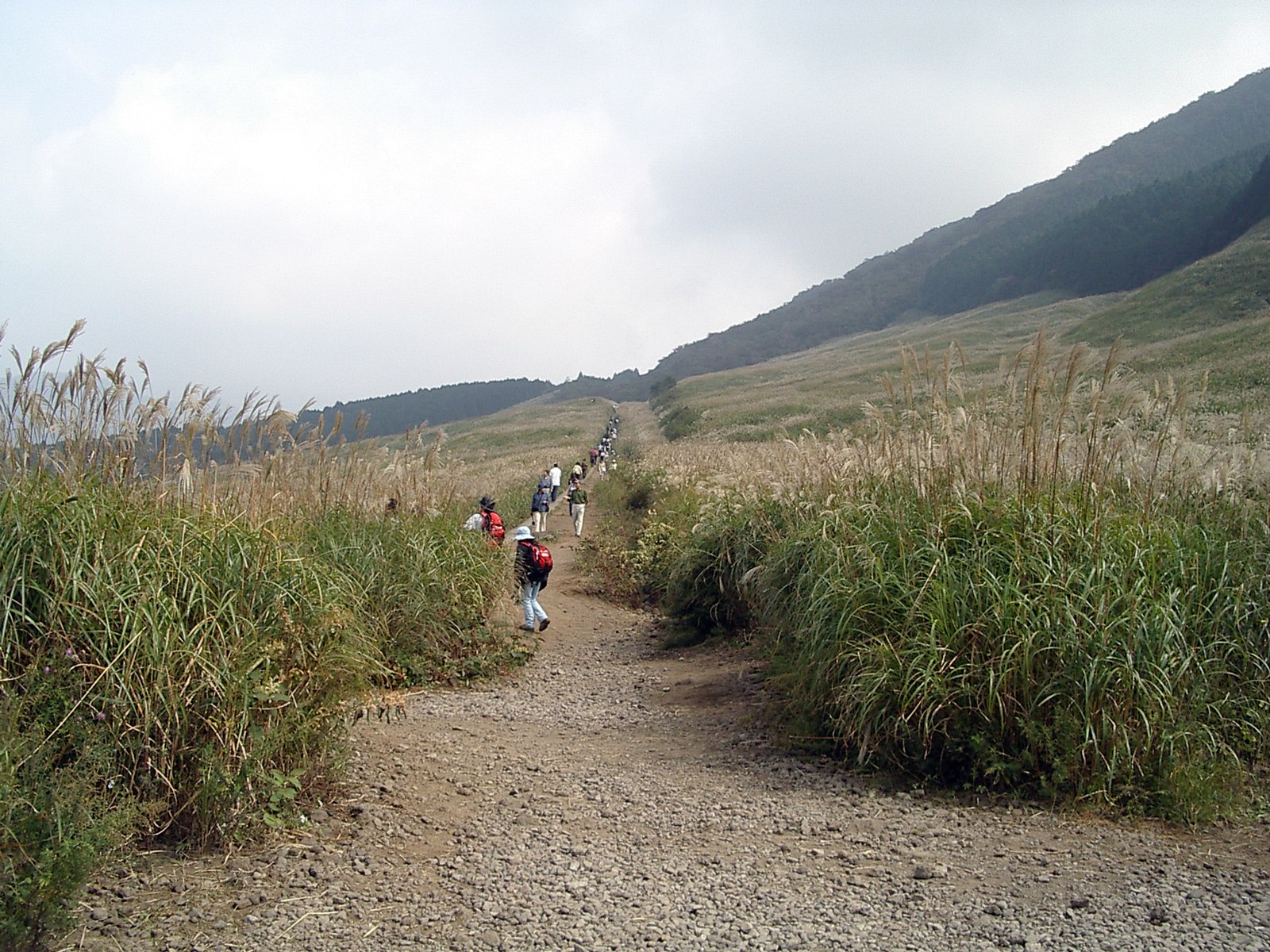
A path climbs through tall susuki grass on the open hillside at Sengokuhara.
A closer look
Summer brings green growth, followed by pale plumes that catch the autumn light and ripple in the wind. This is a lovely place to slow the itinerary down and spend some time outside. It sits away from the main Gora–lake circuit, so use it as an alternative afternoon or add another night to explore this side of Hakone.
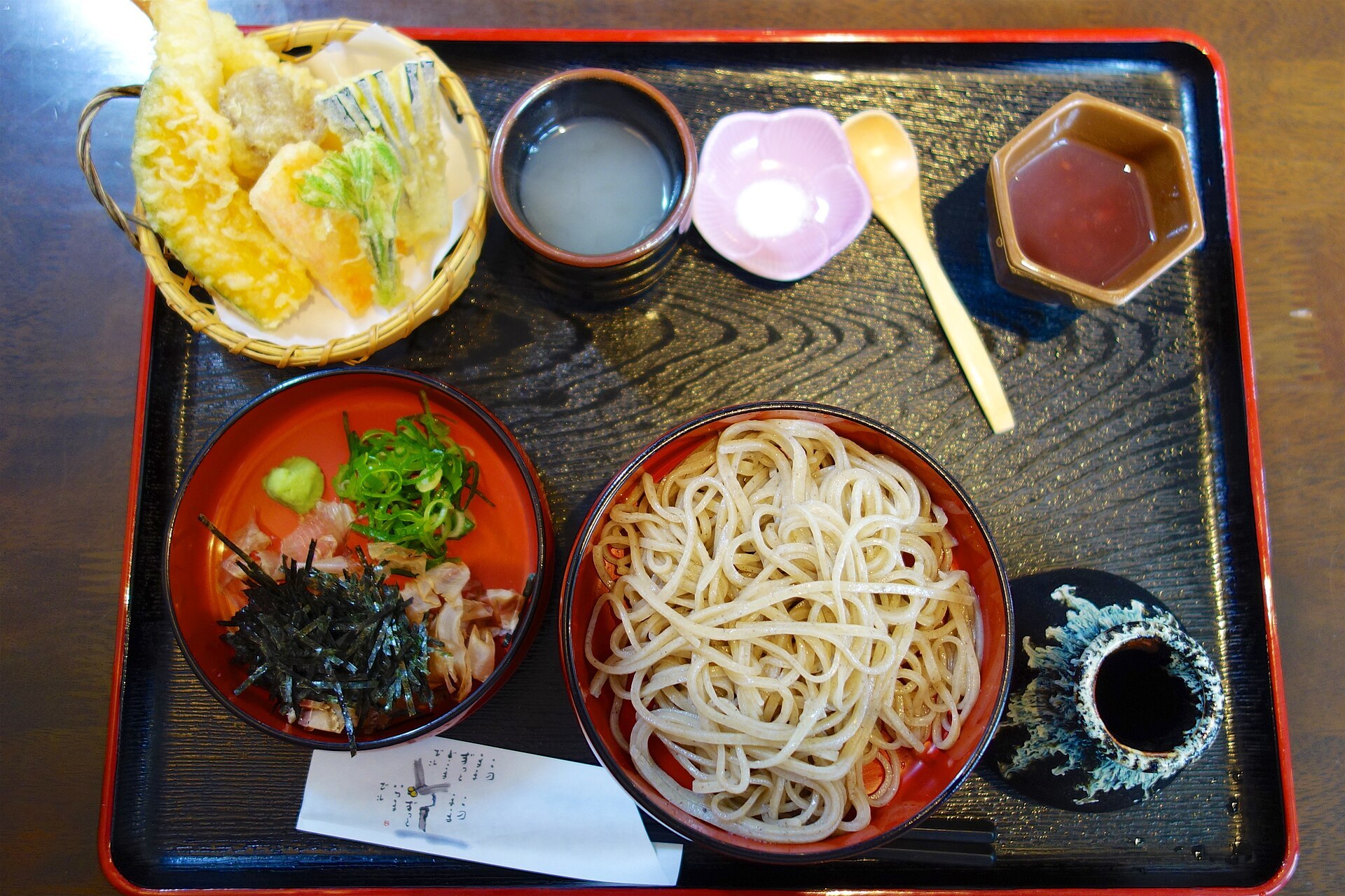
Soba is a fitting first meal after arriving in Yumoto. Higher up, Gora has its own much-loved tofu cutlet, and Miyanoshita’s bakery offers a bread bowl filled with warming stew. Along the old Tōkaidō, amazake and grilled mochi still make sense as a traveller’s rest.
These four stops work at different points along the route. Leave an evening free for dinner at your accommodation if you are staying at a ryokan with meals included.
THROUGH THE YEAR
Choose your moment.
June–July
The hydrangea railway
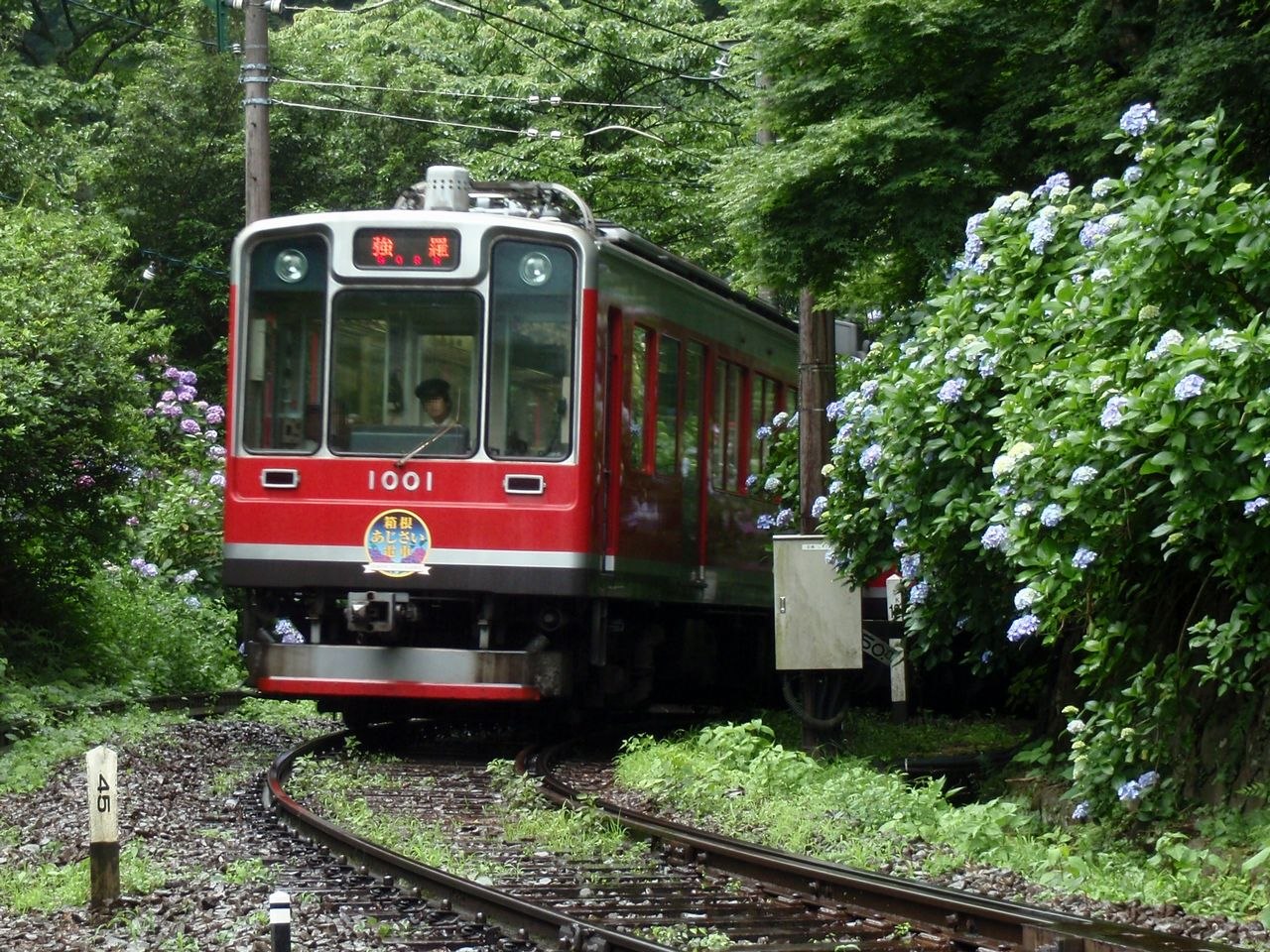
Hydrangeas flower beside the mountain railway as the season moves uphill from Yumoto towards Gora.
A closer look
Make the train journey part of the day, looking out for clusters of blue and purple close to the windows. The flowering period varies with elevation, giving different stretches their moment.
A series of lakeside festivals connects shrine rituals, processions and fireworks from 31 July to 5 August.
A closer look
Celebrations move between different parts of Lake Ashi, with the torii-burning ceremony at Hakone Bay marking the final evening. Staying near the lake lets you enjoy the evening without fitting it around the last journey back to Tokyo.
Sengokuhara’s grasslands turn silvery and gold through autumn, while the wooded slopes and gardens take on colour later in the season.
A closer look
Combine a hillside walk with a warm lunch, or ride the railway through the changing trees. Higher ground and the lower valleys reach their best colour at different times.
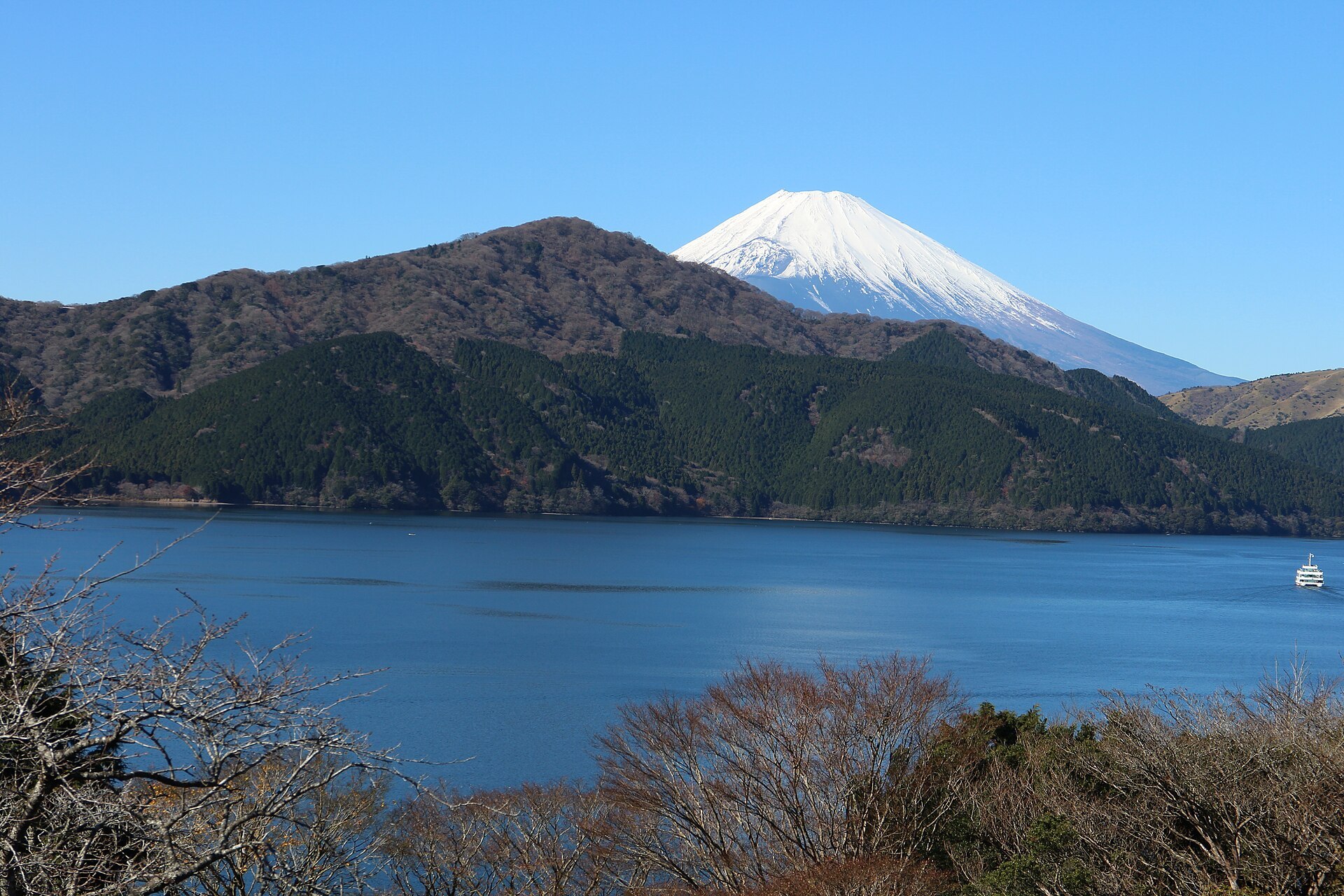
Cold, clear days can bring particularly rewarding views of snow-capped Fuji from Lake Ashi.
A closer look
Keep the outdoor part of the day simple: a lakeside walk or boat crossing, a warm meal and an afternoon bath. Snow and ice sometimes reach Hakone itself, adding another reason to leave flexibility in a mountain itinerary.
Arrive in Yumoto and take a short walk beside the river. Have soba at Hatsuhana before heading uphill.
12:30 / Ride the mountain railway towards Gora.
See the full day
11:00
Arrive in Yumoto and take a short walk beside the river. Have soba at Hatsuhana before heading uphill.
12:30
Ride the mountain railway towards Gora. If Miyanoshita appeals, get off for a short wander and something from Watanabe Bakery; otherwise continue to Chōkoku-no-Mori.
14:00
Spend the afternoon at the Open-Air Museum, moving between the gardens and indoor galleries.
16:30
Continue to your accommodation around Gora. Leave the rest of the day for a bath, dinner and an unhurried evening. If your priority is the old road, swap the museum for a visit to Amasake Chaya and a short walk, then travel to your lodging by bus and train.
Day 2
Across the volcanic valley to Lake Ashi
Take the cable car from Gora to Sōunzan, then the ropeway to Ōwakudani. Spend time at the observation area before continuing down to Togendai.
See the full day
09:00
Take the cable car from Gora to Sōunzan, then the ropeway to Ōwakudani. Spend time at the observation area before continuing down to Togendai.
11:00
Cross Lake Ashi by sightseeing boat towards Moto-Hakone or Hakone-machi, choosing the sailing that suits your lakeside walk.
12:00
Have lunch by the lake, then explore Hakone Shrine and its cedar-shaded approach.
14:00
Follow the cedar avenue towards the reconstructed checkpoint if you still feel like walking. Alternatively, take the old-road bus towards Amasake Chaya for amazake and mochi. Choose one so the afternoon stays relaxed.
16:00
Return to Yumoto by bus for the journey onwards. With a third day, give Sengokuhara and another museum an afternoon of their own.