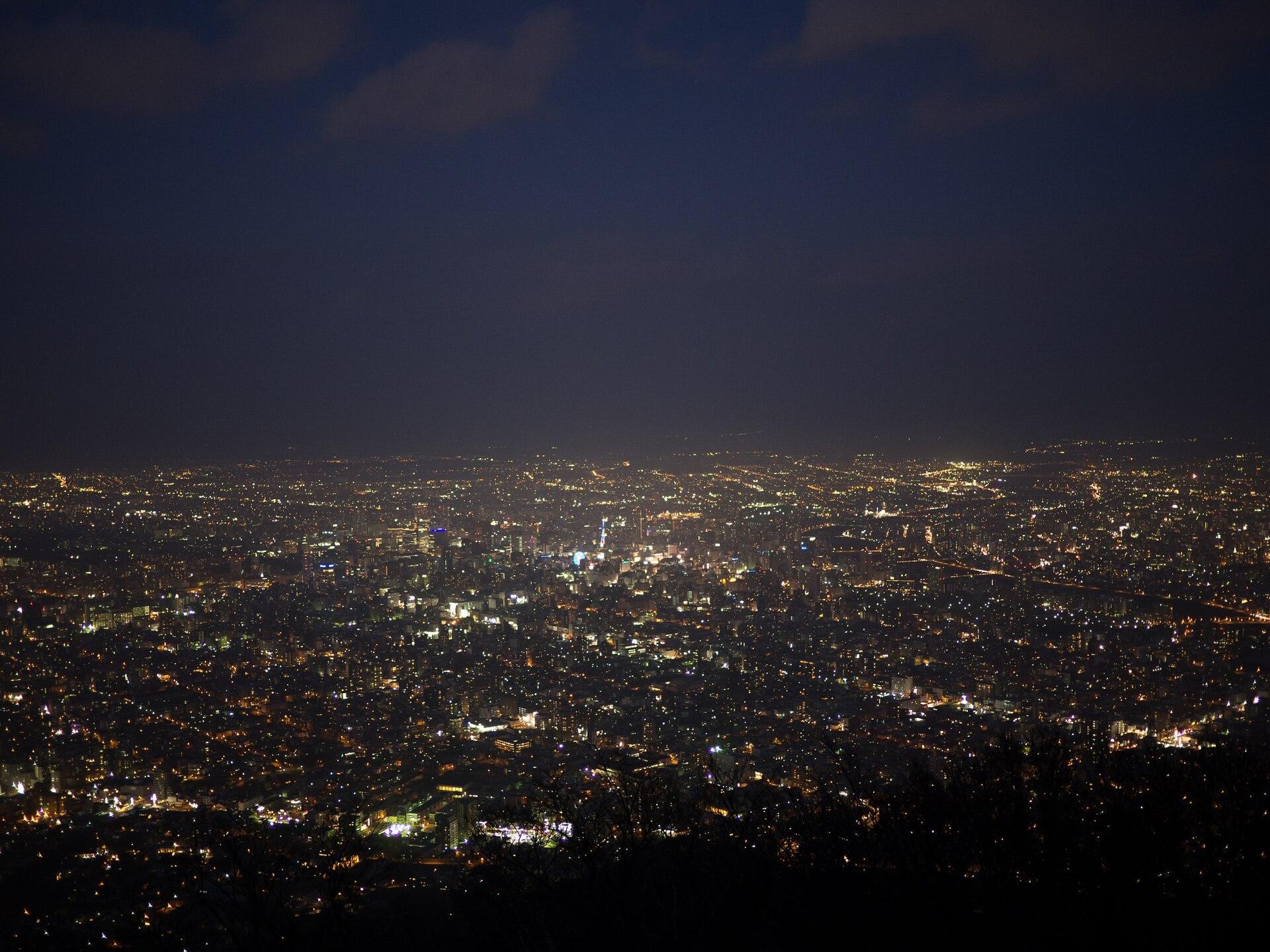
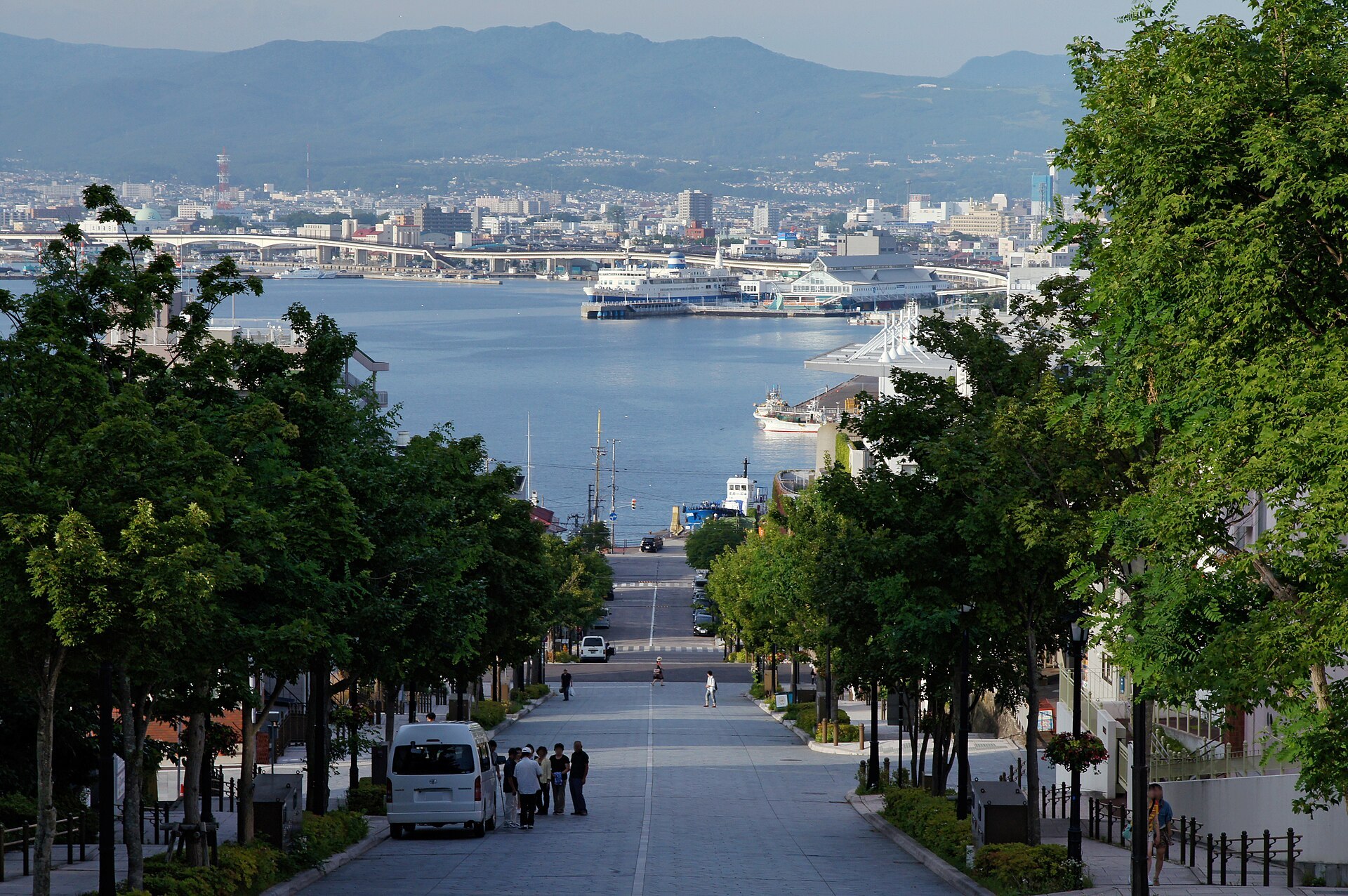
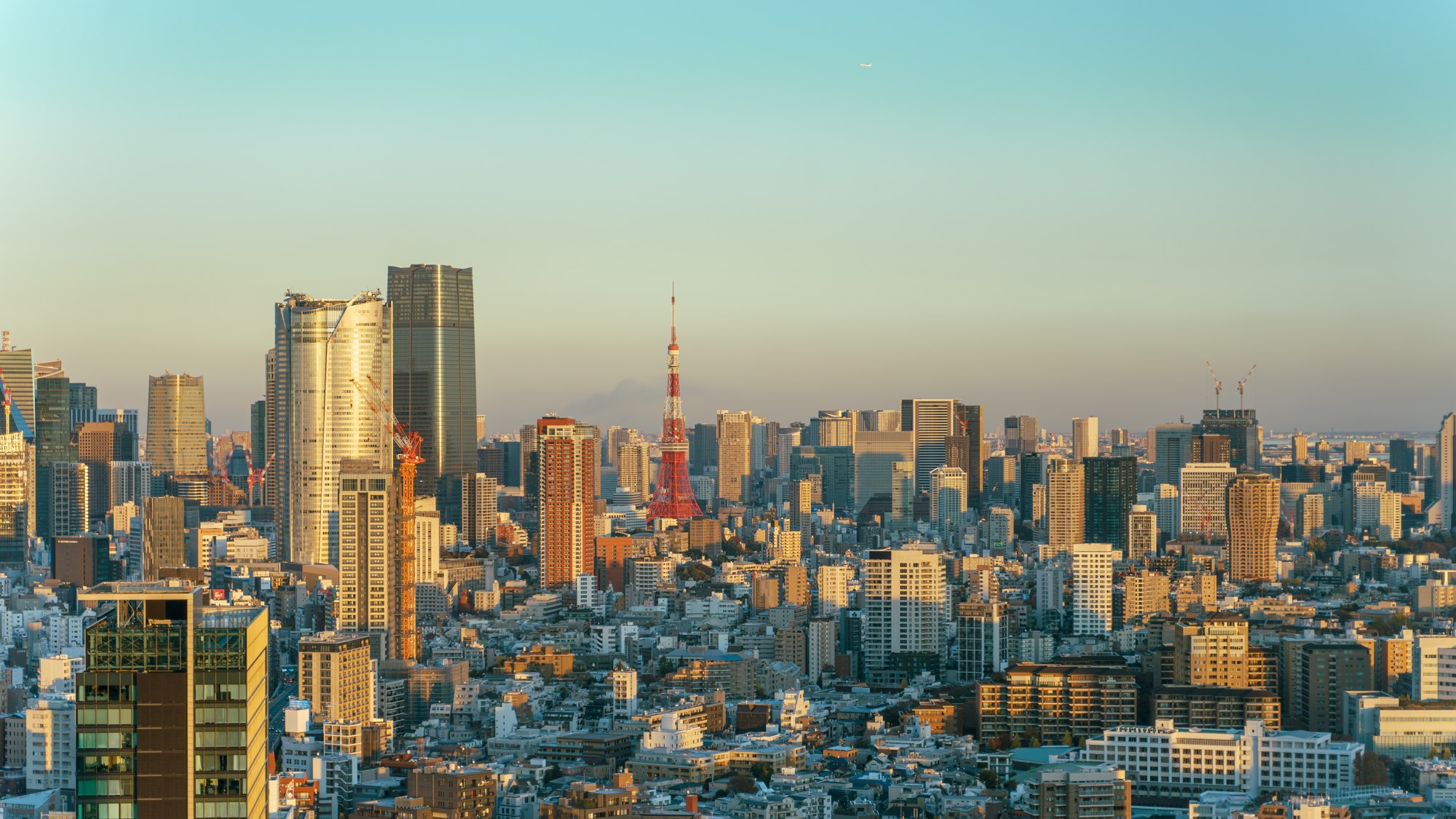
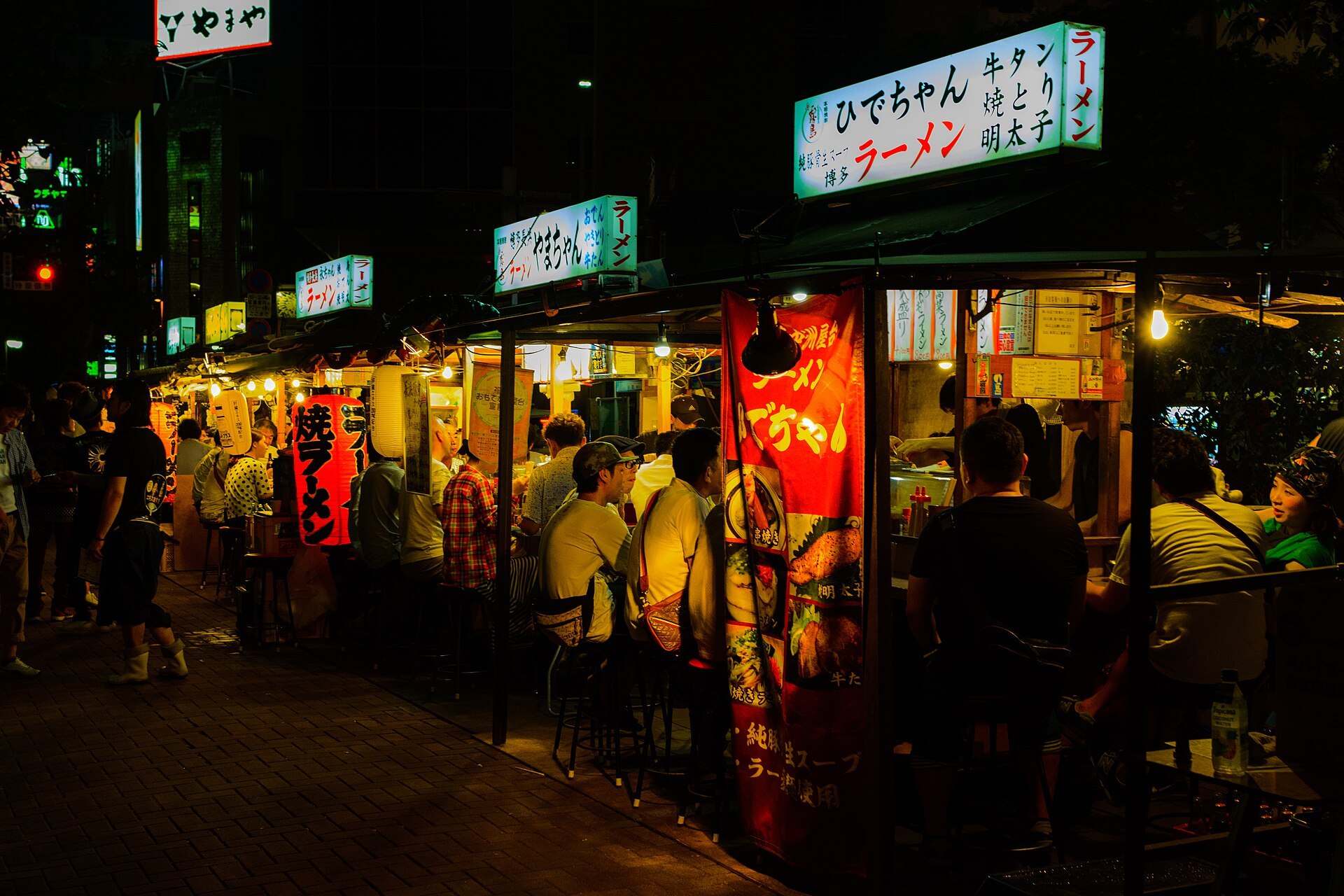
Begin with the park avenues, then follow your appetite through markets, soup curry and late bowls of ramen. Winter brings a city transformed by snow.
The story behind the place
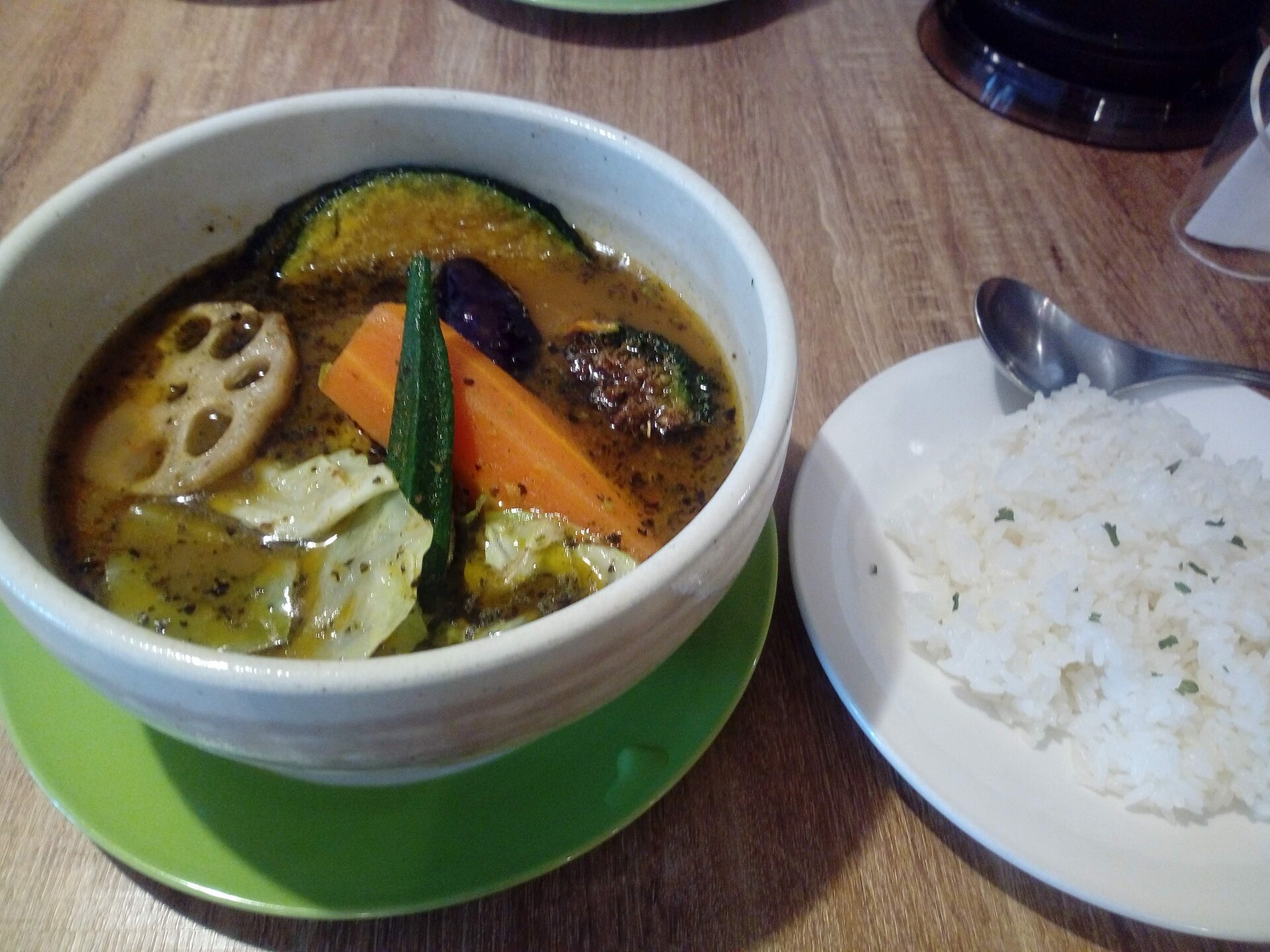
Come hungry. Hokkaido is famous across Japan for its food, particularly its exceptional fish and seafood, and Sapporo brings the island’s fishing ports, farms and dairies to one table. Build a stay around sushi, soup curry and a warm counter seat after a day outside.
The city feels different from the older capitals farther south: broad streets, a regular grid and mountains close to the skyline. Its modern growth accelerated with the Meiji government’s development of Hokkaido from 1869, on land with a much longer Ainu history. Shrine grounds and brick industrial buildings offer ways into that complicated past.
Allow two or three nights. Winter brings the Snow Festival and easy possibilities for a day in the snow; warmer months leave more room for parks, outdoor festivals and lingering over food.
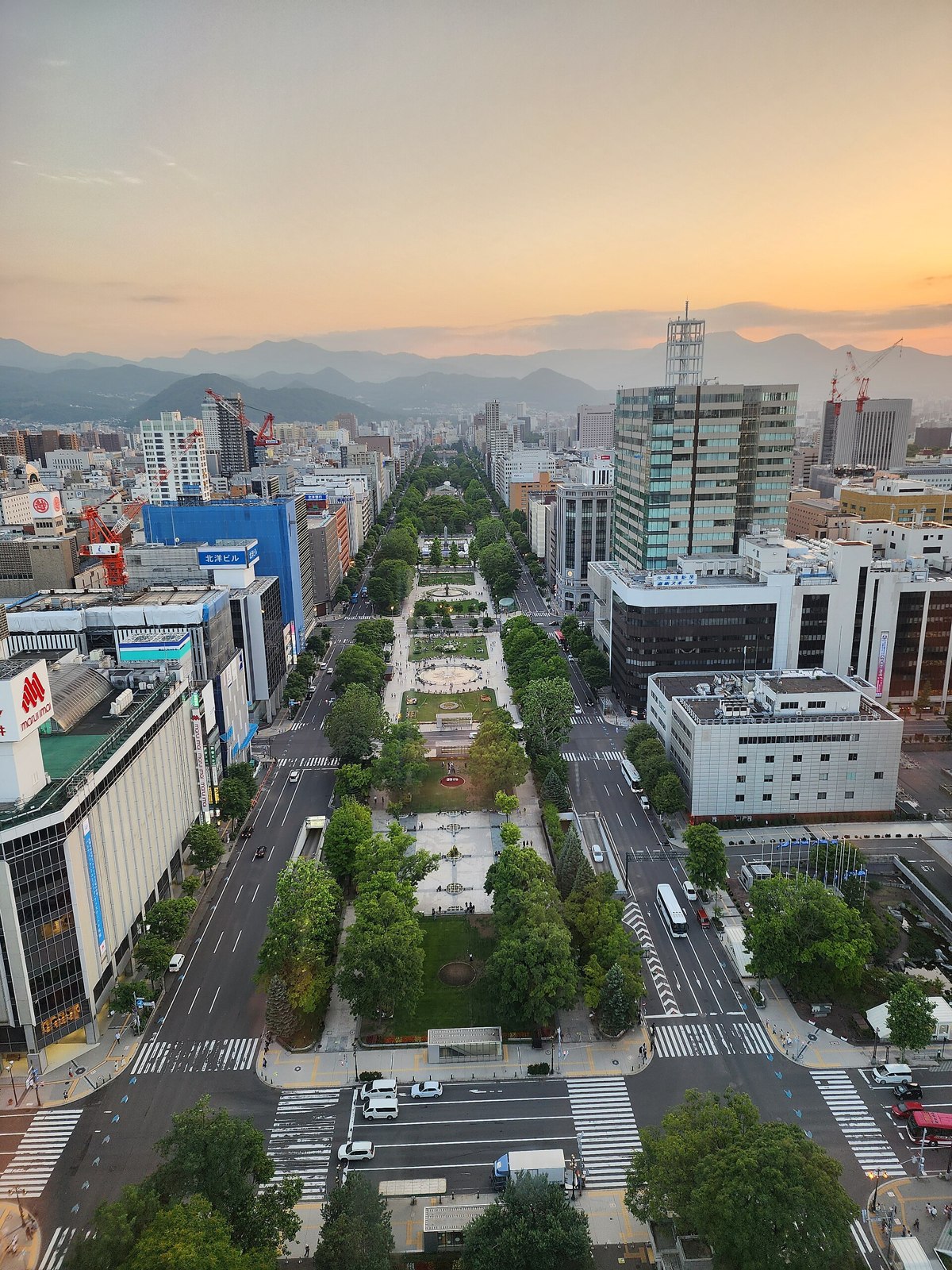
Follow Odori’s green spine through the heart of Sapporo, with the TV Tower marking its eastern end.
A closer look
The park began as a firebreak in the nineteenth-century city plan and now holds many of Sapporo’s biggest gatherings. Walk a few blocks, pause on a bench in summer, or explore the snow sculptures in February. The nearby Clock Tower adds another glimpse of the early modern city.
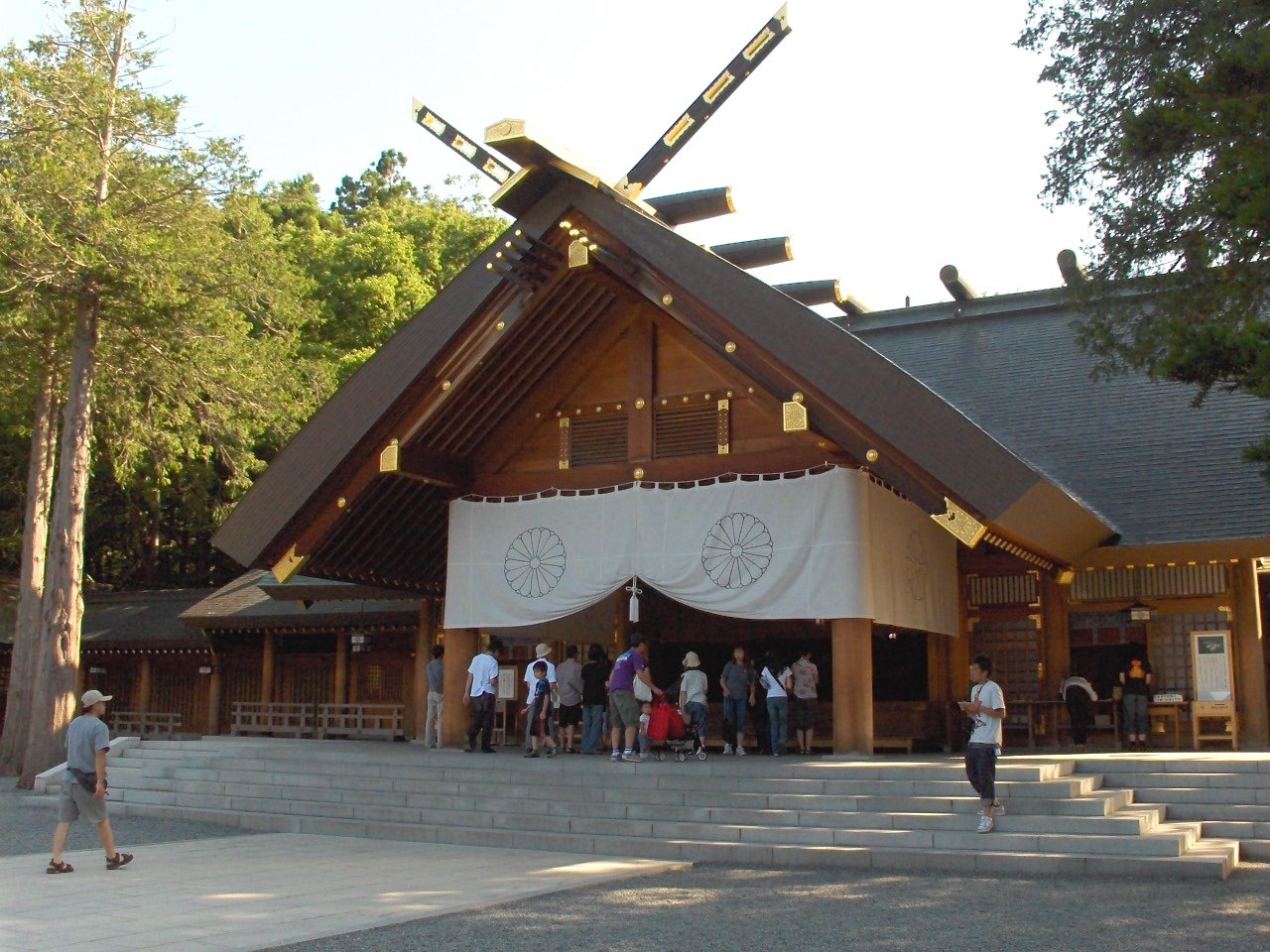
Head west for wooded paths around Maruyama Park and Hokkaido Shrine. The shrine’s origins in 1869 connect it to the Meiji state’s expansion into Hokkaido.
A closer look
Today, its approach is a peaceful place to walk beneath tall trees, with cherry blossoms usually arriving around late April or early May. Allow an hour or two for the grounds and park.
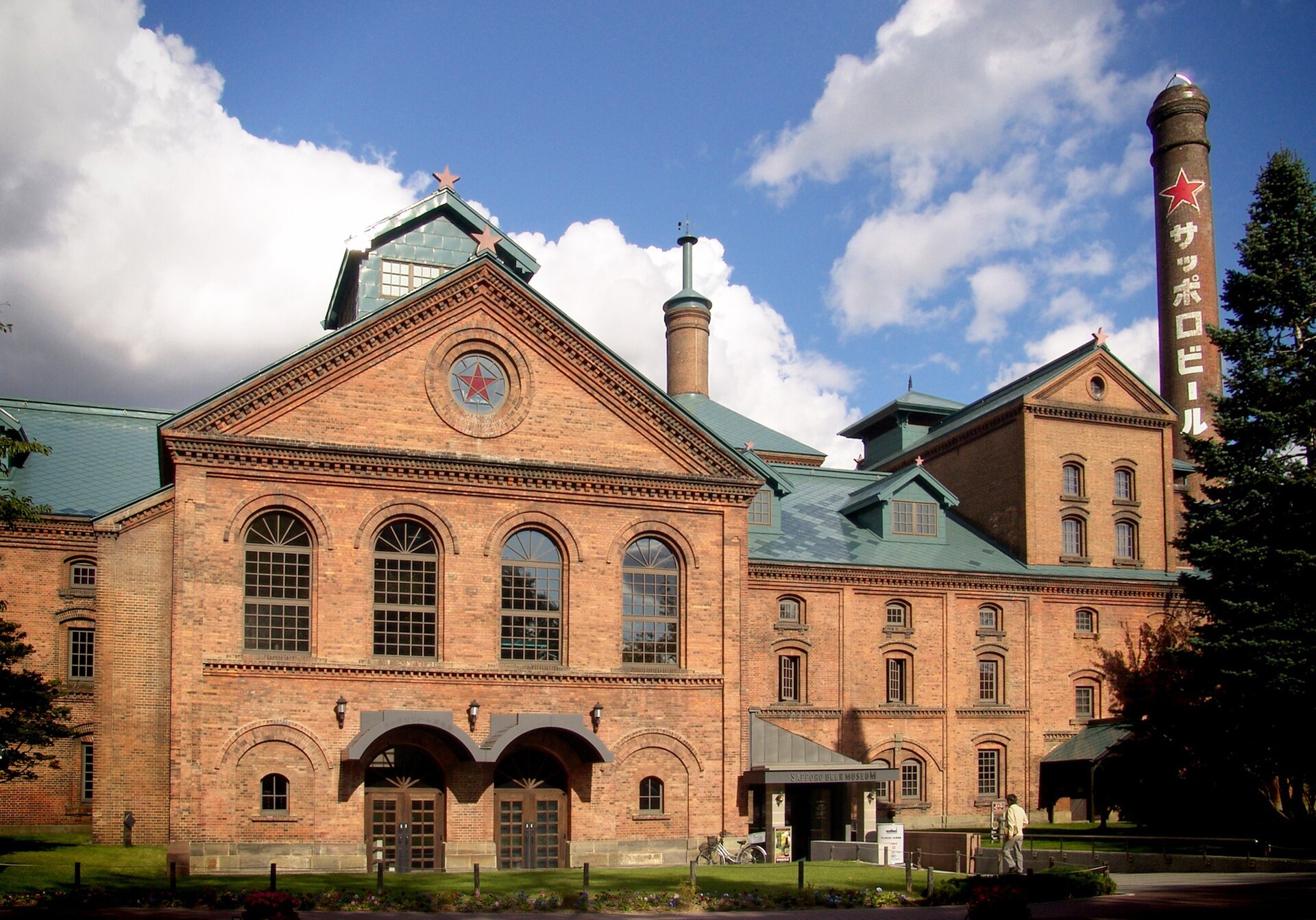
The red-brick museum traces the brewing industry that became closely associated with the city, beginning with the Kaitakushi brewery in 1876.
A closer look
Explore the displays for a look at industrial development and advertising, then leave time for a tasting. The building and its grounds make a worthwhile change of scene from the central shopping streets.
Settle around the grill for jingisukan: lamb or mutton cooked on a domed iron plate with vegetables. This Susukino branch makes a natural evening stop.
Hokkaido’s cold-water fisheries give Sapporo access to prized fish, scallops, crab and sea urchin. The island’s food reputation also runs through its vegetables, dairy and lamb grills. These three stops make a varied introduction; all six recommendations, including coffee, shrimp ramen and zangi fried chicken, are on the map below.
THROUGH THE YEAR
Choose your moment.
February
Sapporo Snow Festival
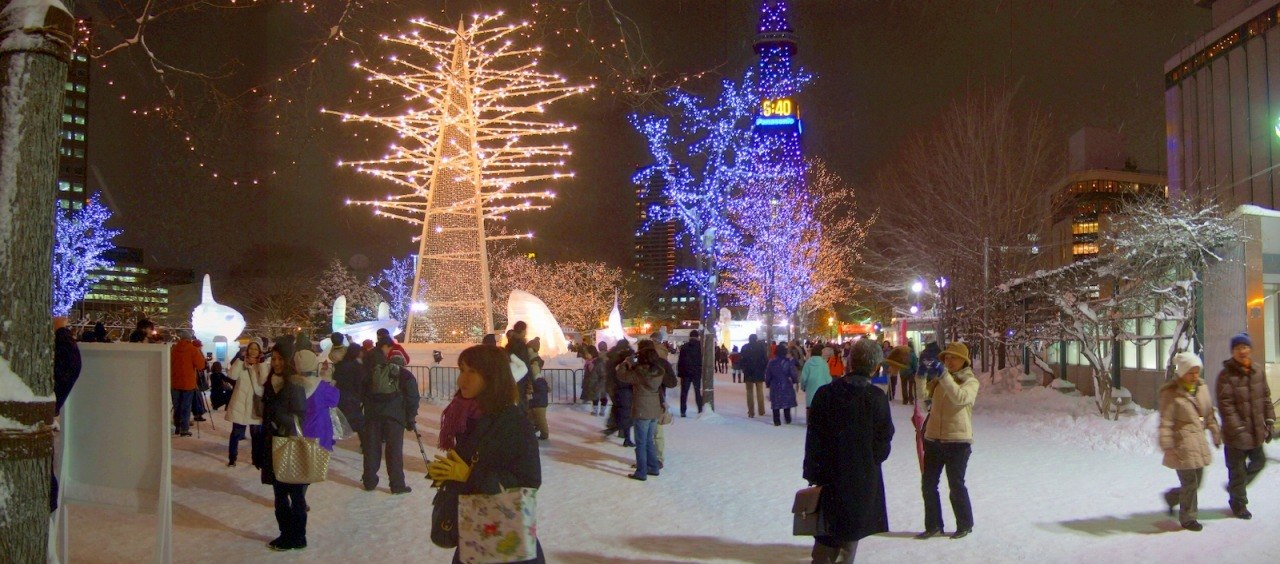
Yuki Matsuri turns the city into an outdoor sculpture gallery, from monumental snow constructions in Odori to ice displays in Susukino.
A closer look
The festival began in 1950 with snow statues made by local students. Visit in daylight for the detail and return after dark for the lighting.
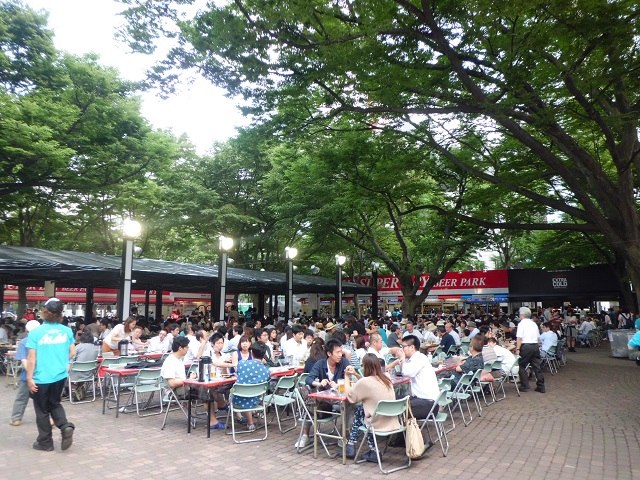
Odori Park becomes an enormous open-air beer garden, with different breweries taking over successive blocks.
A closer look
Find a table beneath the trees, order something to eat, and settle into the long northern evening. The wider summer festival also brings Bon Odori dancing and celebrations around Tanukikoji and Susukino.
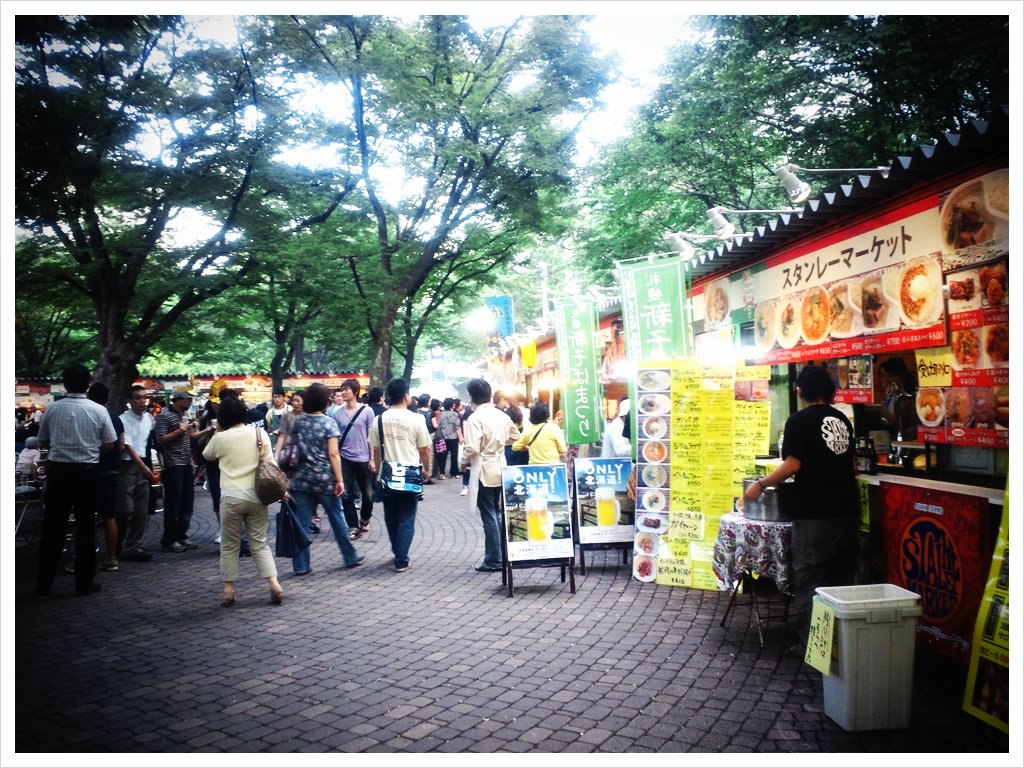
Odori becomes a showcase for food from across Hokkaido.
A closer look
Browse the different areas for regional dishes, produce and drinks, then make an afternoon of trying a few things. It is an especially good time to visit if food is the focus of your trip.