Follow Hakata’s history through shrines and old streets, pause in a garden, then join the city around its tables as evening arrives.
The story behind the place
Start with a walk through Hakata’s temple streets, leave the afternoon open for a lakeside pause, and follow the lights towards the food stalls after dark. Fukuoka rewards a day organised around wandering and eating. Two nights gives you room to settle into its neighbourhoods.
The city carries two histories. Hakata grew as a trading port facing the Asian mainland; Fukuoka developed around the Kuroda family’s castle on the western side of the city. Today, the name Hakata lives on in its station, crafts, festivals and food. The old town is a good place to begin seeing those connections.
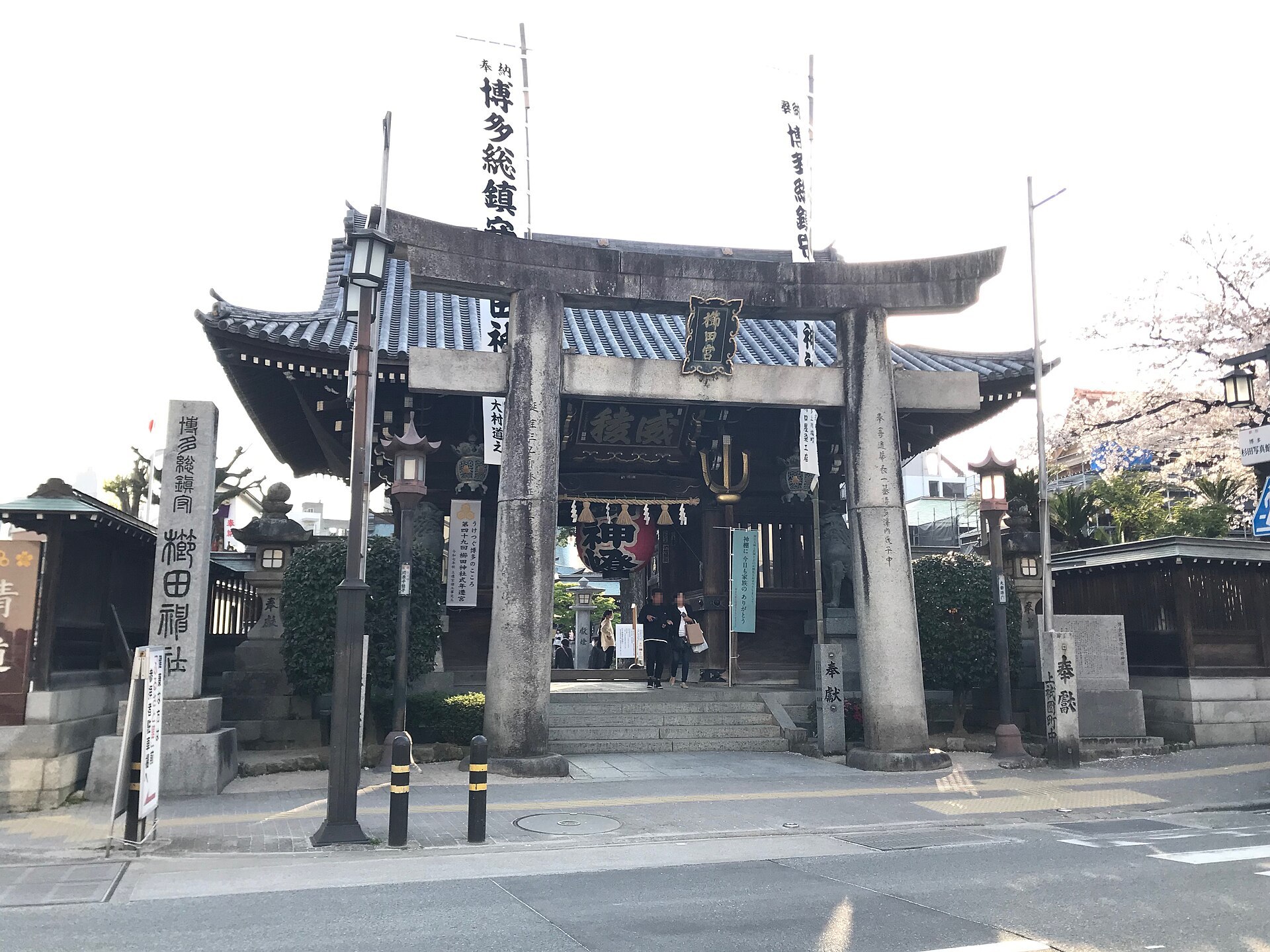
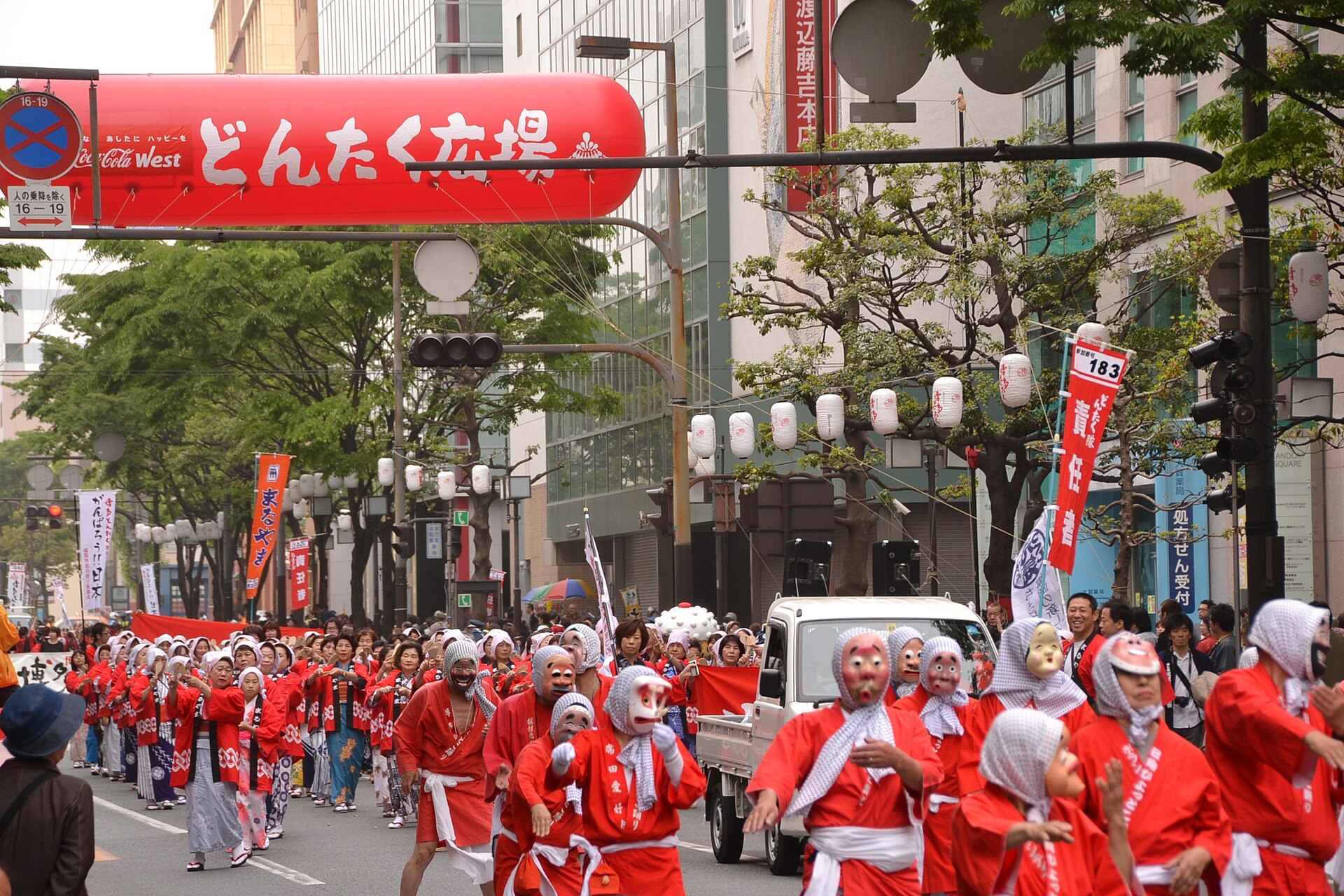
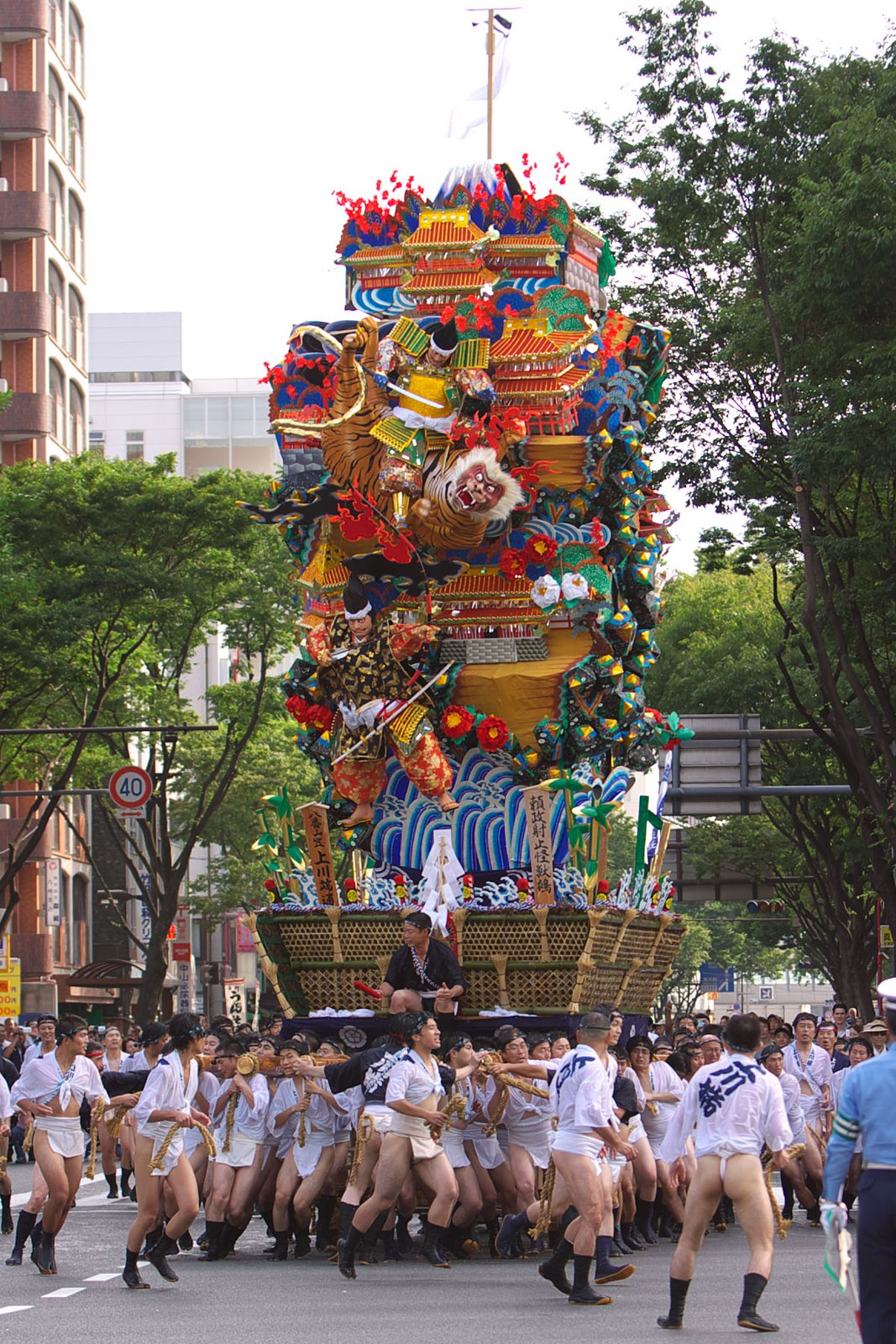
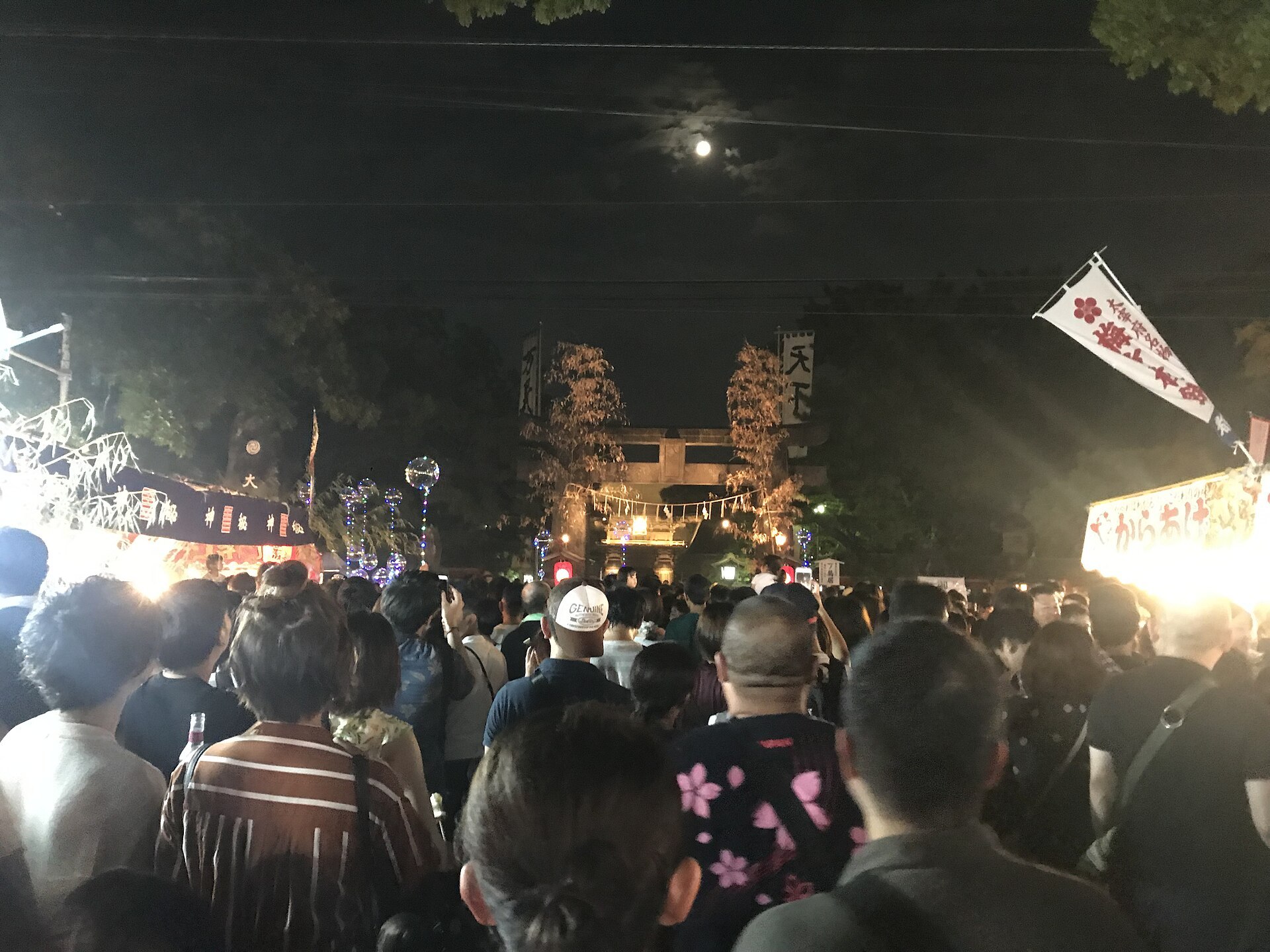
Kushida is closely tied to Hakata’s merchant community and the July Yamakasa festival.
A closer look
Its origins are traditionally dated to 757; a towering decorated festival float gives a sense of the celebrations even outside July. Look for the shrine’s old ginkgo, then wander into the covered Kawabata shopping arcade. Allow around an hour for the shrine and surrounding streets.
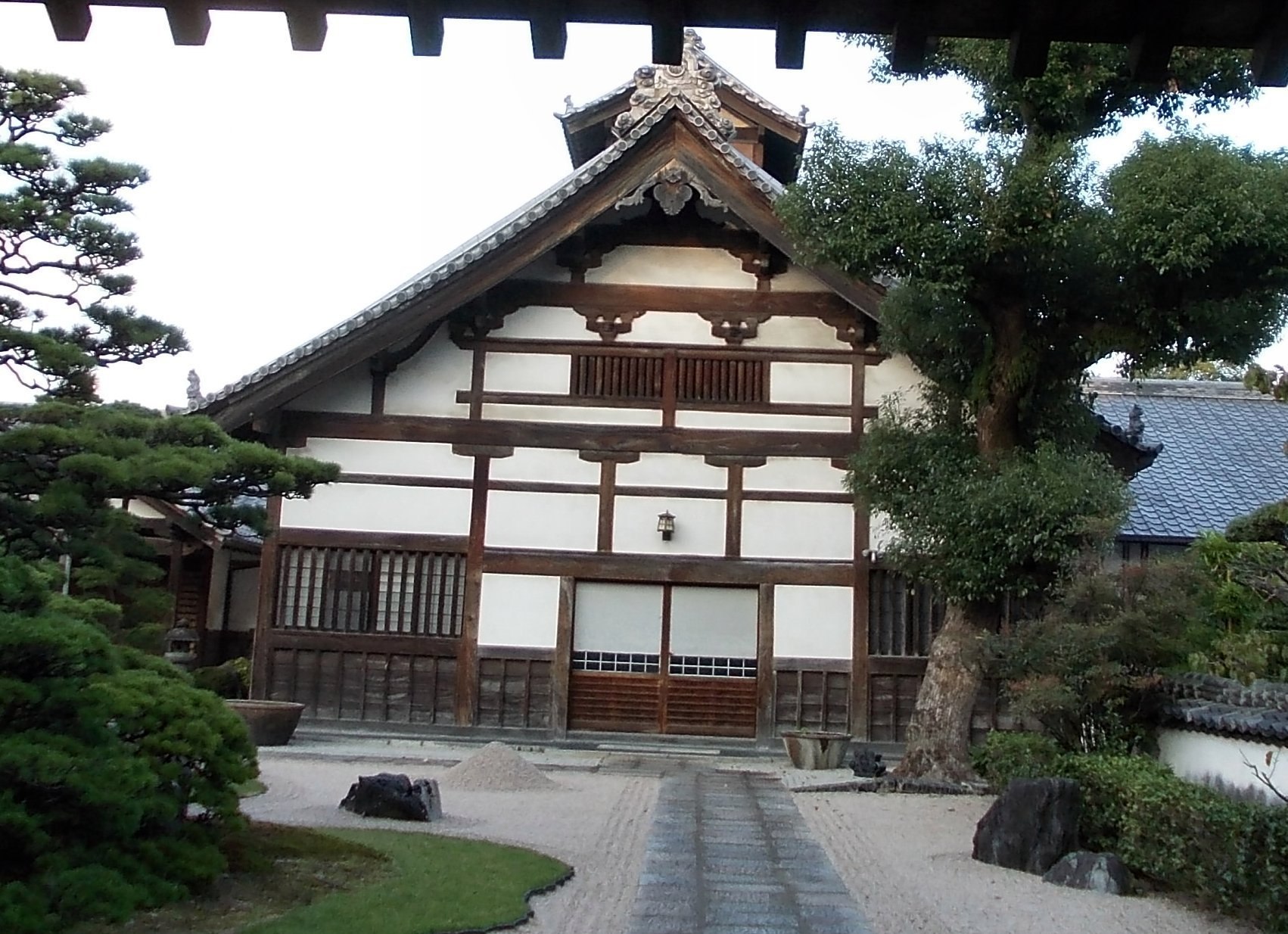
Founded by Eisai in 1195, Shofukuji is celebrated as Japan’s first Zen temple.
A closer look
Its tree-lined grounds give you a quieter introduction to Hakata’s long connections with China and the movement of Buddhist ideas across the sea. Walk the grounds and surrounding lanes, allowing about 45 minutes; the temple buildings are generally closed to visitors.
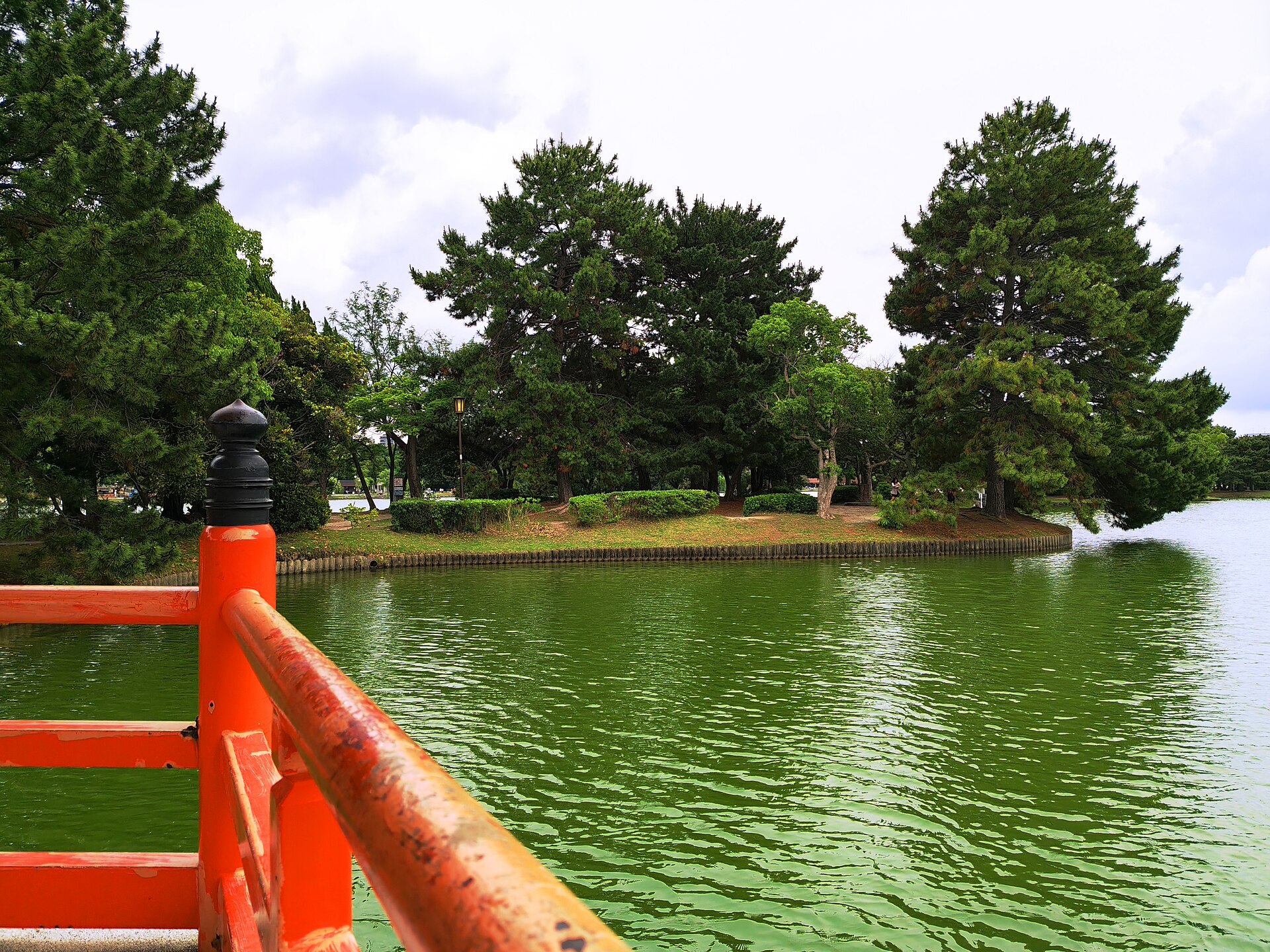
Ohori’s broad lake preserves the landscape of Fukuoka Castle’s outer moat.
A closer look
Follow the bridges through its islands, take a tea break, and continue into neighbouring Maizuru Park for the castle’s surviving stonework. This is the western, castle-town side of Fukuoka’s history. Give it a relaxed two hours; the Fukuoka Art Museum makes a useful extra stop by the lake.
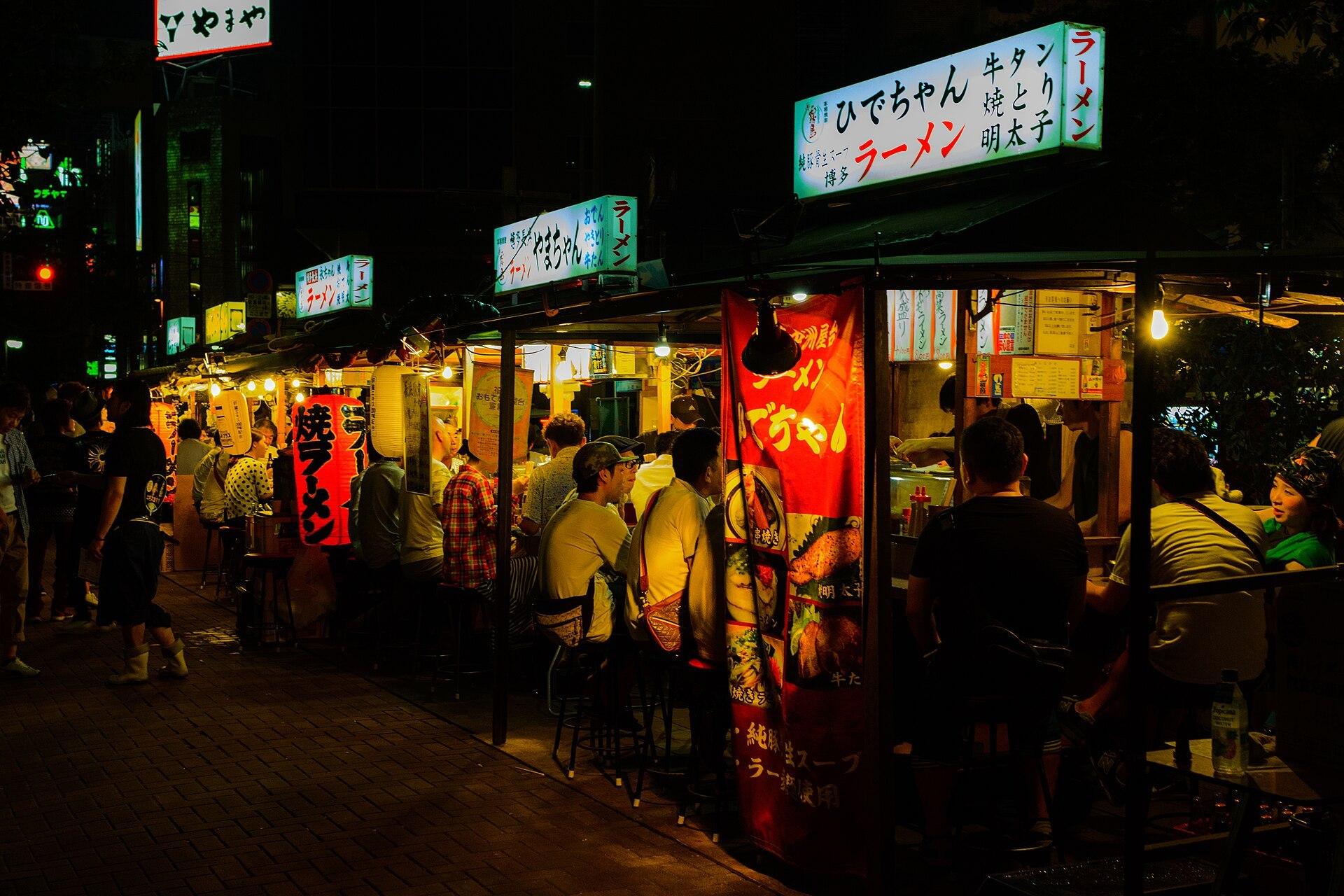
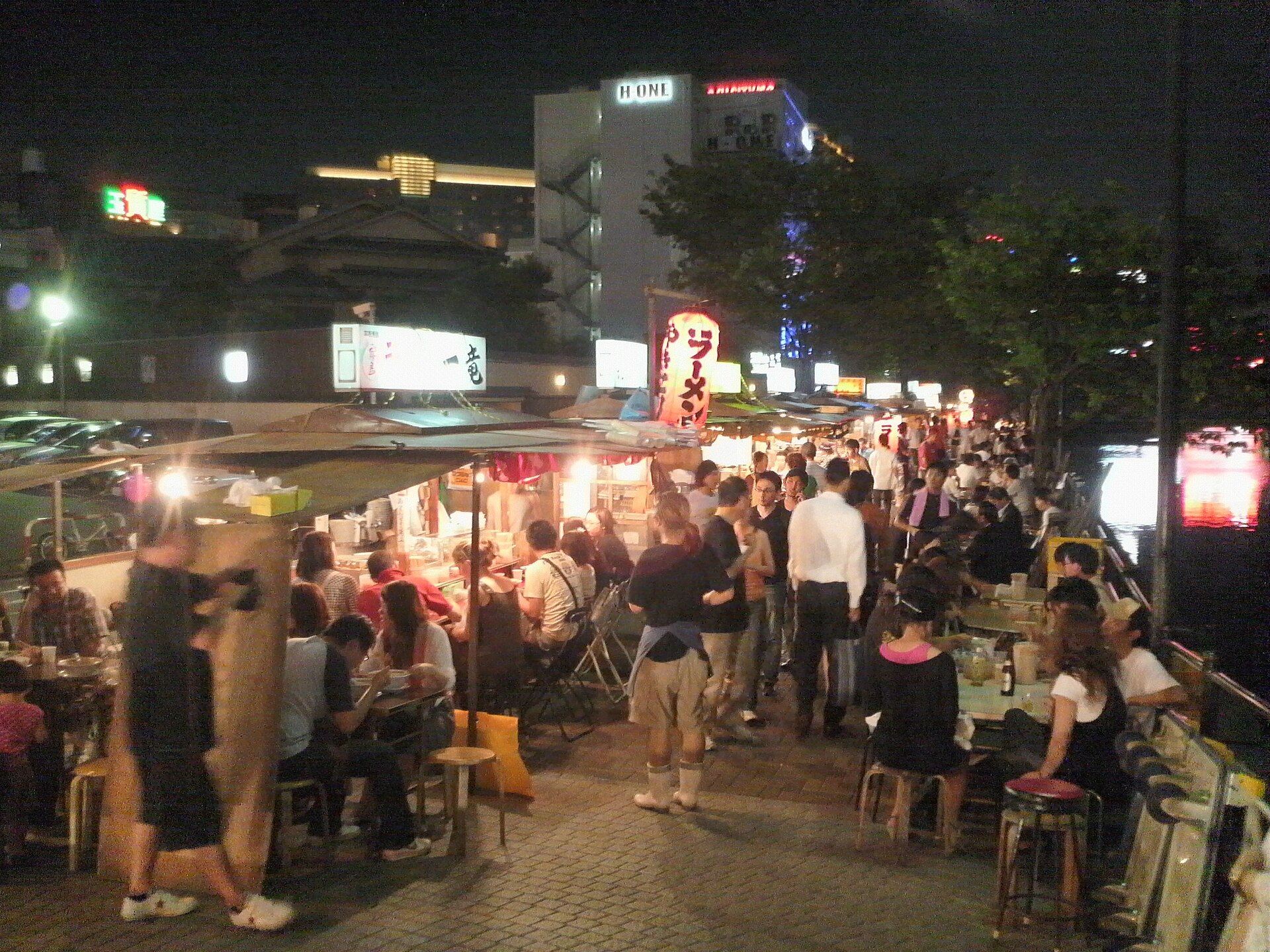
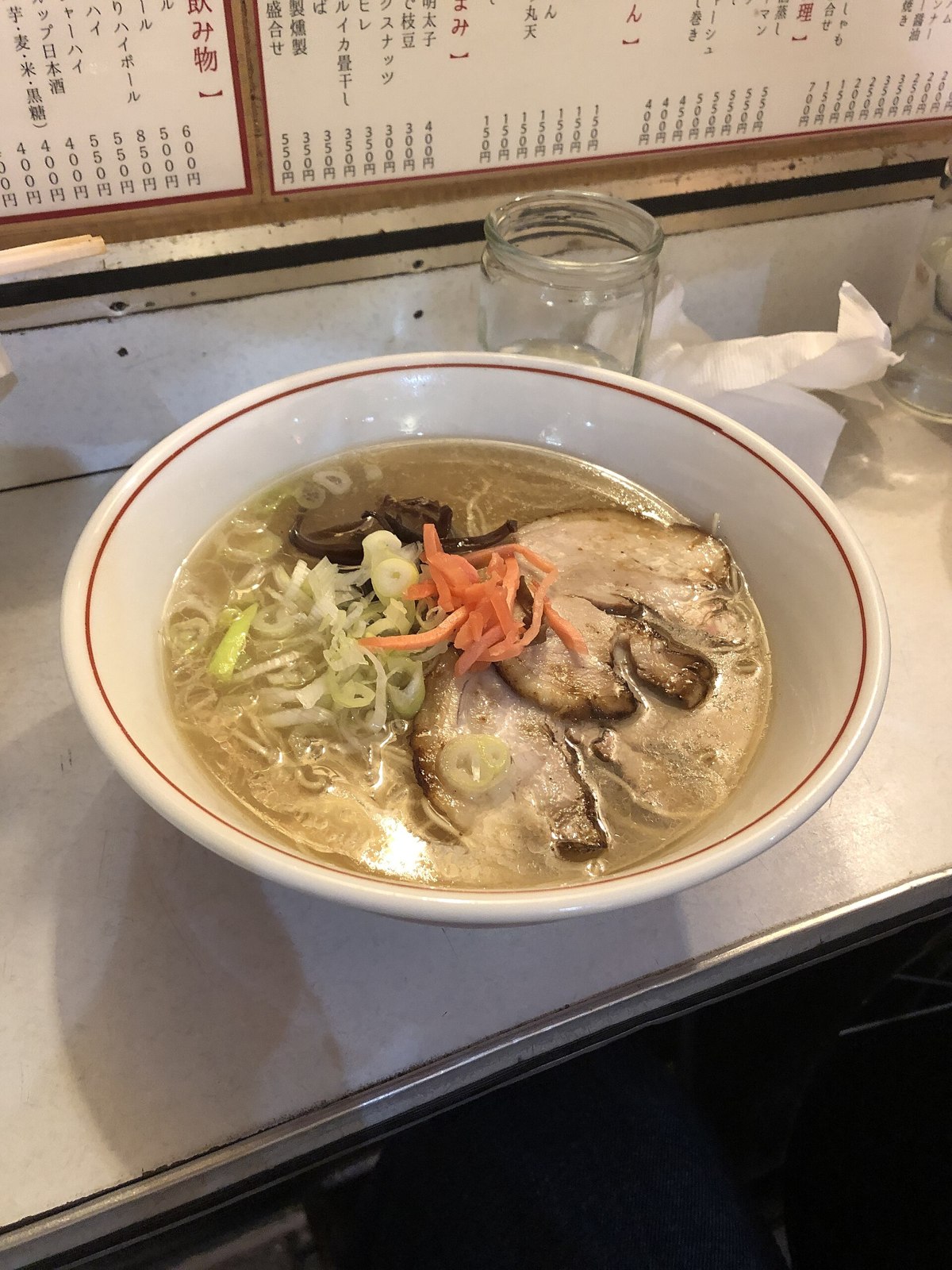
These small outdoor counters are part of Fukuoka’s everyday food culture, with the modern tradition shaped by the years after the Second World War. Choose a stall for ramen, oden or grilled food, then take the long way back along the river. Tenjin and Nagahama have their own clusters of stalls if you have another evening.
A small Nakasu stop for freshly fried chicken. Work it into an evening by the river: a simple, satisfying bite between wandering the neighbourhood’s lanes.
Handmade soba near Kushida Shrine, with tempura for a more substantial meal. Make this your lunch pause while exploring Hakata’s shrines and old shopping streets.