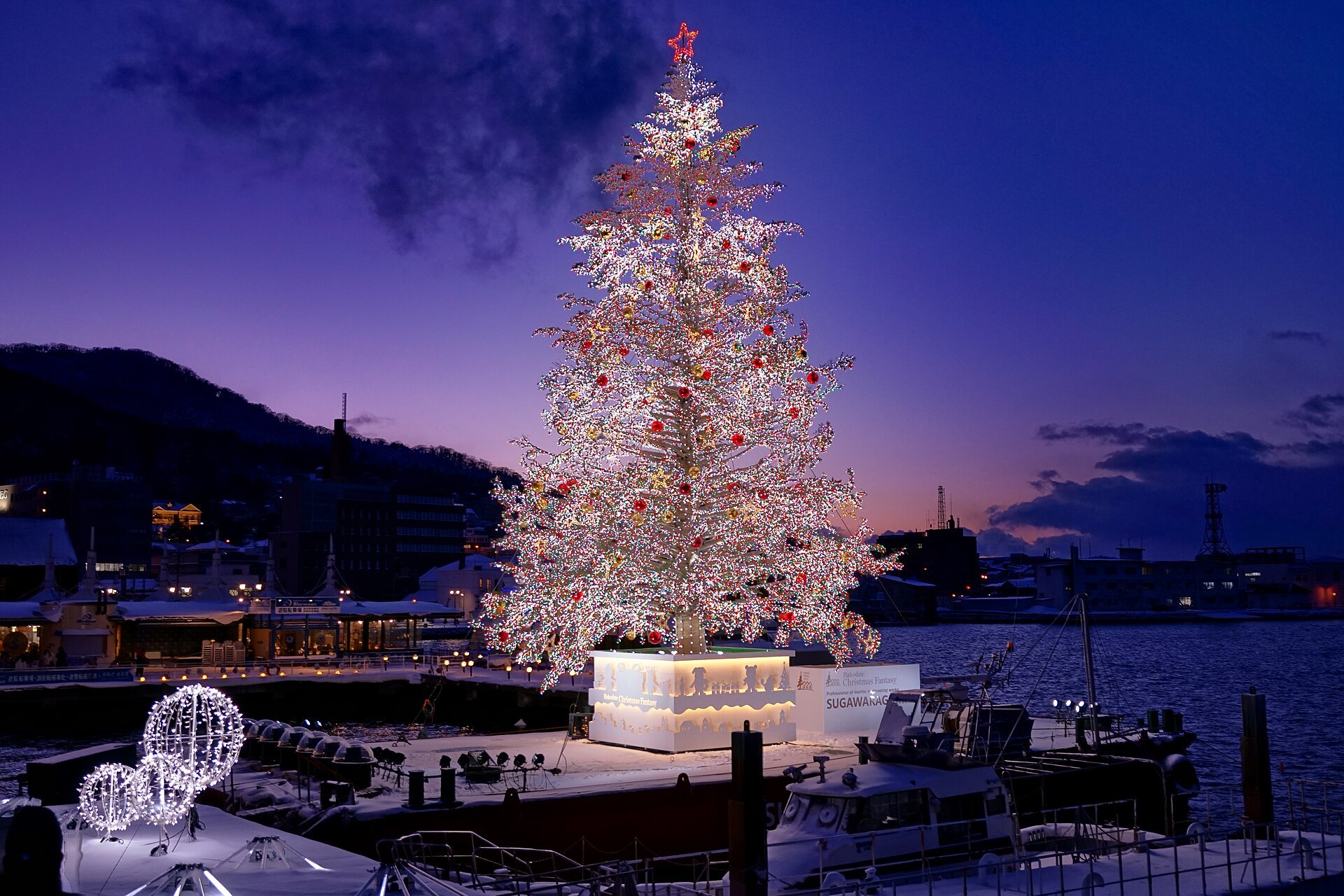
This is where I first lived in Japan, and where I later returned for research. The harbour, hillside streets and changing light still mean a great deal to me.
The story behind the place
Hakodate was the first place I lived in Japan. Later, I came back to do research, returning to a city that already meant a great deal to me. It holds those two parts of my relationship with Japan together: the beginning of life here, and the historical questions that brought me back.
For a visitor, its appeal is easy to see. Streets climb from the harbour towards churches and old public buildings; trams connect the neighbourhoods; and the sea keeps appearing at the end of a road. Give yourself two nights if you can, with time to walk slowly and see the waterfront in different light.
Hakodate opened to foreign trade in 1859, following its designation as a treaty port in 1854. Its architecture and food still carry traces of those connections. Across town, Goryokaku tells another part of the story: the fighting that accompanied the end of the Tokugawa shogunate and the rise of the Meiji state.
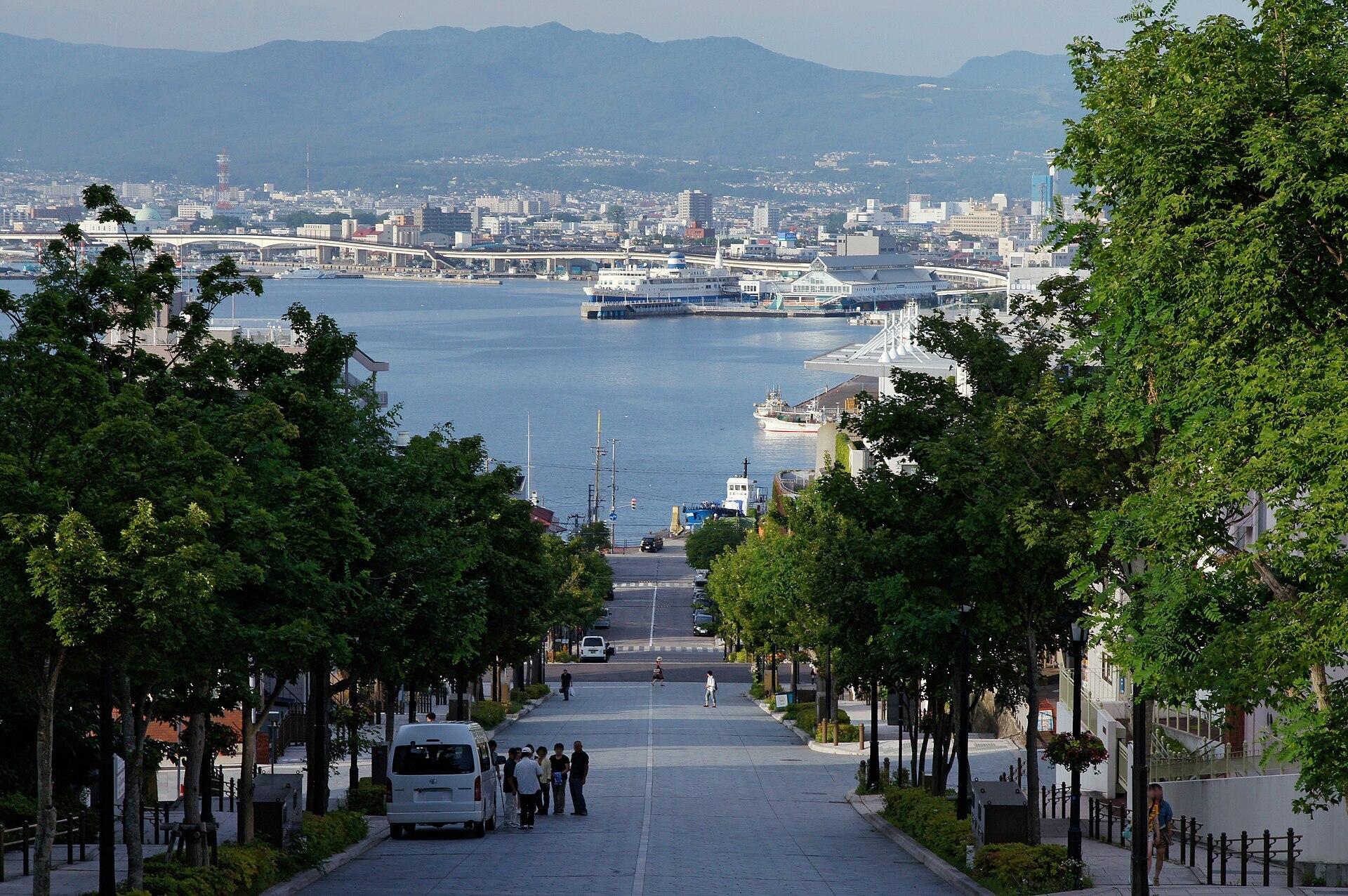
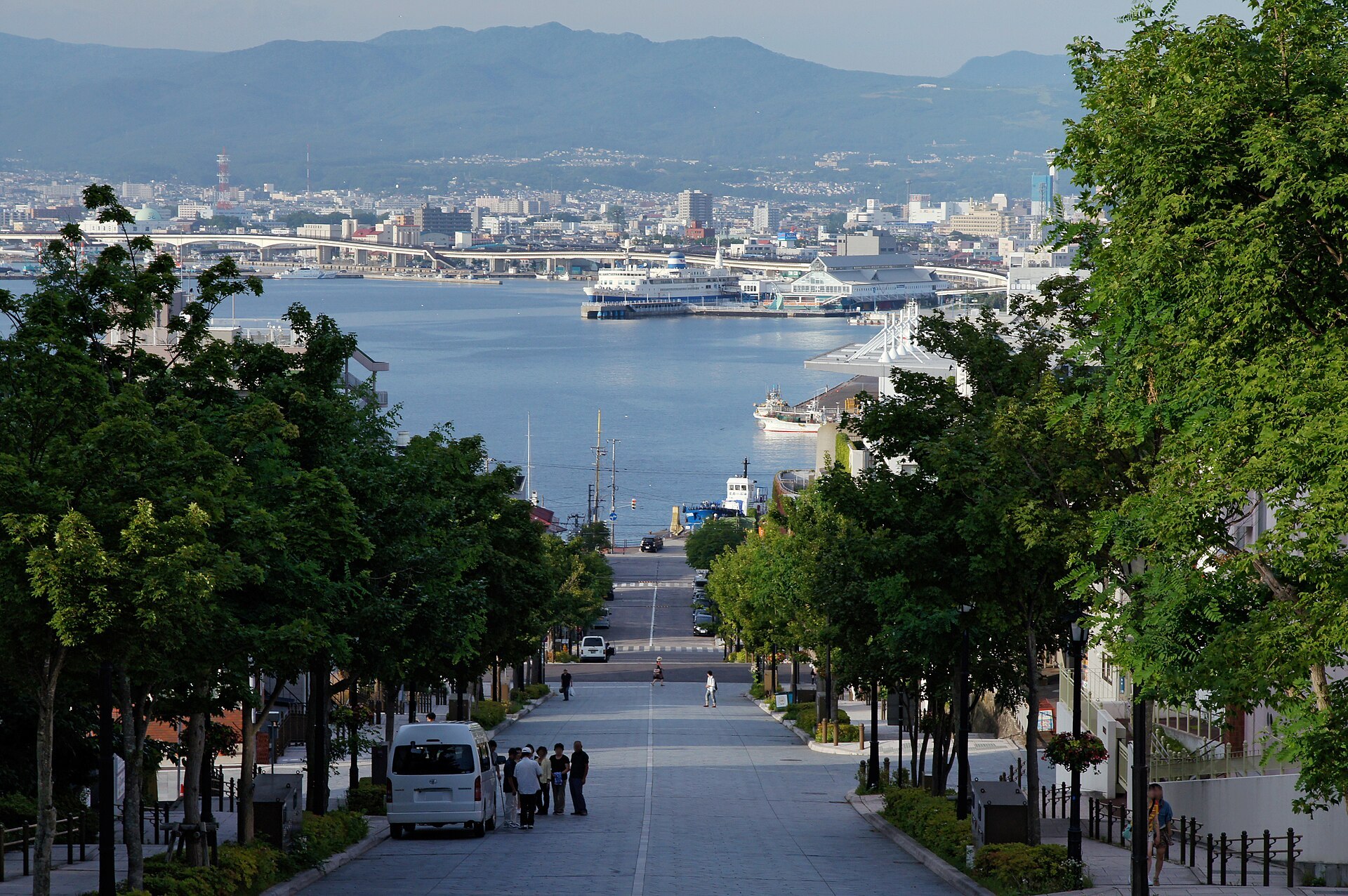
Start around Hachimanzaka and follow the lanes across the hillside.
A closer look
Orthodox, Catholic and Anglican churches sit within walking distance of one another, alongside Japanese houses and buildings shaped by the international port. The pleasure is in the walk itself: changing rooflines, a turn into a quieter lane, and the harbour opening below you. Allow a couple of hours.
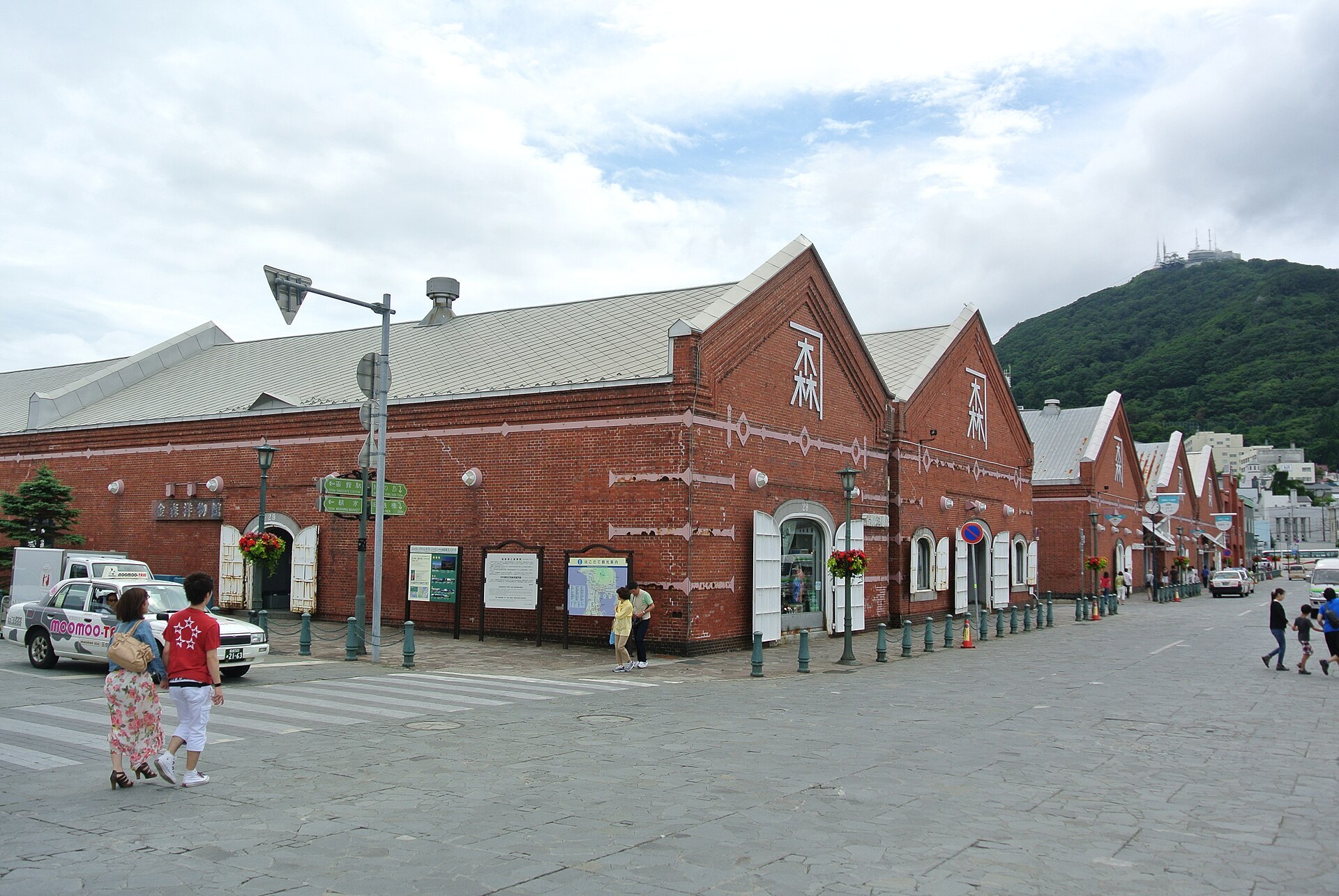
The Kanemori warehouses give the bay its familiar red-brick outline. Once part of the working commercial waterfront, they now hold shops and places to eat.
A closer look
Walk along the water and around the warehouse lanes, then continue towards the older streets at the foot of the hill. This is an easy place to leave some unplanned time between lunch and Motomachi.
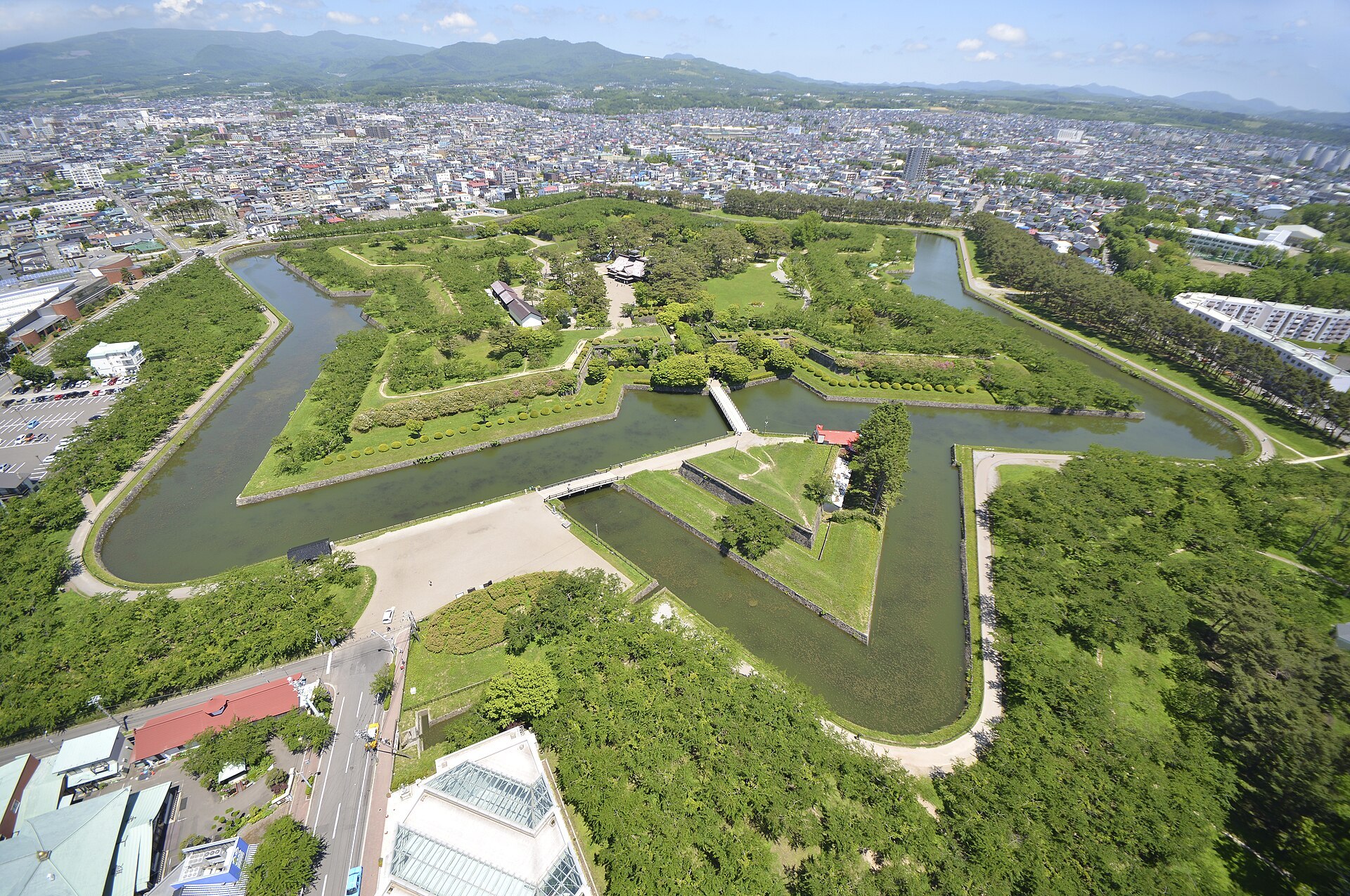
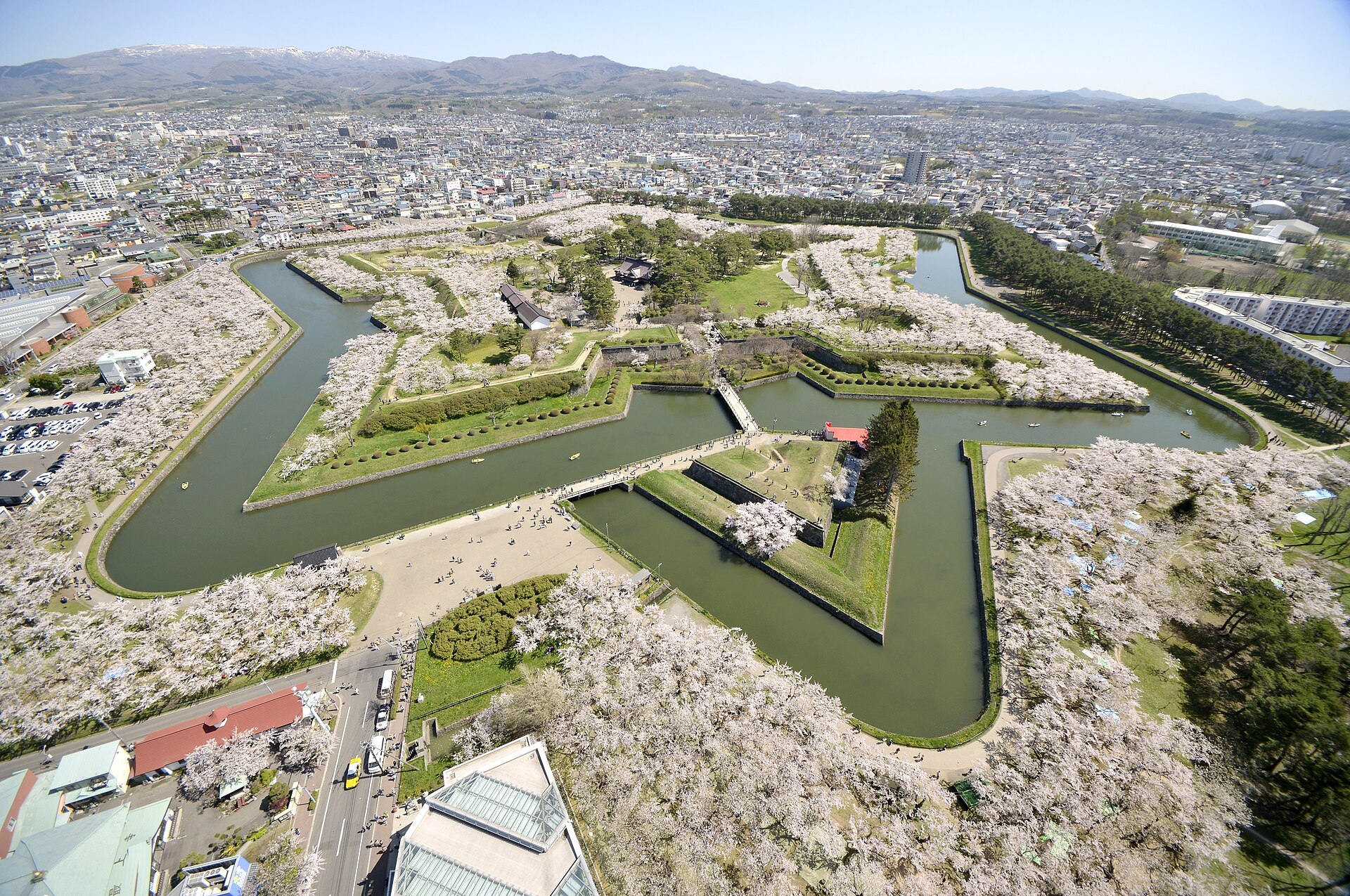
This star-shaped fort was largely completed in 1864 to house the magistrate’s office and strengthen northern defences.
A closer look
In 1869, it became the final stronghold of forces resisting the new Meiji government. Go up Goryokaku Tower to understand the shape, then walk the moat paths and visit the reconstructed magistrate’s office. Set aside around two hours, plus the journey from the waterfront.
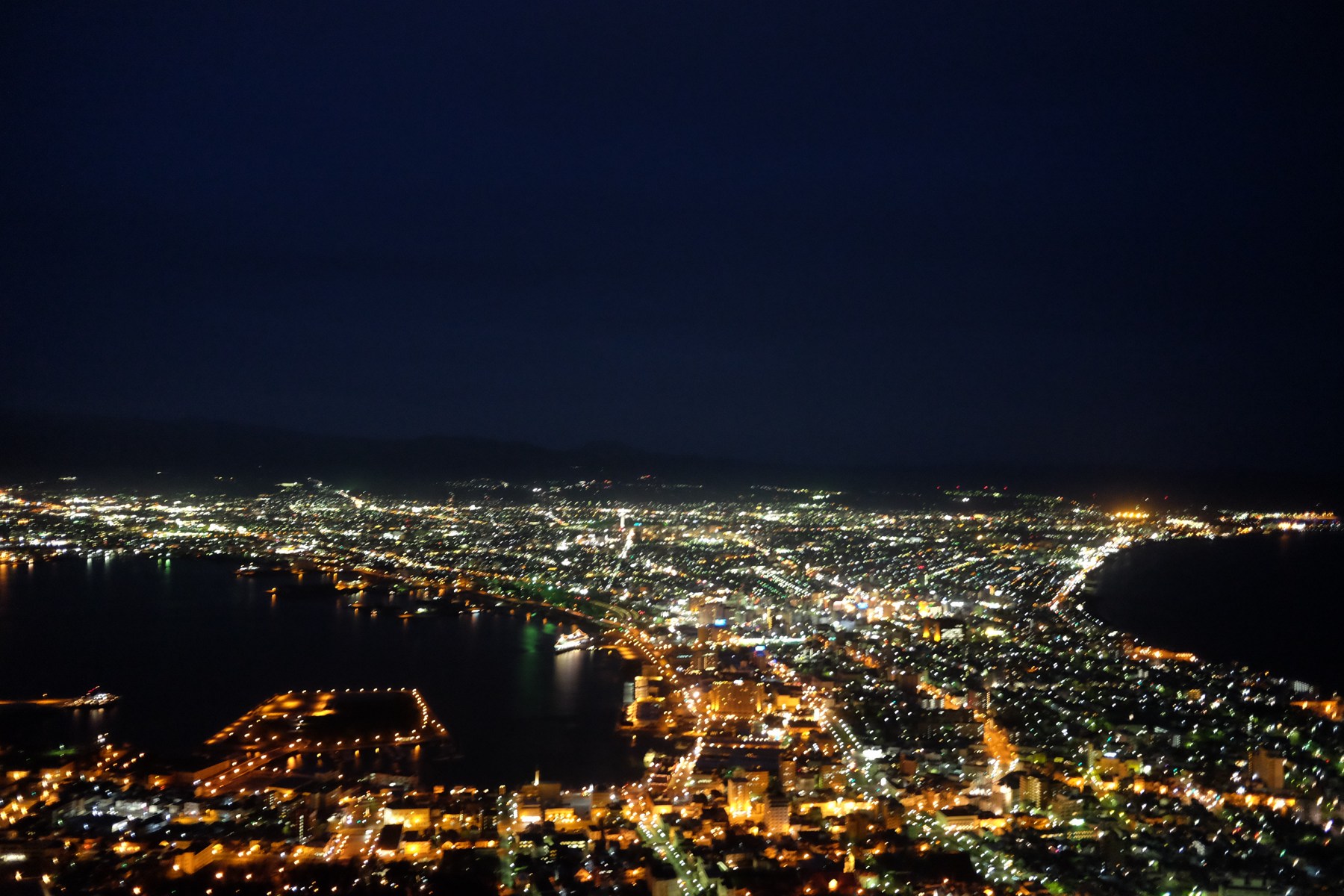
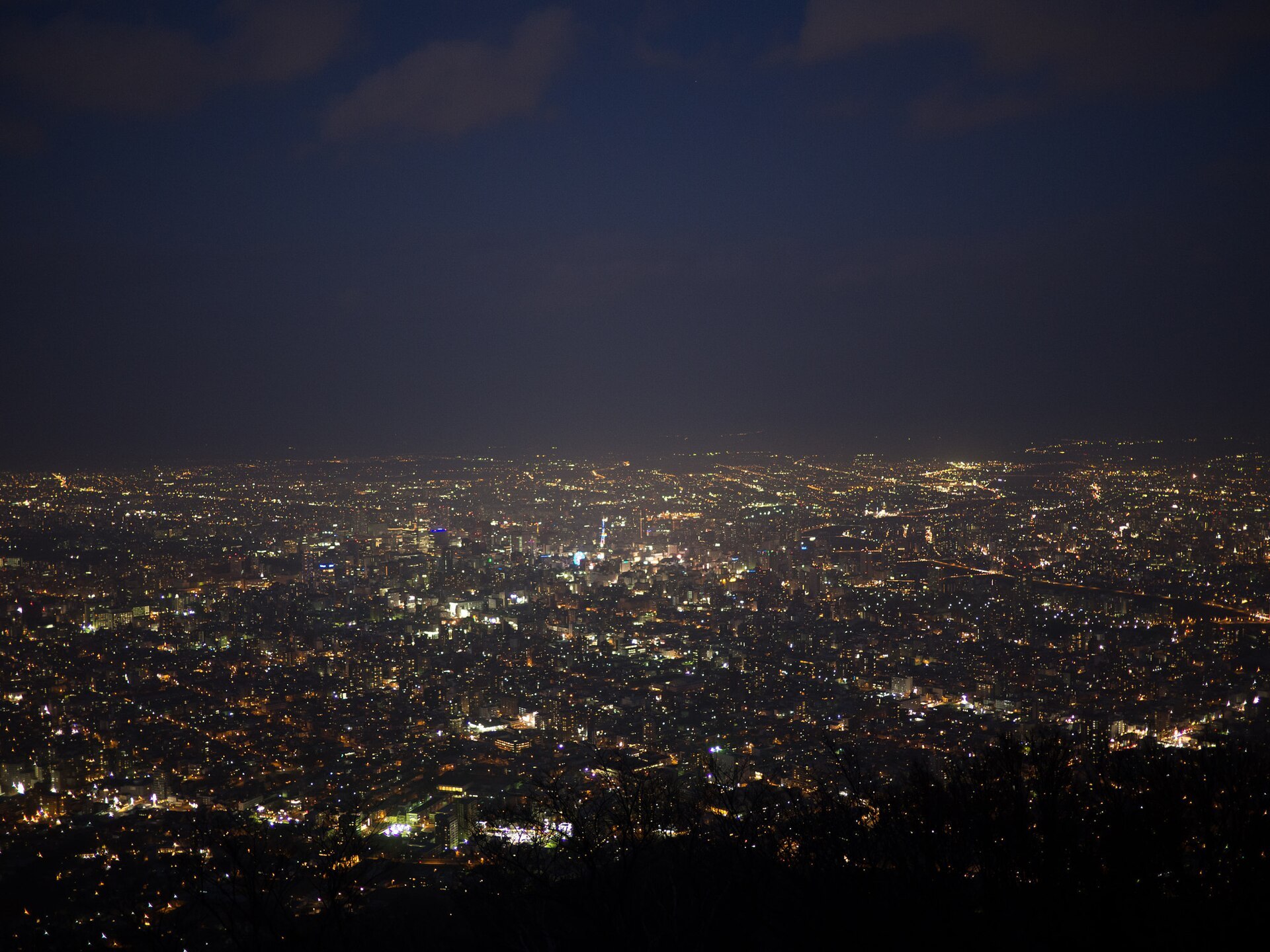
From the summit, the city narrows between two stretches of water.
A closer look
Arrive before sunset to watch the coastline give way to streetlights: the changing view is part of the experience. The ropeway’s lower station is above the Motomachi area, so it pairs naturally with a hillside afternoon. In low cloud, spend that evening among the harbour streets instead.
Local favourites, Western-style cooking and somewhere to settle in for the evening.
01
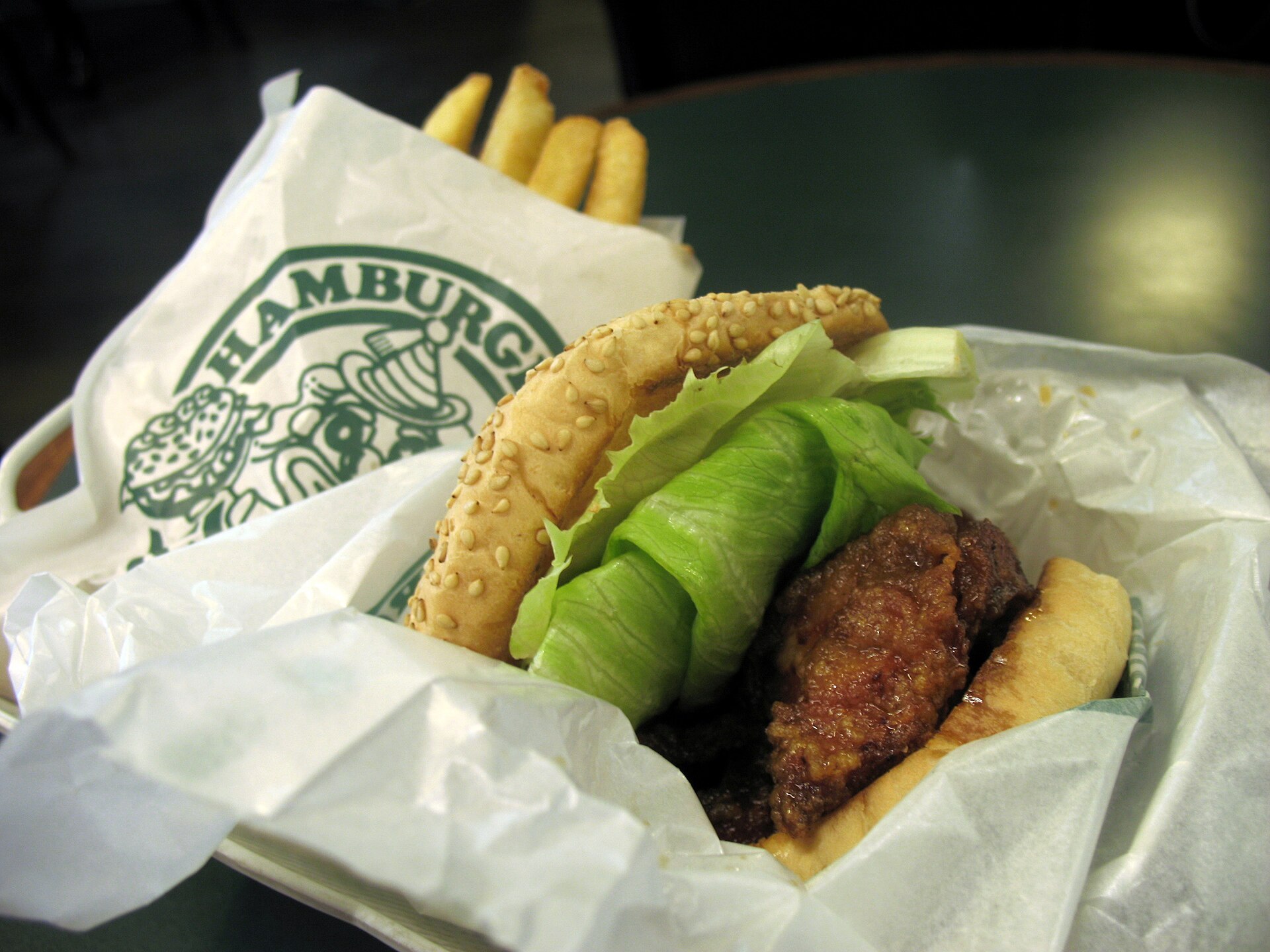
Lucky Pierrot / Bay Area Main Shop
A local institution with a playful personality. Try the Chinese chicken burger at the original Bay Area shop, close to the warehouses, for an easy lunch between walks.
A small bar on Nijukkenzaka, with a thoughtfully chosen drinks selection and an intimate feel. A good place to settle down after dinner in the old town.
Seafood is a natural starting point in this port city, but Hakodate’s food also follows the people and ideas that have passed through it. These are four places I would build into a stay, from a distinctly local burger to Western-style cooking, Spanish food and an evening drink.
THROUGH THE YEAR
Choose your moment.
Late April–early May
Cherry blossoms at Goryokaku
The star-shaped moat becomes a ribbon of blossom when the cherries flower. Walk beneath the trees, then see the pink outline from the tower.
A closer look
This is a seasonal highlight rather than a fixed-date festival; the flowering shifts with the spring weather.