Kiyomizu-dera

Kyoto / NEIGHBOURHOOD GUIDE

Higashiyama.

Temple slopes. A mountain above the city.

Explore Higashiyama
Suggested stay2–3 days
Come for
  • History
  • Art & museums
  • Mountain walks

GET TO KNOW THE NEIGHBOURHOOD

Choose your part of the hillside.

Go early for the southern lanes. Leave another day for Okazaki’s museums or the quieter paths around Yoshida and Ginkaku-ji.

The story of this neighbourhood

Higashiyama stretches far beyond its famous southern streets. Treat this as three connected areas, not one day’s checklist: the temple approaches around Kiyomizu, the museums and canals of Okazaki, and the quieter northern world around Yoshida and Ginkaku-ji.

Southern Higashiyama is one of Kyoto’s busiest sightseeing areas. Come early for Kiyomizu-dera, Ninenzaka and Sannenzaka, then move towards a quieter temple or a museum as the day builds. The old pilgrimage streets are worth seeing; they simply reward a different rhythm from the middle of a tour-group afternoon.

Okazaki tells another story: the city’s modern cultural institutions and the Lake Biwa Canal sit alongside older temples. Farther north, the university, wooded shrine grounds and mountain paths give the eastern hills an everyday quality. Allow separate days to get to know these different parts.

SIGHTS & STORIES

Find your way into the place.

South

Start early for Kiyomizu and the old slopes.

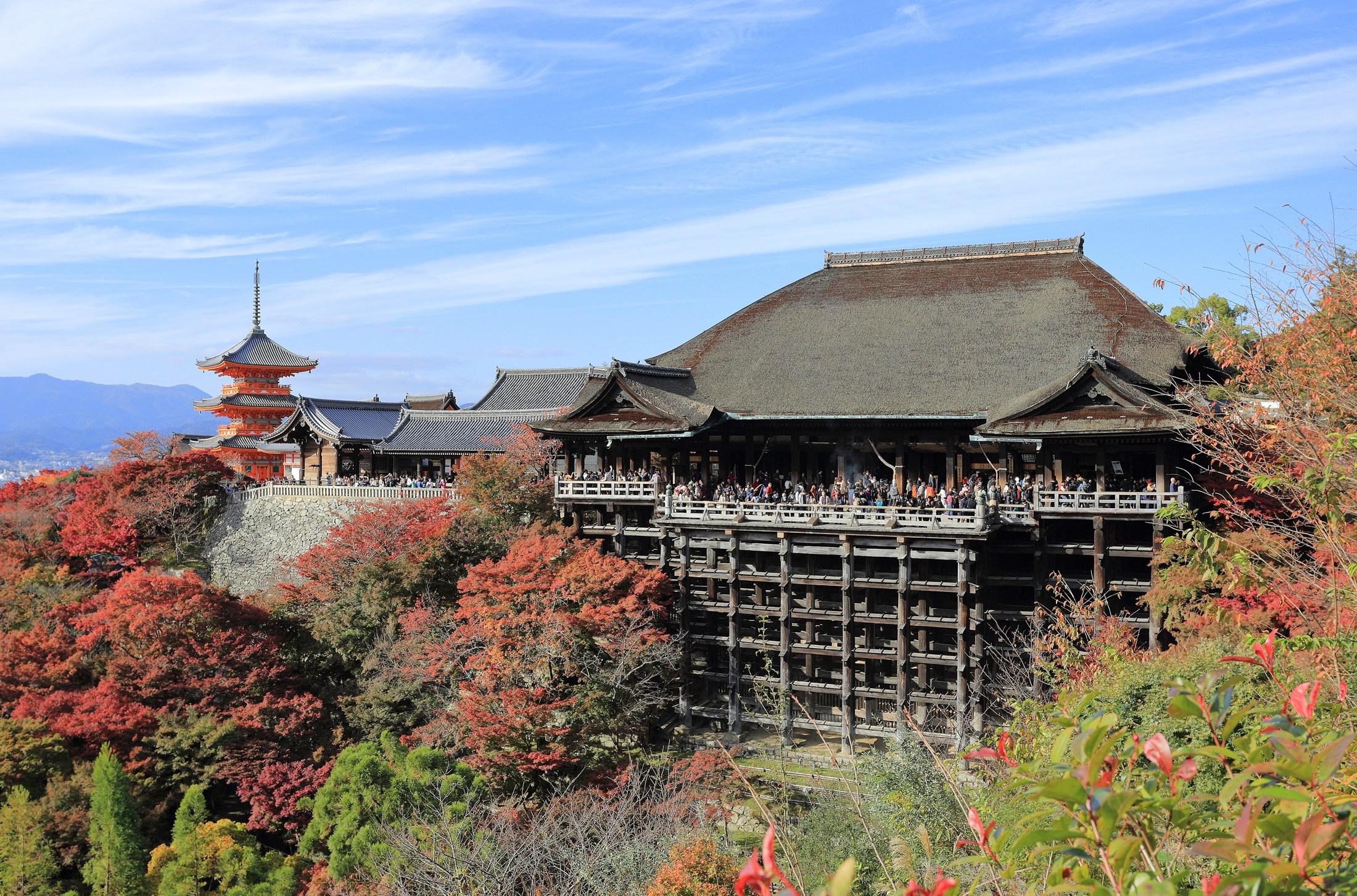
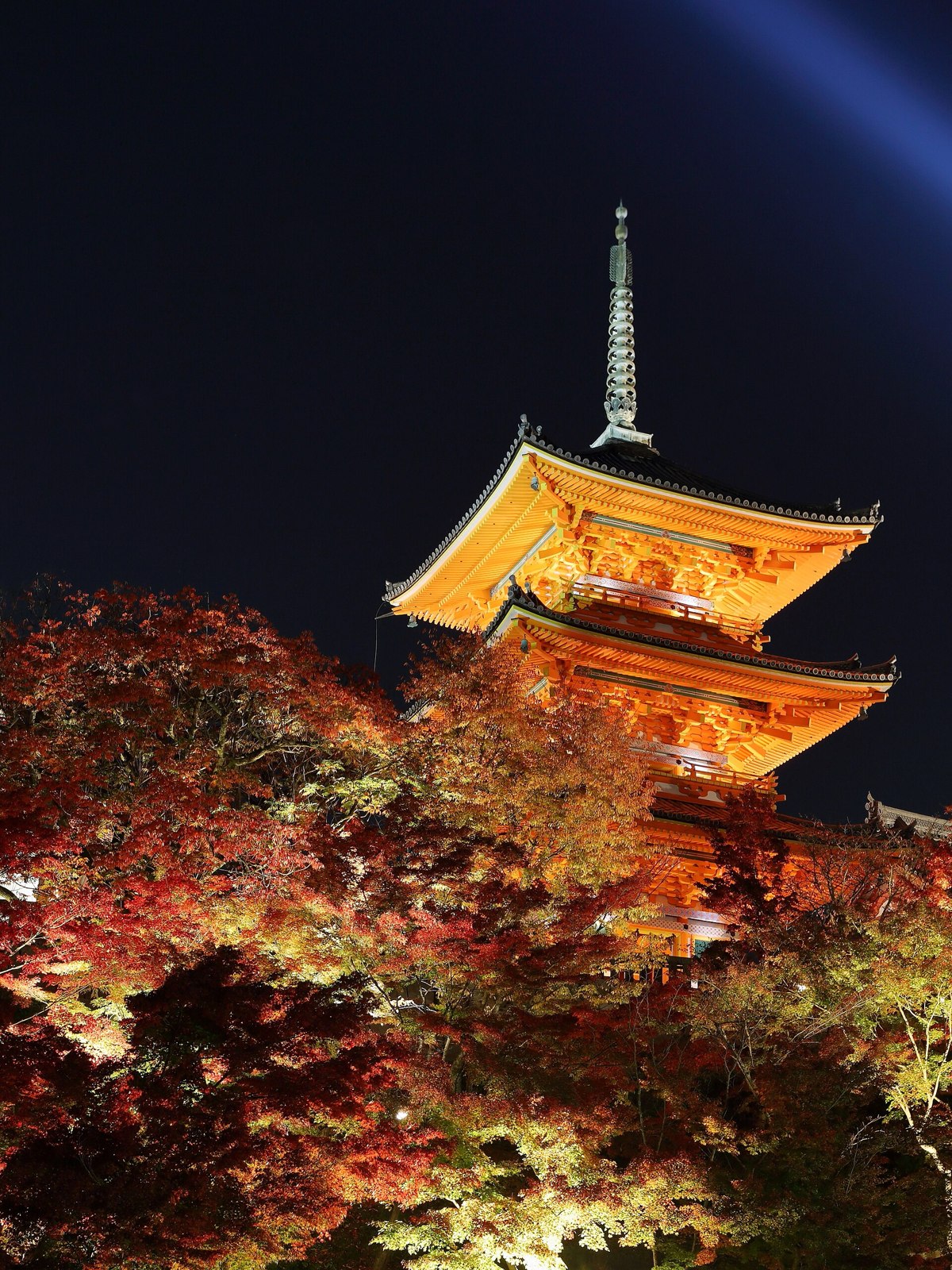
Kiyomizu-dera

Kiyomizu-dera

Kiyomizu-dera

Tradition dates the temple’s foundation to 778, around the waters of Otowa. The great timber stage projects over the hillside and turns the city below into part of the visit.

A closer look

Go early, include time for the approach, and look beyond the familiar view to the halls and paths within the precinct.

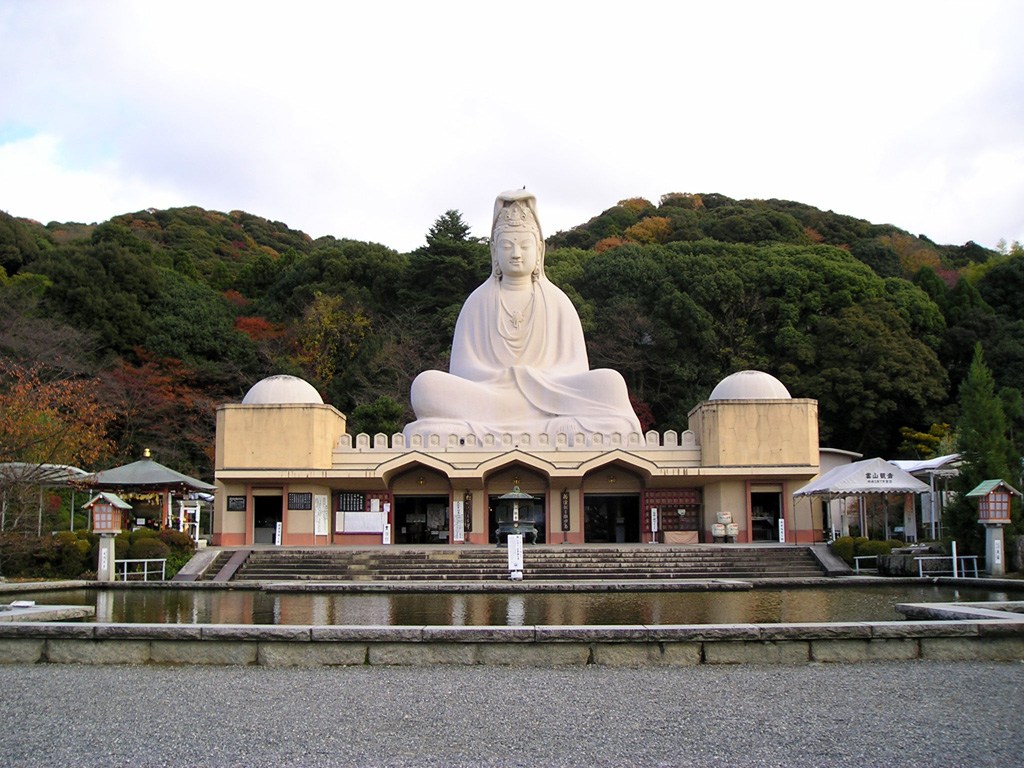
Ryozen Kannon

Ryozen Kannon

Ryozen Kannon

The immense seated Kannon belongs to a memorial established in 1955 for those who died in the Asia-Pacific War.

A closer look

It is a very different historical encounter from the medieval temples nearby. Visit quietly and take time to read the memorial’s own account of its purpose.

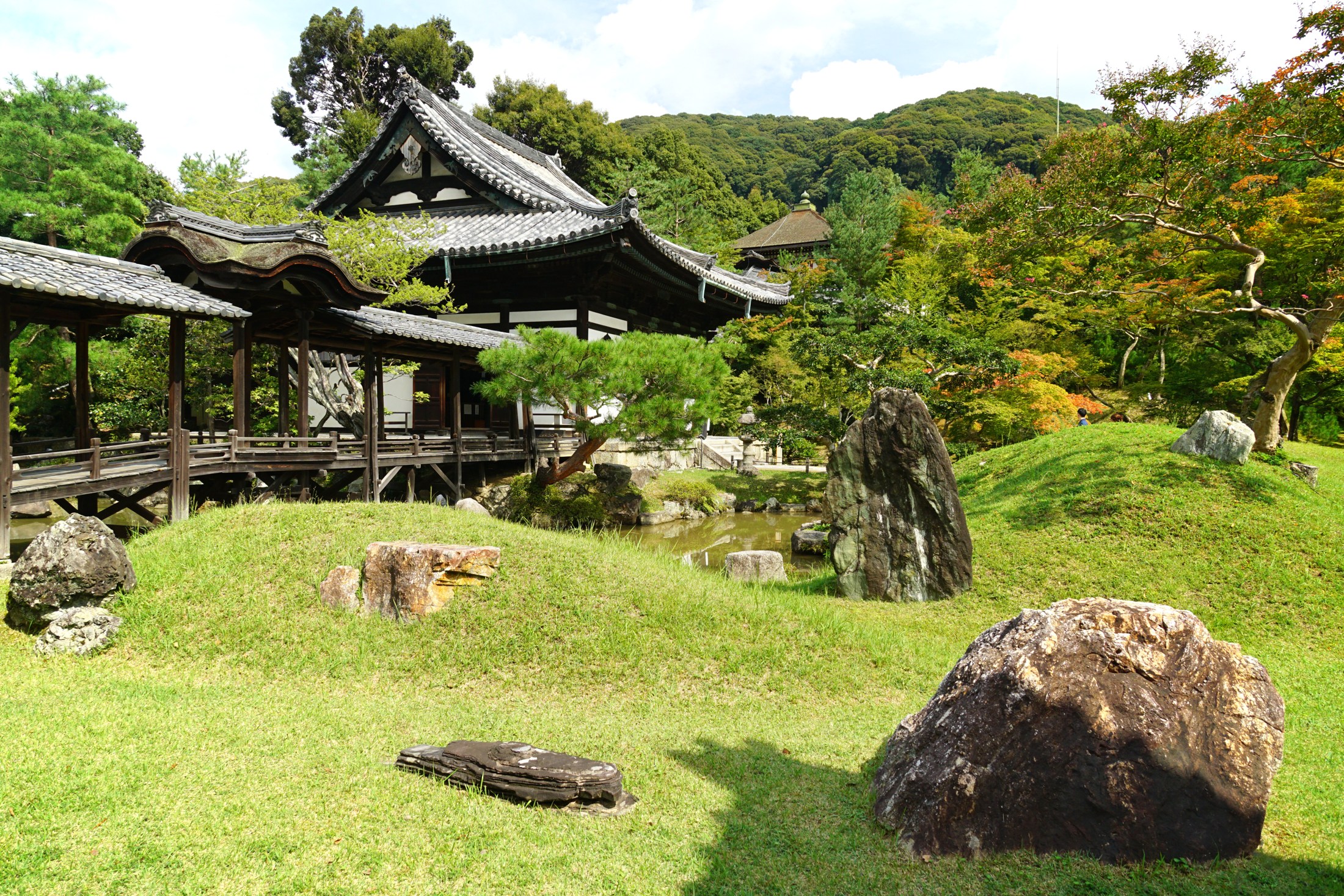
Kōdai-ji

Kōdai-ji

Kōdai-ji

One of my favourites. Nene founded the temple in 1606 in memory of her husband, Toyotomi Hideyoshi.

A closer look

Gardens, tea houses and the relationship between the buildings and hillside make it worth slowing down. The surrounding lanes offer a way to step away from the main procession towards Kiyomizu.

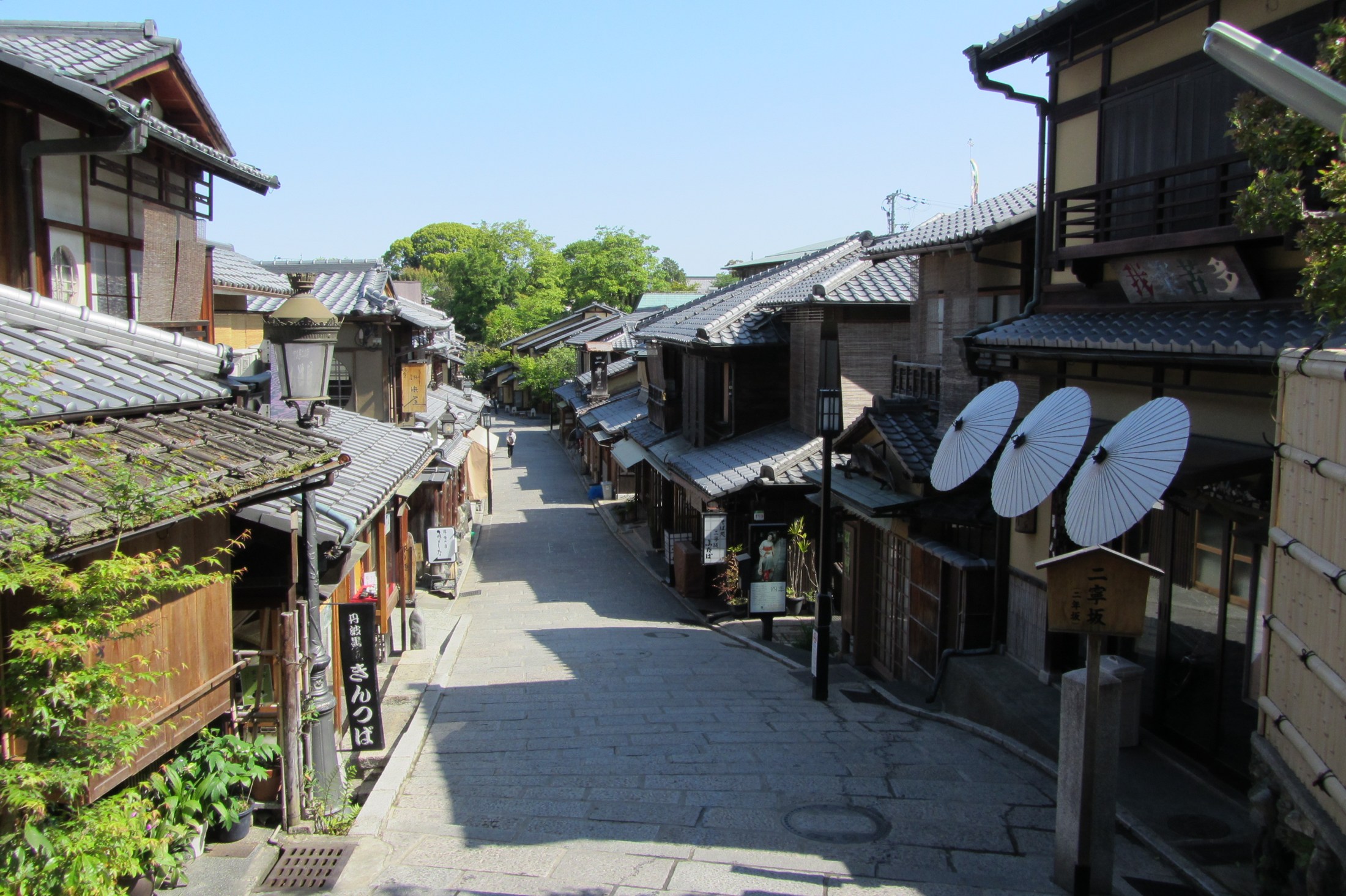
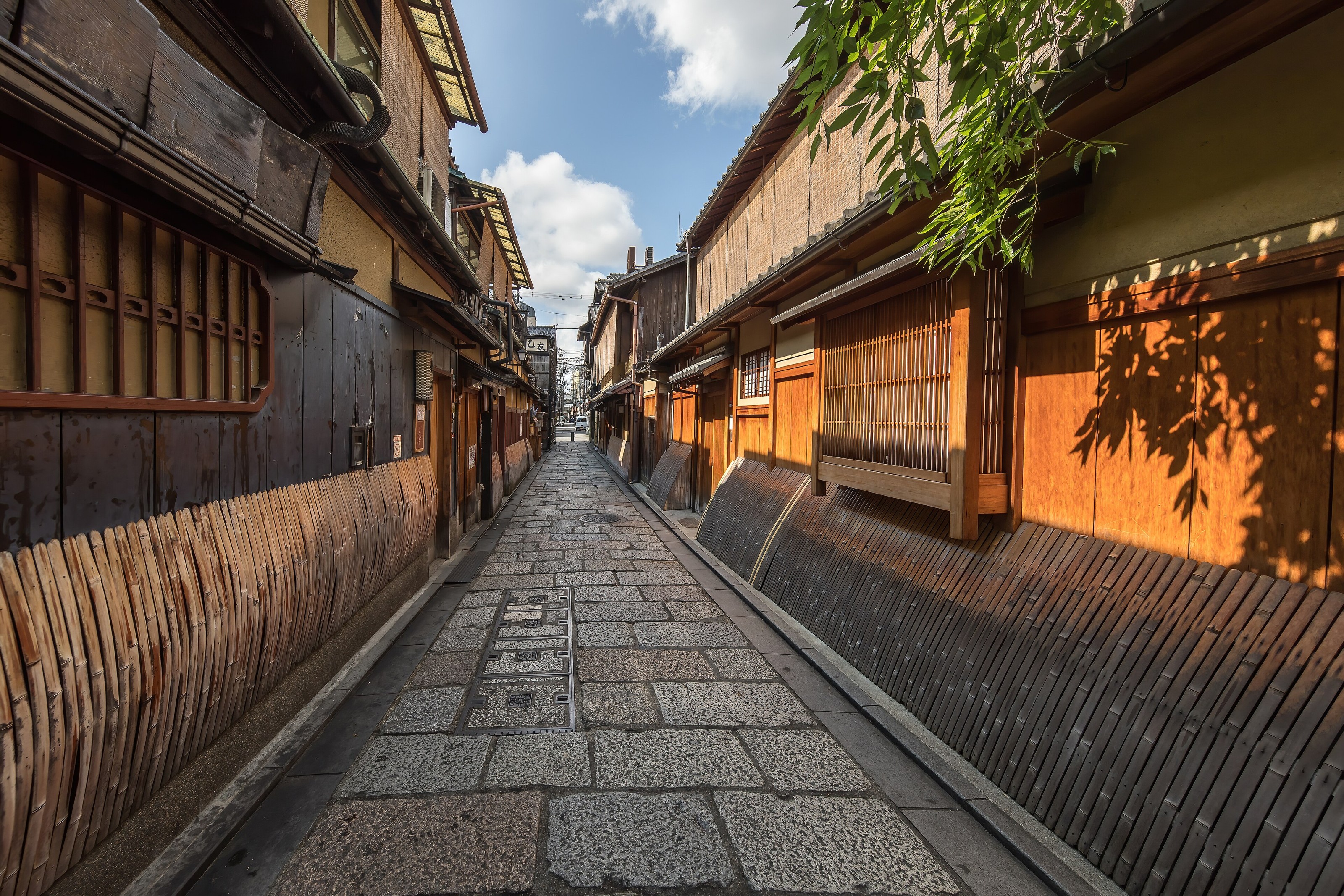
Ninenzaka & Sannenzaka

Ninenzaka & Sannenzaka

Ninenzaka & Sannenzaka

These streets developed around the journey to Kiyomizu-dera. Their late-Edo, Meiji and Taishō buildings form part of the Sannenzaka preservation district, designated in 1976.

A closer look

Walk between Kiyomizu and Kōdai-ji before the busiest hours; the stone steps and narrow lanes need patience when crowded.

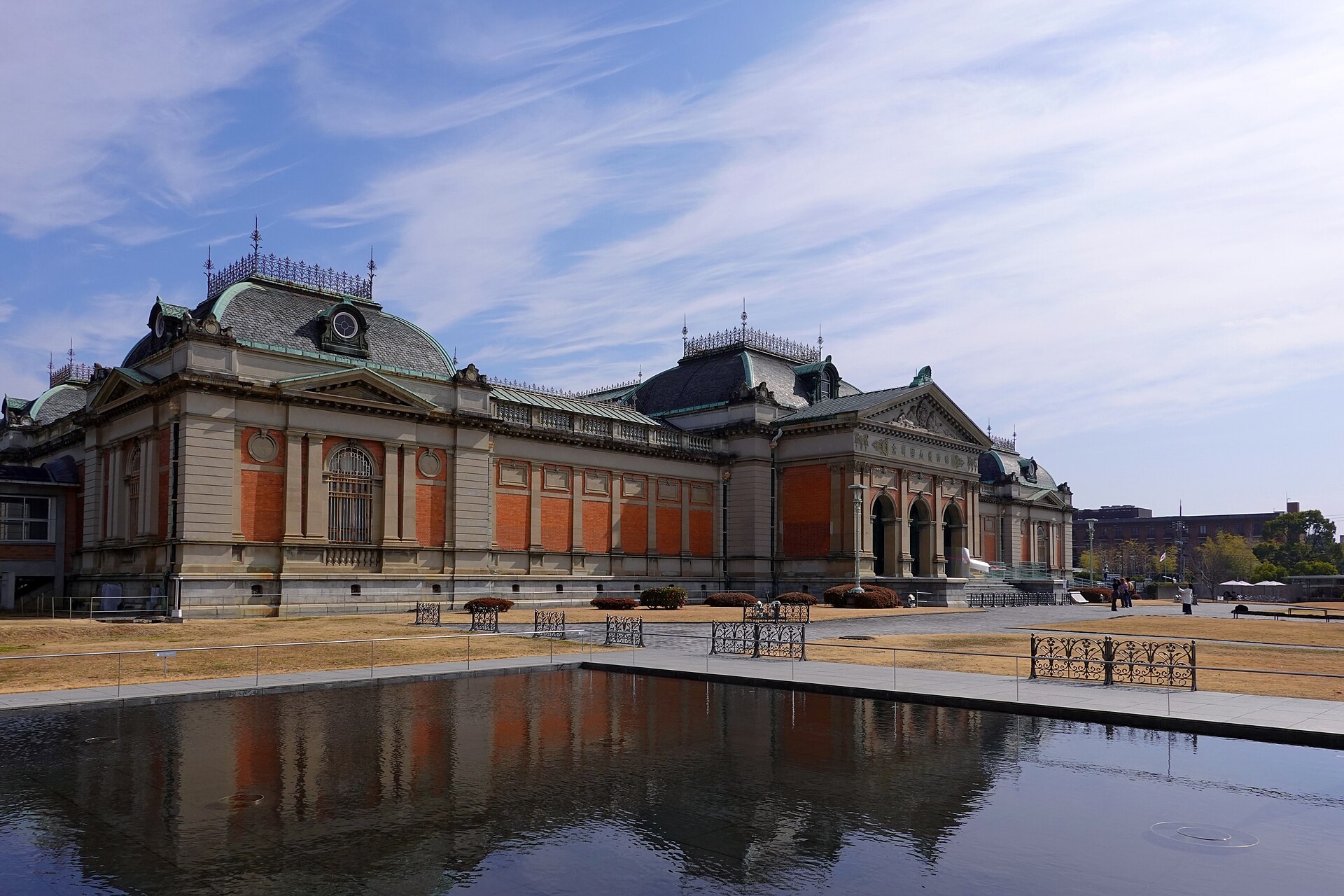
Kyoto National Museum

Kyoto National Museum

Kyoto National Museum

Opened in 1897, Kyoto National Museum houses historic Japanese art especially connected to Kyoto’s temples and cultural history.

A closer look

Its Meiji-era brick building and modern galleries sit near Shichijō in southern Higashiyama. Allow a half day to explore, and check which galleries and exhibitions are open.

Central / Okazaki

Museums, gardens and a quieter temple afternoon.

Shōren-in

Shōren-in

Shōren-in

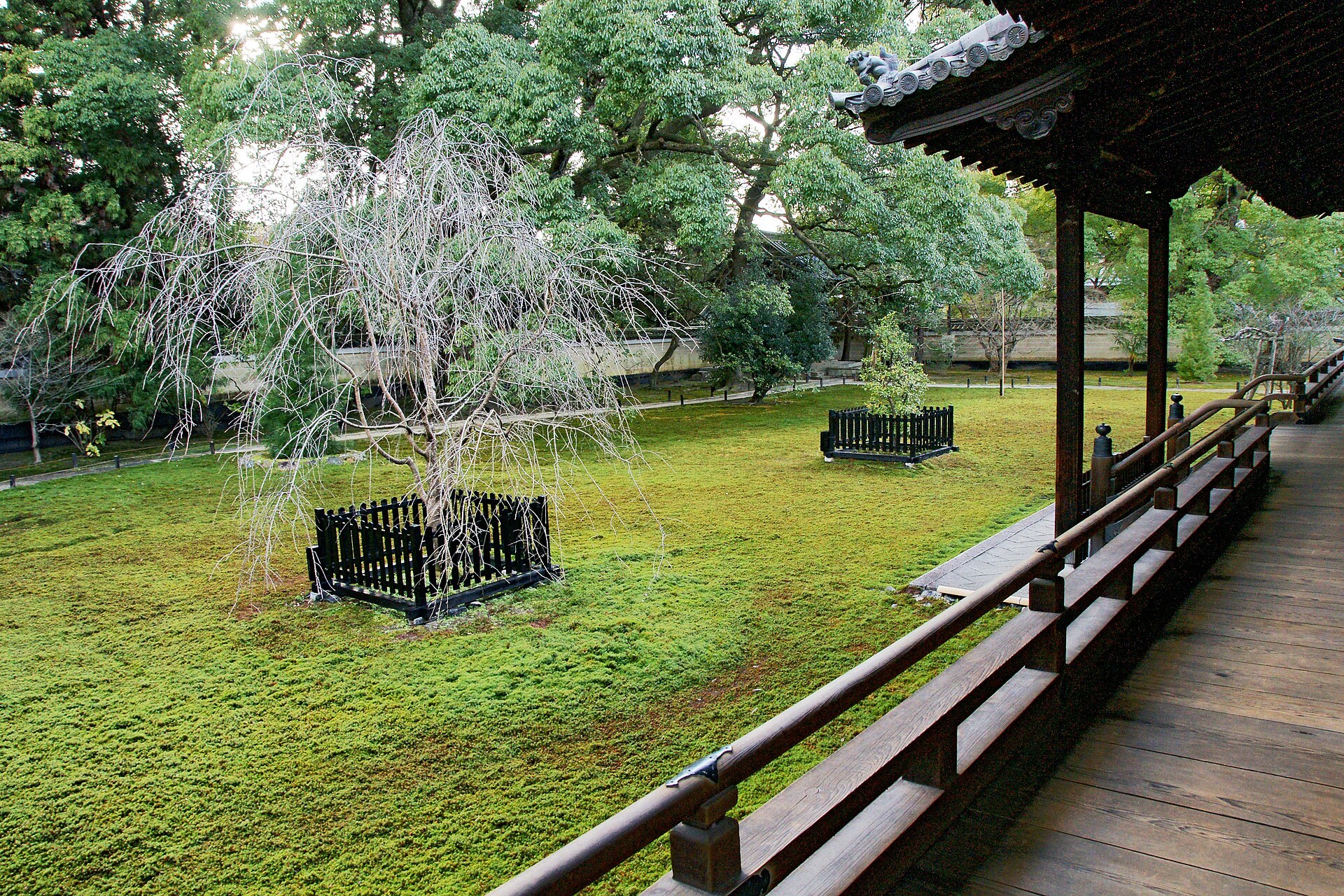
An imperial-connected Tendai temple whose roots reach back to Mount Hiei. Its gardens and the rooms looking onto them invite a quieter visit than the famous streets farther south.

A closer look

Sit for a while, then continue towards Okazaki; this is a place to enjoy rather than simply pass through.

Heian Jingū

Heian Jingū

Heian Jingū

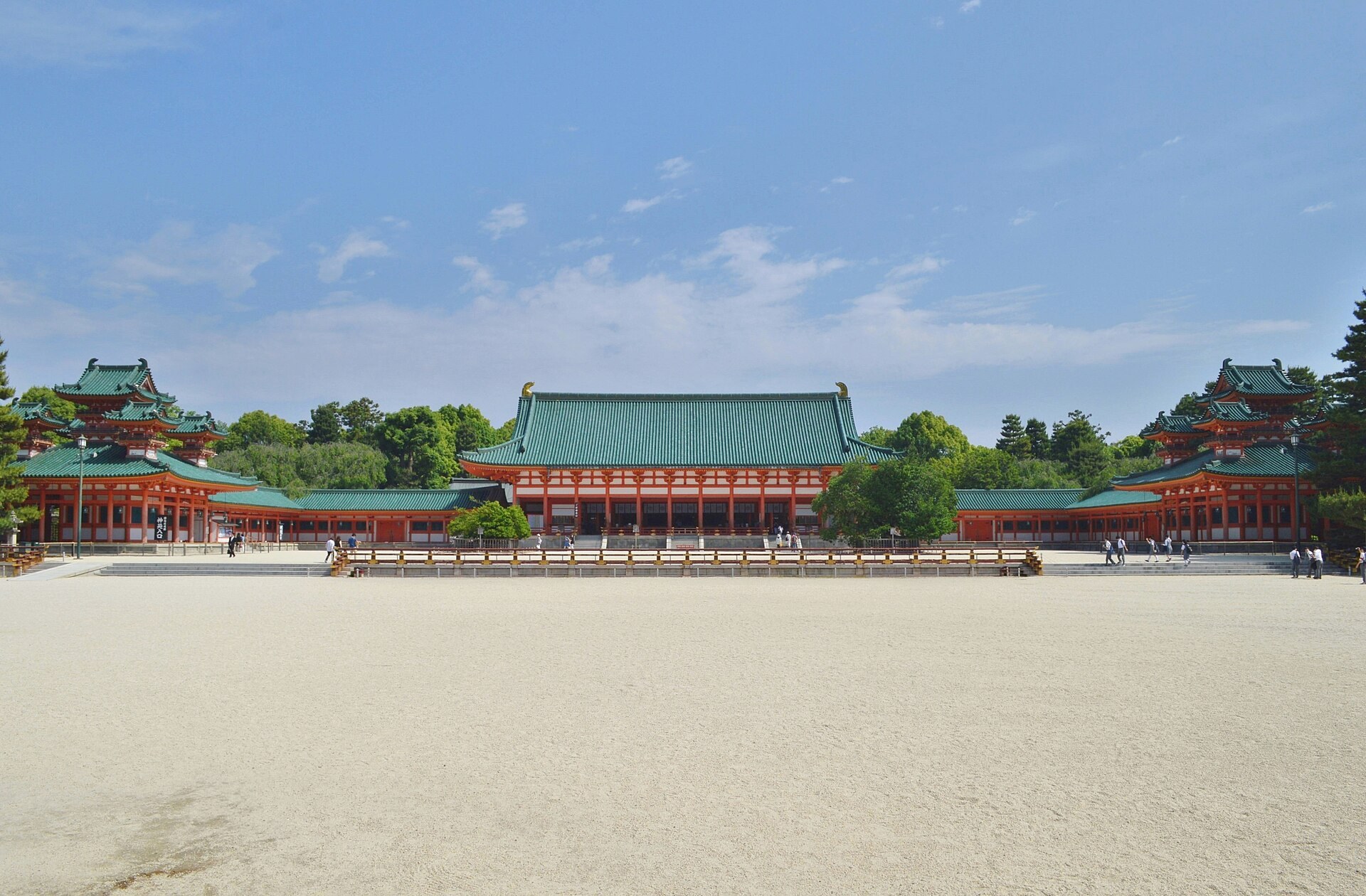
Founded in 1895 for the 1,100th anniversary of Kyoto’s establishment as the capital, the shrine deliberately recalls the architecture of the old imperial palace.

A closer look

The great courtyard and the garden behind it feel quite different: leave time for the garden if you want the slower experience.

National Museum of Modern Art, Kyoto

National Museum of Modern Art, Kyoto

National Museum of Modern Art, Kyoto

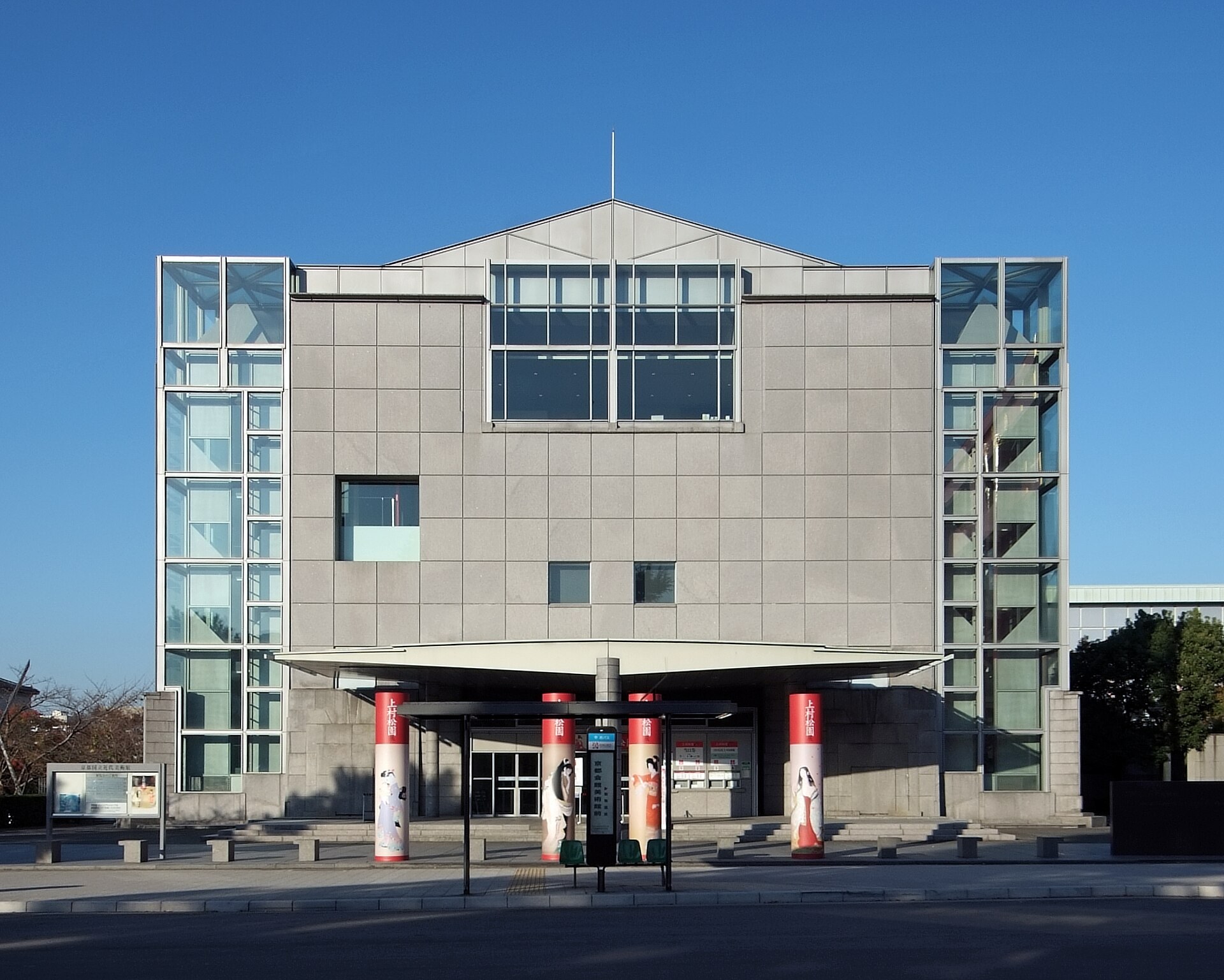
MoMAK has been collecting and exhibiting modern art since 1963, with a strong relationship to Kyoto and western Japan. Its current Fumihiko Maki building opened in 1986.

A closer look

Choose an exhibition that interests you, rather than assuming the collection alone will be on display.

Kyoto City KYOCERA Museum of Art

Kyoto City KYOCERA Museum of Art

Kyoto City KYOCERA Museum of Art

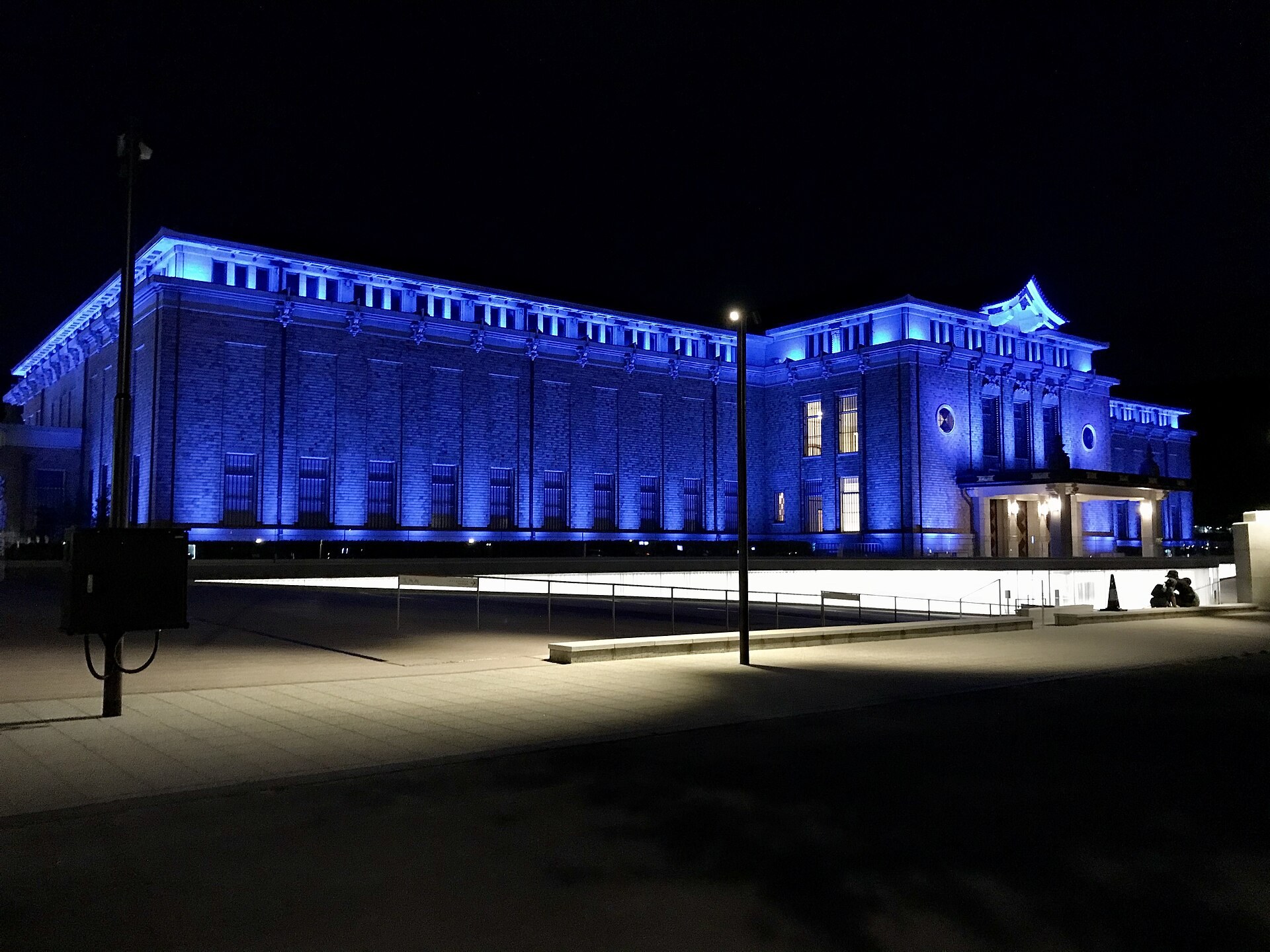
The museum opened in 1933 and its 2020 renewal combines the historic building with contemporary spaces. Architecture, the garden and the programme all justify a visit.

A closer look

It is across the road from MoMAK, but two museums deserve more than a rushed hour.

Nanzen-ji

Nanzen-ji

Nanzen-ji

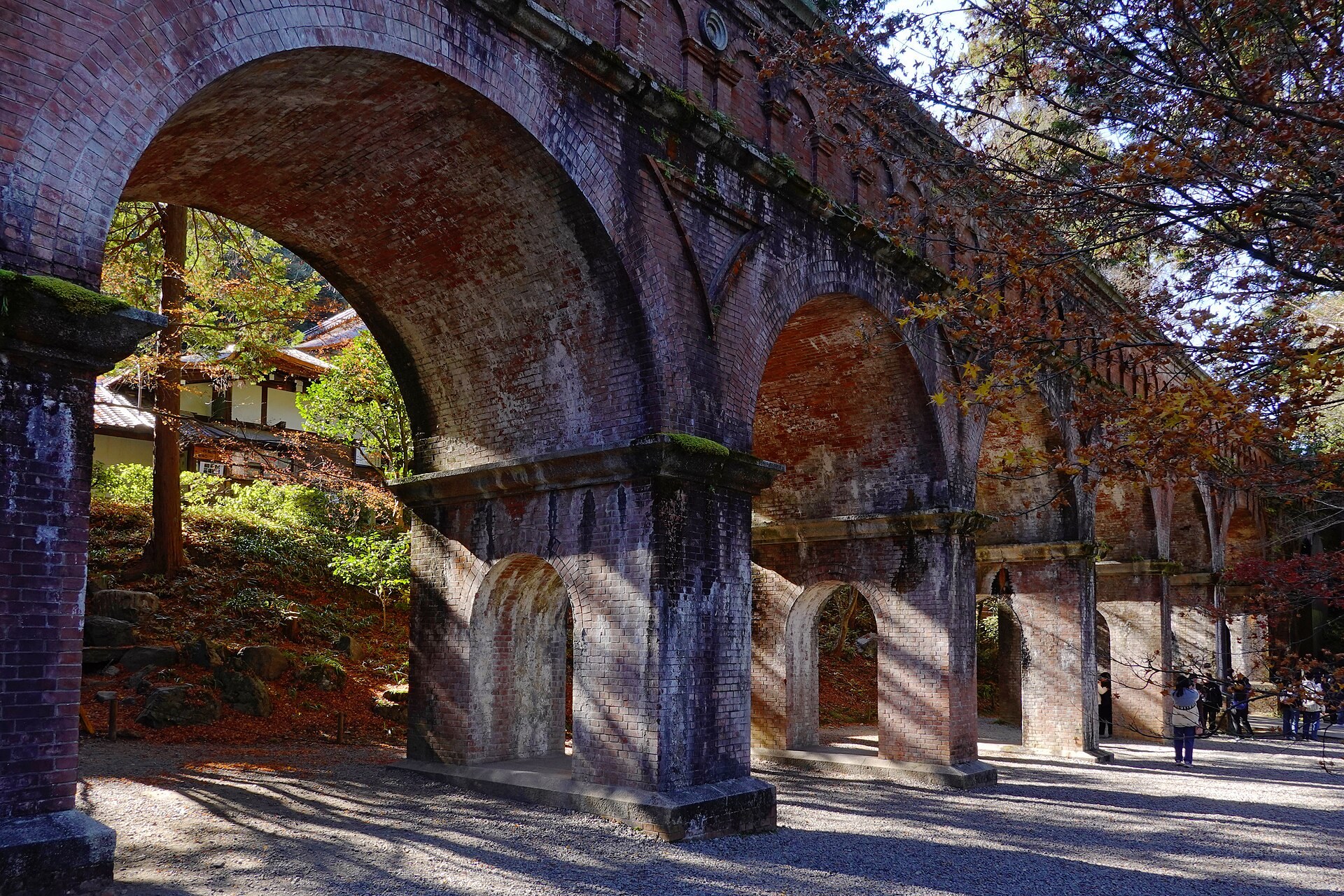
Founded in 1291 on a former imperial retreat, this Zen complex places monumental architecture beside intimate gardens.

A closer look

Its brick aqueduct belongs to the much later Lake Biwa Canal project. Choose one or two paid interiors, then walk under the aqueduct; each part of the precinct has its own visiting arrangements.

North

Yoshida, Ginkaku-ji and paths towards the mountain.

Yoshida Shrine & Yoshida-yama

Yoshida Shrine & Yoshida-yama

Yoshida Shrine & Yoshida-yama

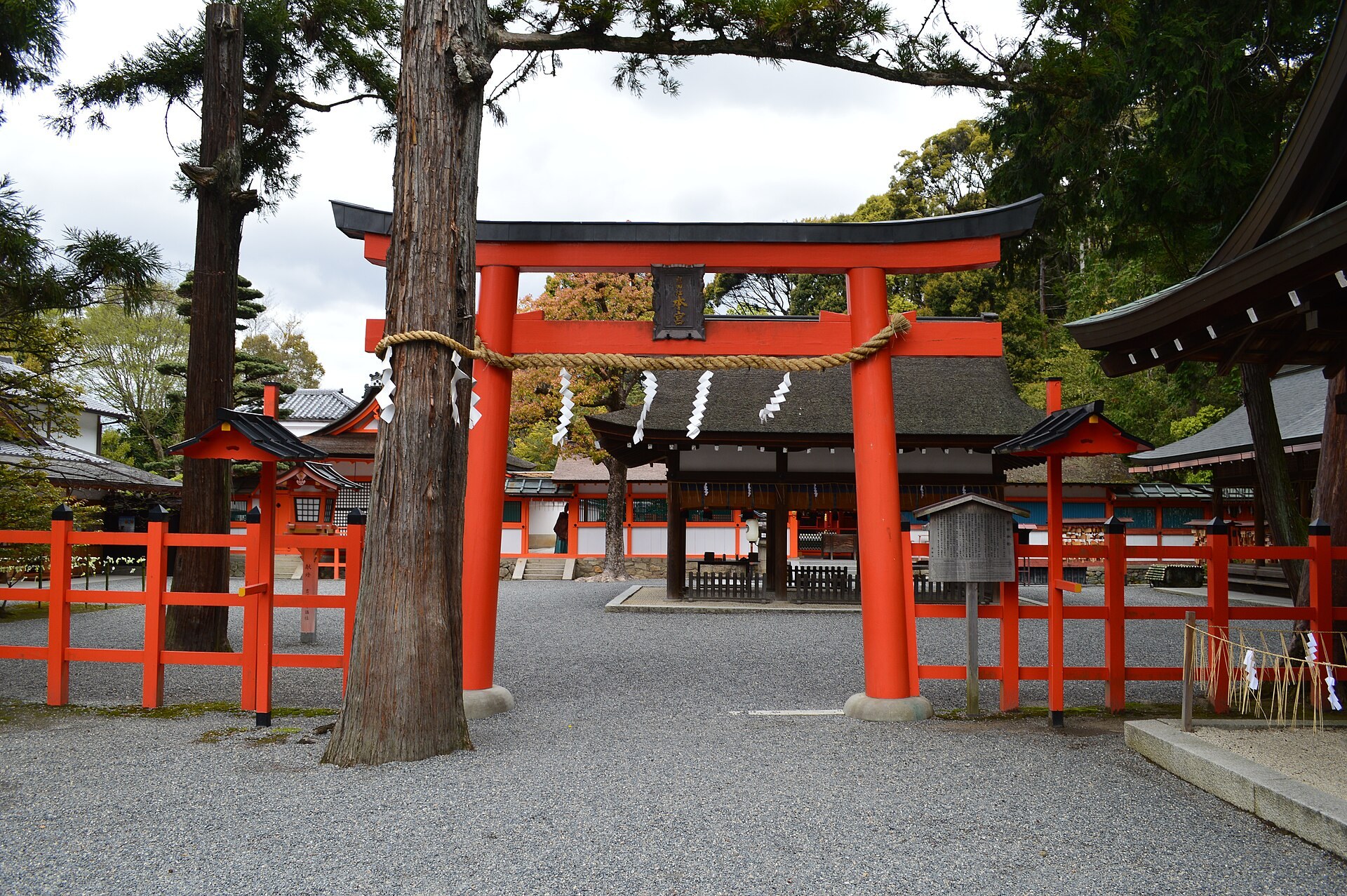
Founded in 859, the shrine later became a centre of Yoshida Shinto under Yoshida Kanetomo.

A closer look

Walk up through the wooded precinct behind Kyoto University, then continue onto Yoshida-yama. Mo-an is on the hill near the summit, rather than inside the shrine: a lovely place to stop for tea when open.

The Philosopher’s Path

The Philosopher’s Path

The Philosopher’s Path

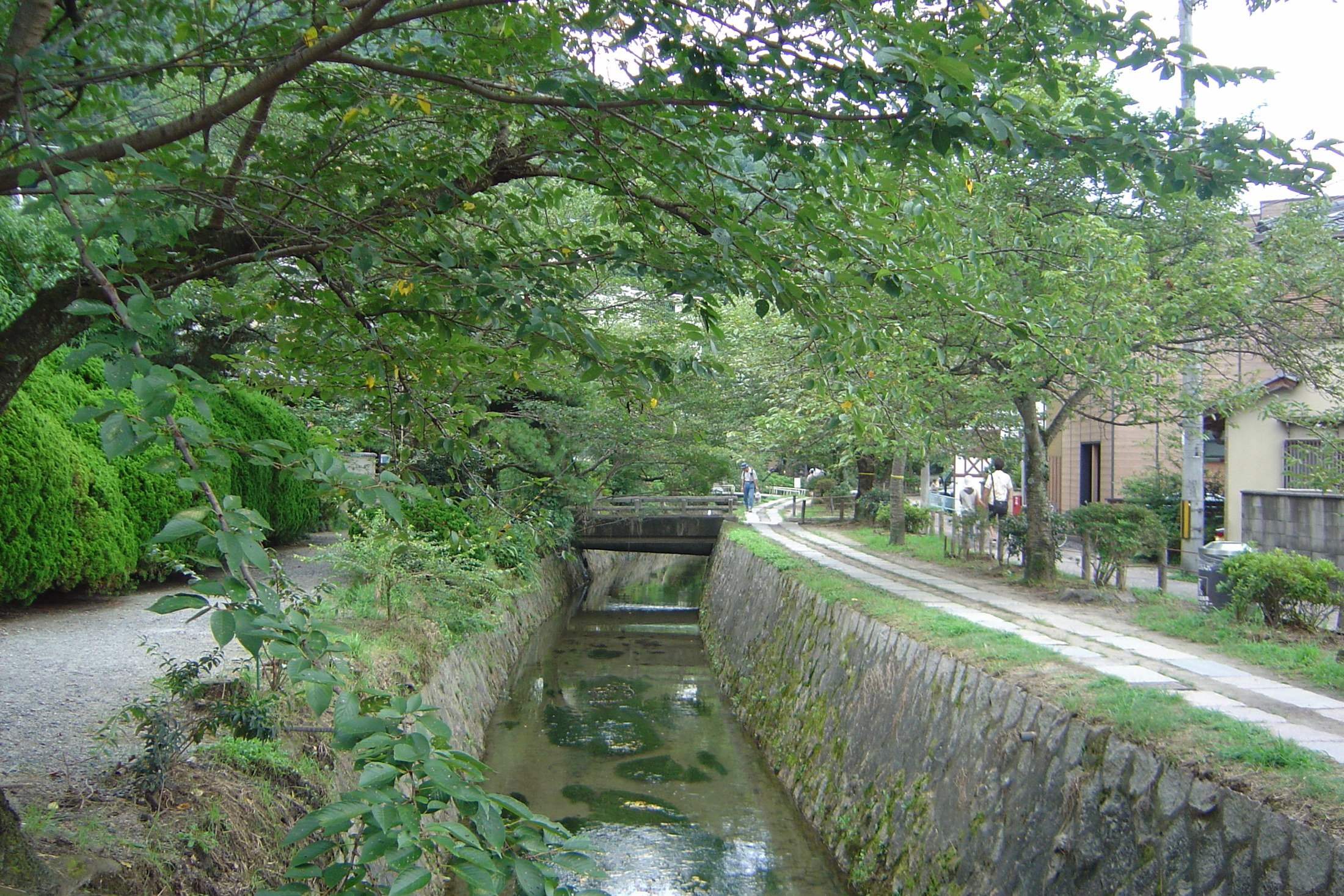
The canal-side path takes its name from philosopher Nishida Kitarō, who walked in this part of Kyoto. The canal itself belongs to the city’s modern infrastructure.

A closer look

Walk a section slowly, looking down the small side streets, rather than treating the entire length as a mandatory connection.

Ginkaku-ji

Ginkaku-ji

Ginkaku-ji

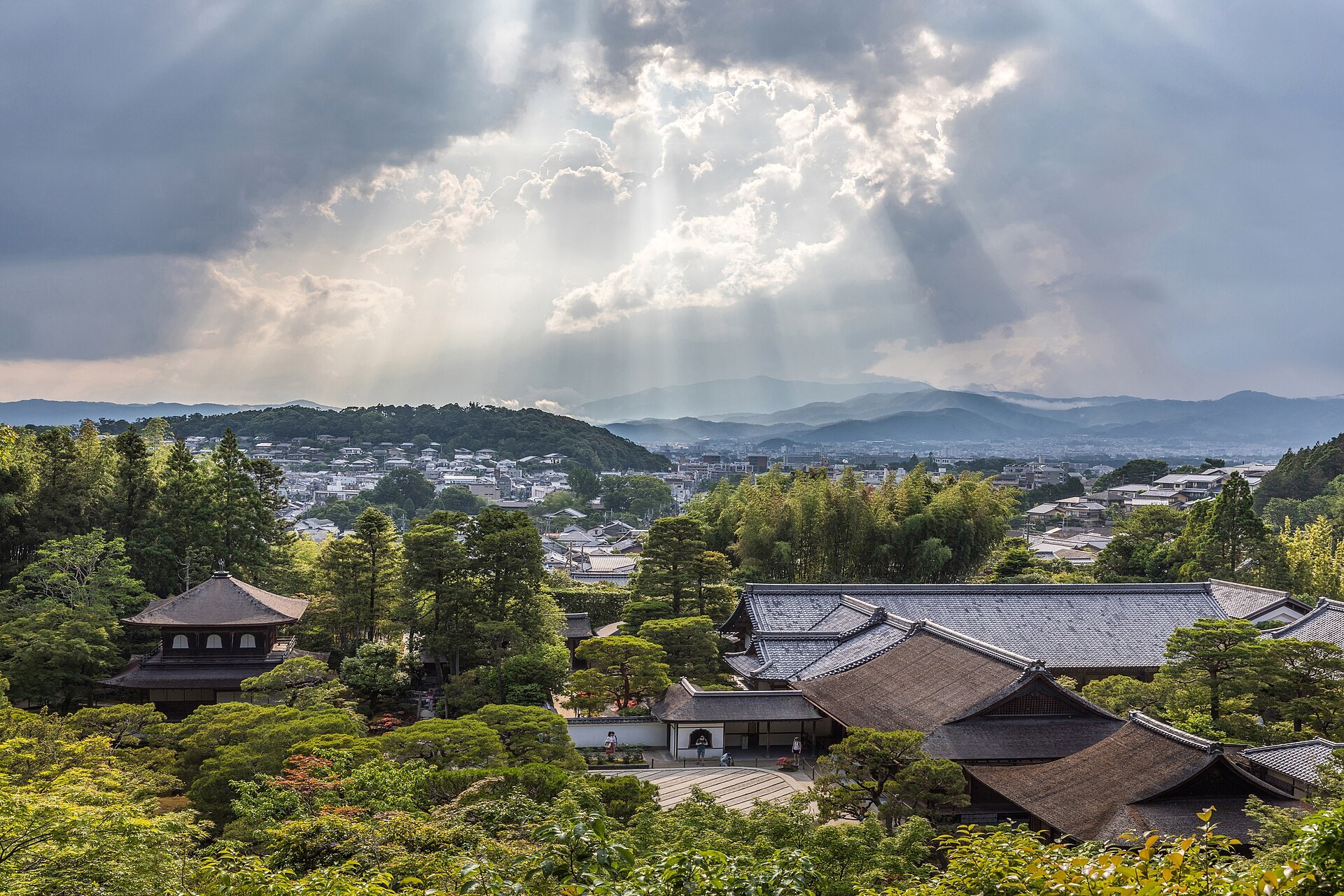
Ashikaga Yoshimasa’s fifteenth-century villa became the temple now known as the Silver Pavilion.

A closer look

Its importance lies in the culture that gathered around it as well as the pavilion itself. The sand garden and hillside path make a visit much richer than a single photograph of the building.

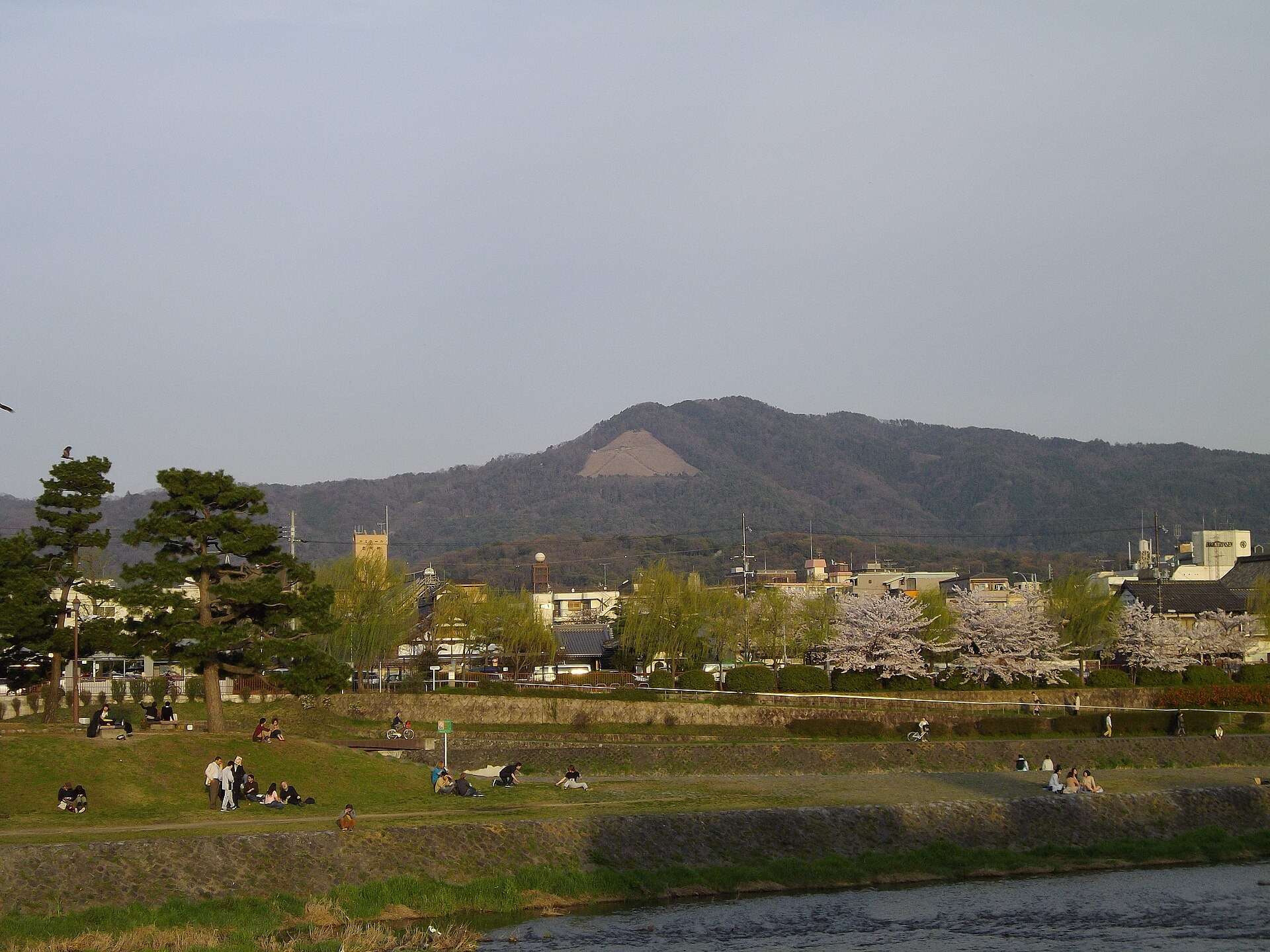
Daimonji

Daimonji

Daimonji

The great 大 fire bed is part of Gozan Okuribi, the August 16 observance marking the end of Obon. On an ordinary day, the walk above Ginkaku-ji offers a broad view across Kyoto.

A closer look

This is a mountain path with steep steps: take water, proper shoes and a weather-appropriate plan, and respect any seasonal access restrictions.

Food in Higashiyama

AT THE TABLE

A pause on the eastern slopes.

Tofu, udon, bakeries and small cafés between temples and neighbourhood walks.

01 / UDON / NEAR GINKAKU-JI

Ikazuchi Udon

A small udon lunch near the northern university district.

02 / VEGAN / JŌDO-JI

Kousagisha

Vegetable-led cooking above the gallery in Jōdo-ji, with a seasonal plate that makes lunch feel like a proper part of the day.

03 / OKONOMIYAKI / NEAR EIKAN-DŌ

Okonomiyaki Zen

A sit-down okonomiyaki lunch near Eikan-dō and the southern end of the Philosopher’s Path.

04 / SEASONAL JAPANESE / SHIRAKAWA

Tan

Seasonal cooking beside the Shirakawa canal. A good choice when you want breakfast or lunch to have its own place in the itinerary; check the current sittings.

05 / A DRINK / HIGASHIYAMA

wine & beer ESTRE

An evening drink near Higashiyama Station, in Minamisaikaishichō. Keep it for the end of an Okazaki or central Higashiyama day, with enough time to settle in.

06 / BAKERY / HIGASHIYAMA

Le Bac à Sable

Pick up breakfast or pause for something baked before heading into the temple district.

07 / A CONSIDERED MEAL / MARUTAMACHI

/s/ Kawahigashi

Keep this for a meal near the river before or after exploring Yoshida. Confirm the current menu and reservation arrangements directly.

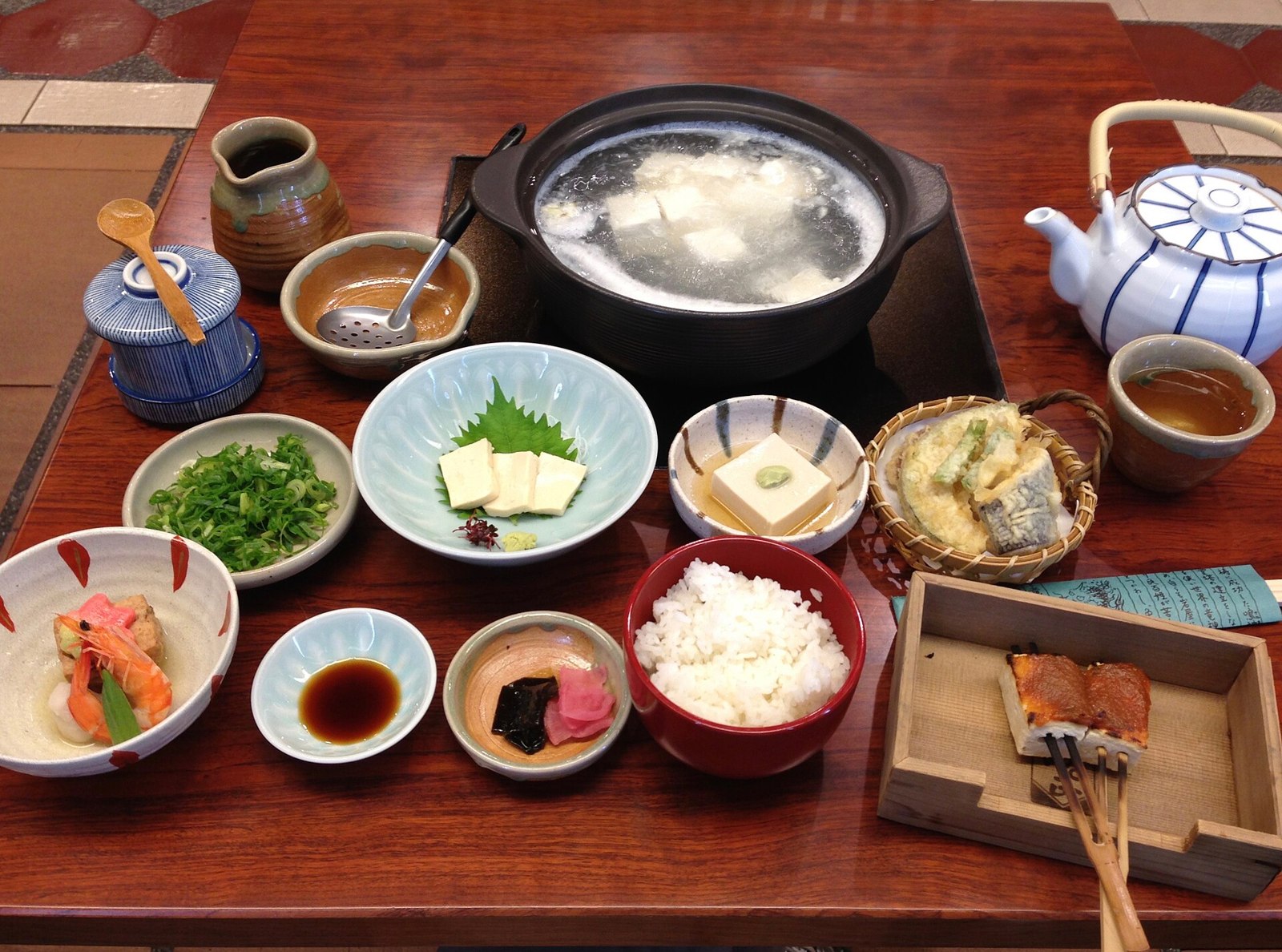
08 / TOFU / PHILOSOPHER’S PATH

Yudofu Kisaki

Yudofu—gently warmed tofu—makes a fitting lunch near the Philosopher’s Path. Kisaki also serves sesame tofu and other accompaniments.
SHAPE YOUR DAYS

An early start. A slower afternoon.

A sample stay, with room to linger.

  1. 07:00

    Kiyomizu before the rush

    Start at the temple, then descend through Sannenzaka and Ninenzaka while you can still see the streets clearly.

  2. 09:30

    Kōdai-ji and a quieter lane

    Allow an hour for the temple and gardens. Ryozen Kannon is a nearby alternative or addition if you want a shorter day.

  3. 12:00

    Lunch around Higashiyama

    Reserve Tan if it is your chosen lunch; otherwise take a bakery pause and continue at your own pace.

  4. 13:30

    Shōren-in, then choose

    Visit the garden, then choose either one Okazaki museum or Nanzen-ji. Both together would turn this into a long afternoon.

  5. Another day

    Yoshida to Ginkaku-ji

    Begin at Yoshida Shrine, climb to Mo-an, have lunch around the northern district and visit Ginkaku-ji.

FROM THE ARCHIVE

A story to take with you.

FIND YOUR WAY

Higashiyama, on the map.

Kyoto transport information

Open in Google Maps

🔵 Sights 🟠 Food & drinks ⚫ Transport

Loading places on the map…

ANOTHER PART OF THE CITY

Keep exploring Kyoto.

Return to the Kyoto city profile

MAKE IT YOUR JOURNEY

Find your own Kyoto.

Build a journey around the places and experiences that interest you.

Plan your journey