Begin with the people and stories of the atomic bombing. Stay for the rivers, gardens and everyday life of the city people rebuilt.
The story behind the place
Hiroshima deserves time. Begin with the people whose lives were changed or ended by the atomic bombing, and give yourself space to listen to their stories. Then stay long enough to walk beside the rivers, sit at an okonomiyaki counter and get a feel for the city people call home.
The city developed around the castle Mōri Terumoto began building in 1589, on the delta of the Ōta River. Trade along the Inland Sea helped it grow; in modern Japan it also became an important military centre. On 6 August 1945, the United States dropped an atomic bomb on Hiroshima. The devastation, its lasting human consequences and the work of rebuilding remain central to understanding the city.
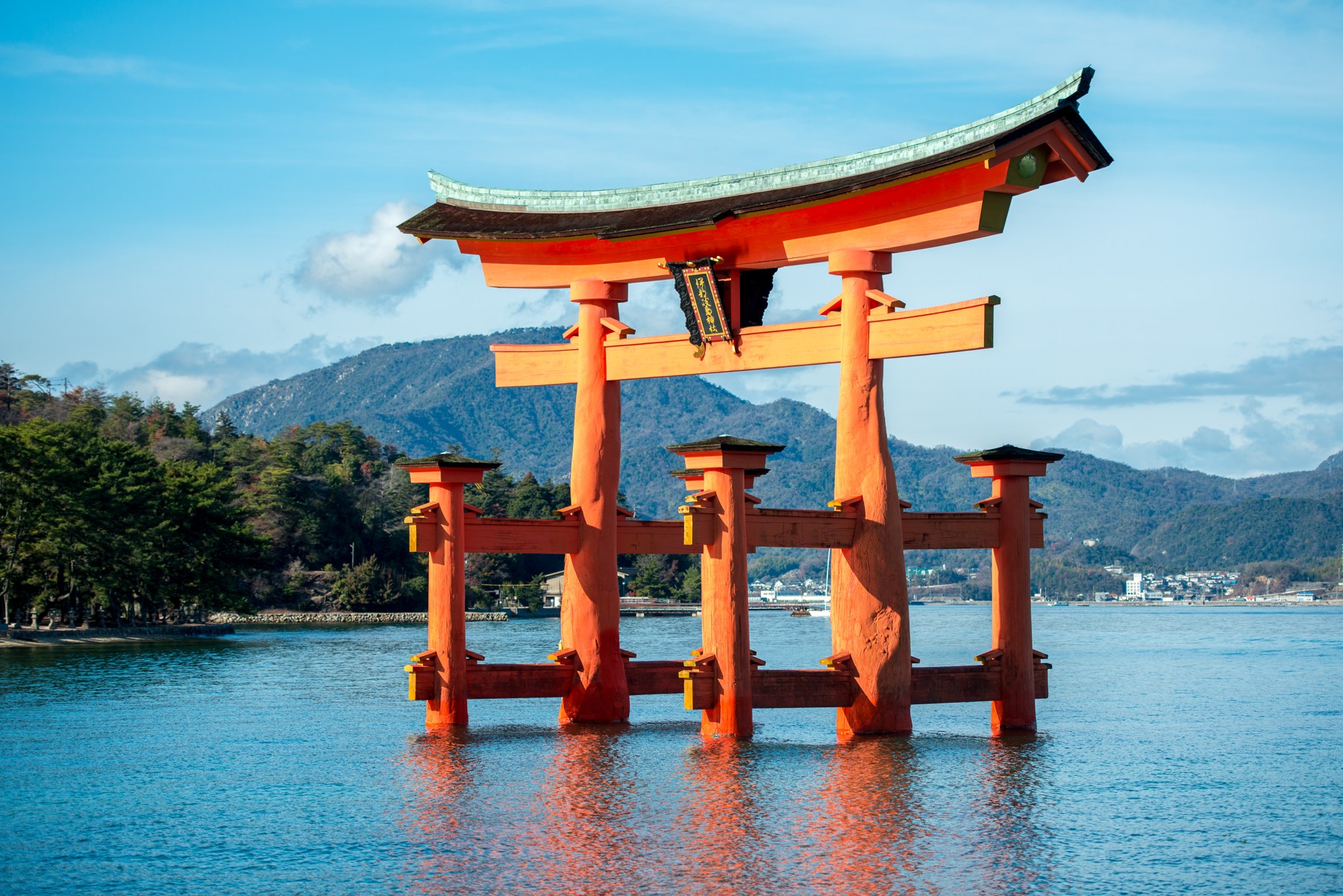
Today, trams connect shopping streets and neighbourhoods between the rivers. There are gardens to wander, art to spend an afternoon with and wooded temple grounds a short journey away. I would allow two days for Hiroshima itself, adding another for Miyajima if you can. That leaves room for both the history and the experience of being here.
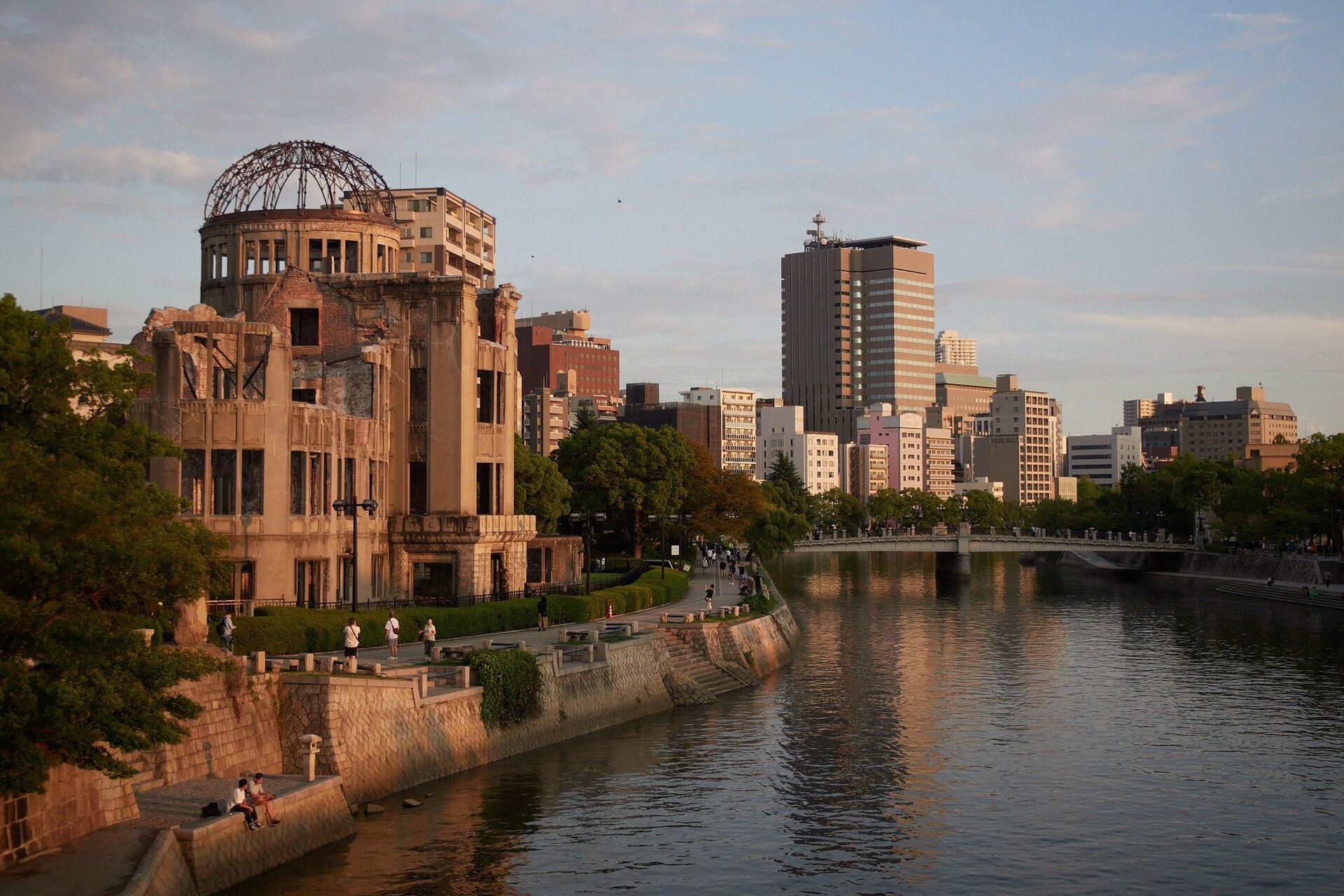
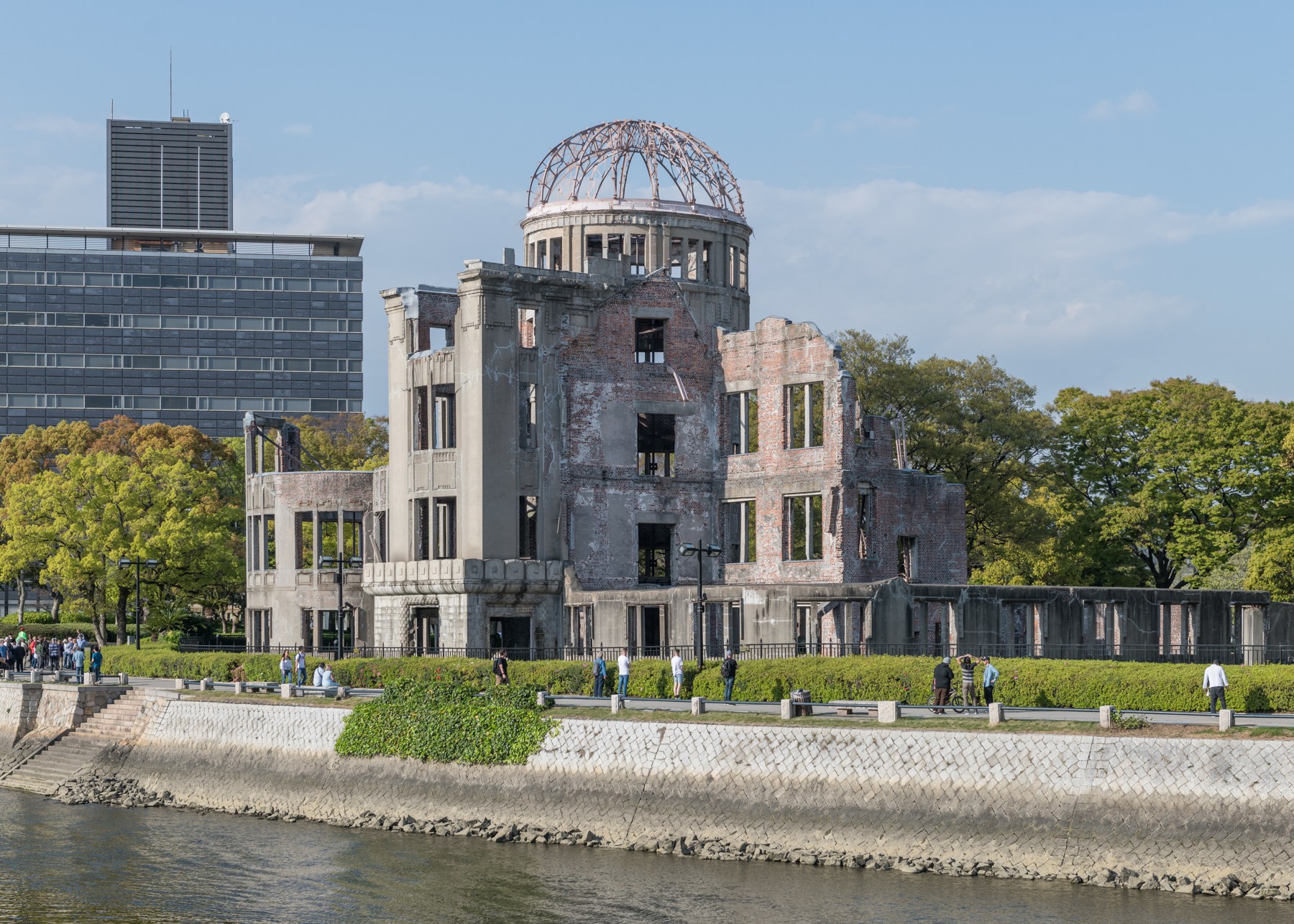
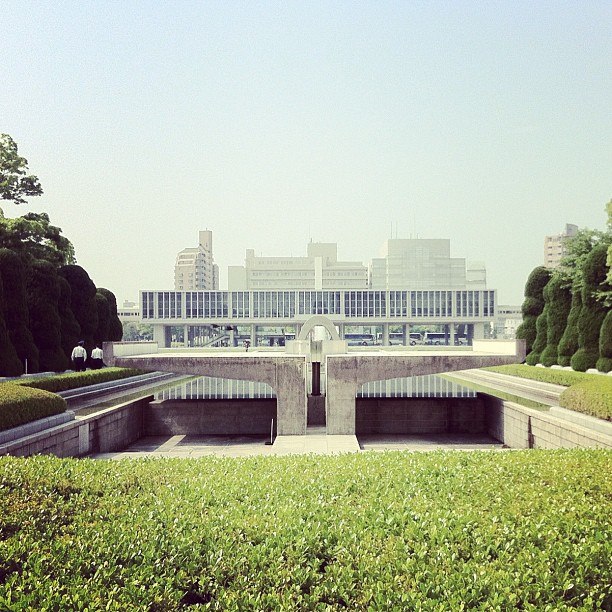
Personal belongings and testimony convey the human consequences of the atomic bombing; outside, the Cenotaph, Children’s Peace Monument and Atomic Bomb Dome offer places to pause. The Hiroshima National Peace Memorial Hall for the Atomic Bomb Victims adds individual names and accounts. Leave some unplanned time afterwards for a quiet walk along the river.
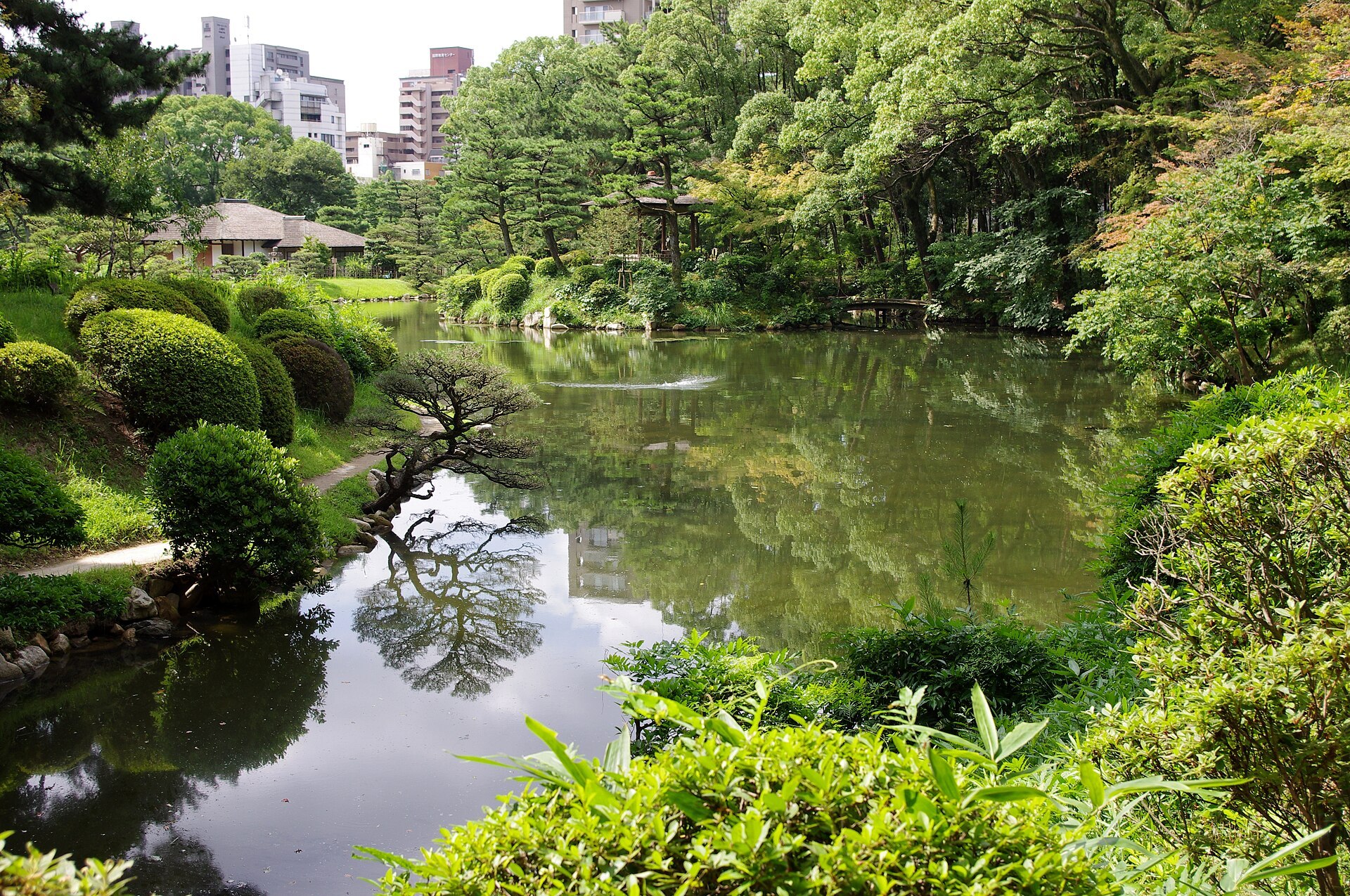
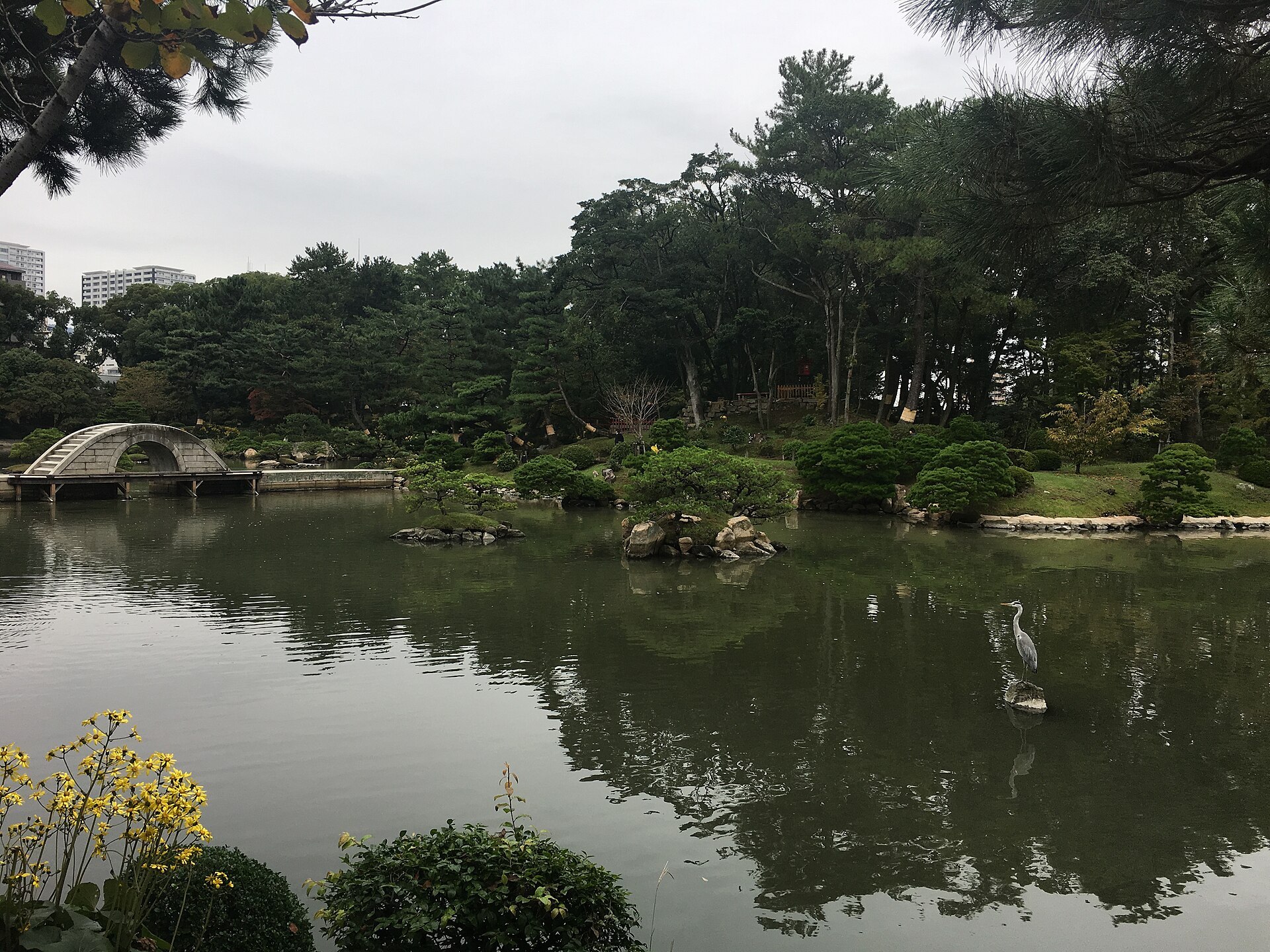
Created in 1620 for the Asano family, Shukkeien brings ponds, small hills, islands and bridges into a compact strolling garden.
A closer look
Follow the path slowly: the view changes as you cross the bridges and turn around the water. The garden was devastated in 1945 and subsequently restored. The neighbouring Hiroshima Prefectural Art Museum is an easy addition if an exhibition catches your eye.
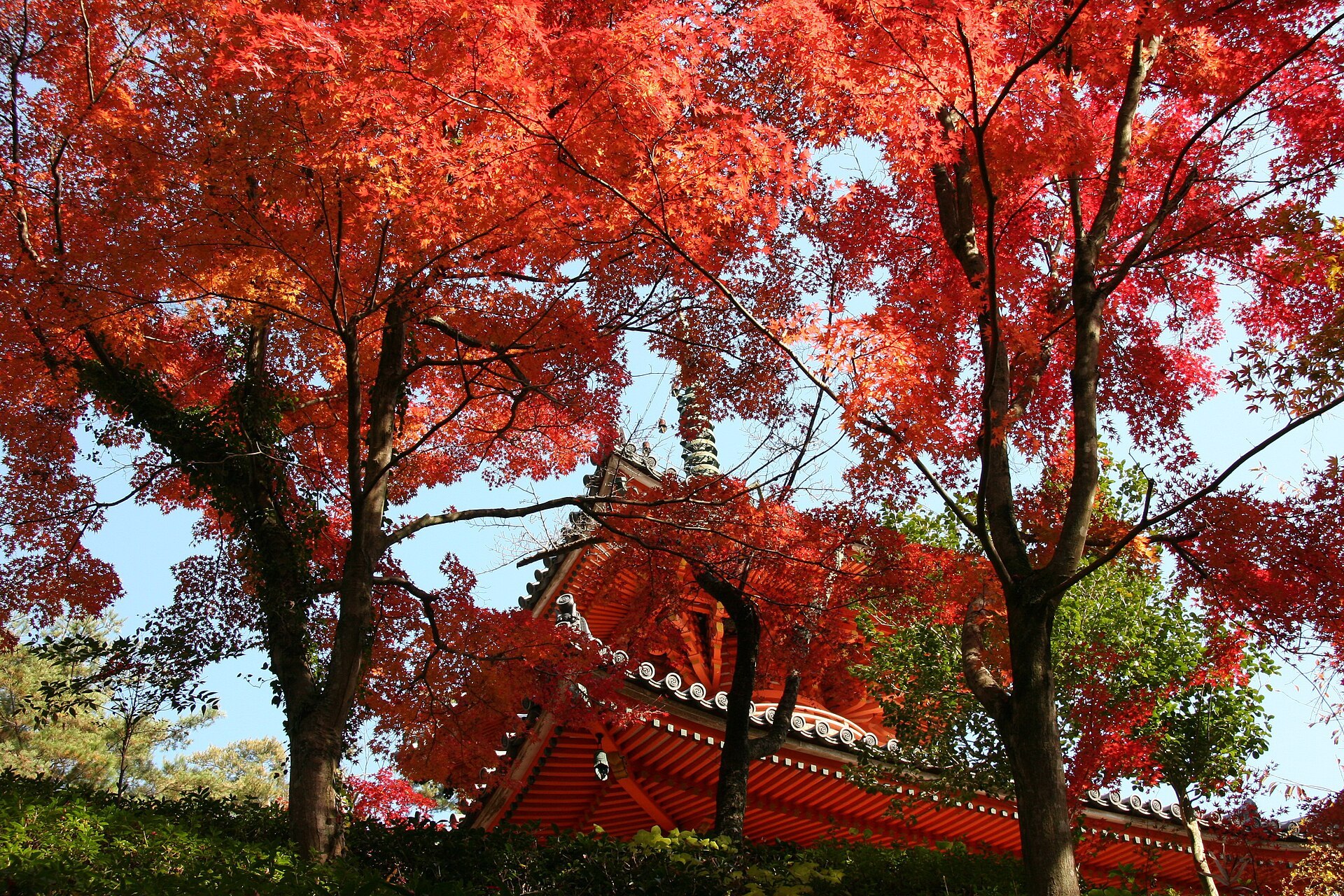
Take the Kabe Line to Mitaki and walk uphill into wooded temple grounds.
A closer look
Stone figures, moss and flowing water accompany the paths between the halls; in autumn, maples colour the hillside around the red pagoda. The temple’s history reaches back to the ninth century, and parts of the grounds were damaged by the atomic bombing. Allow a few hours for the journey and a slow exploration, including the climb from the station.
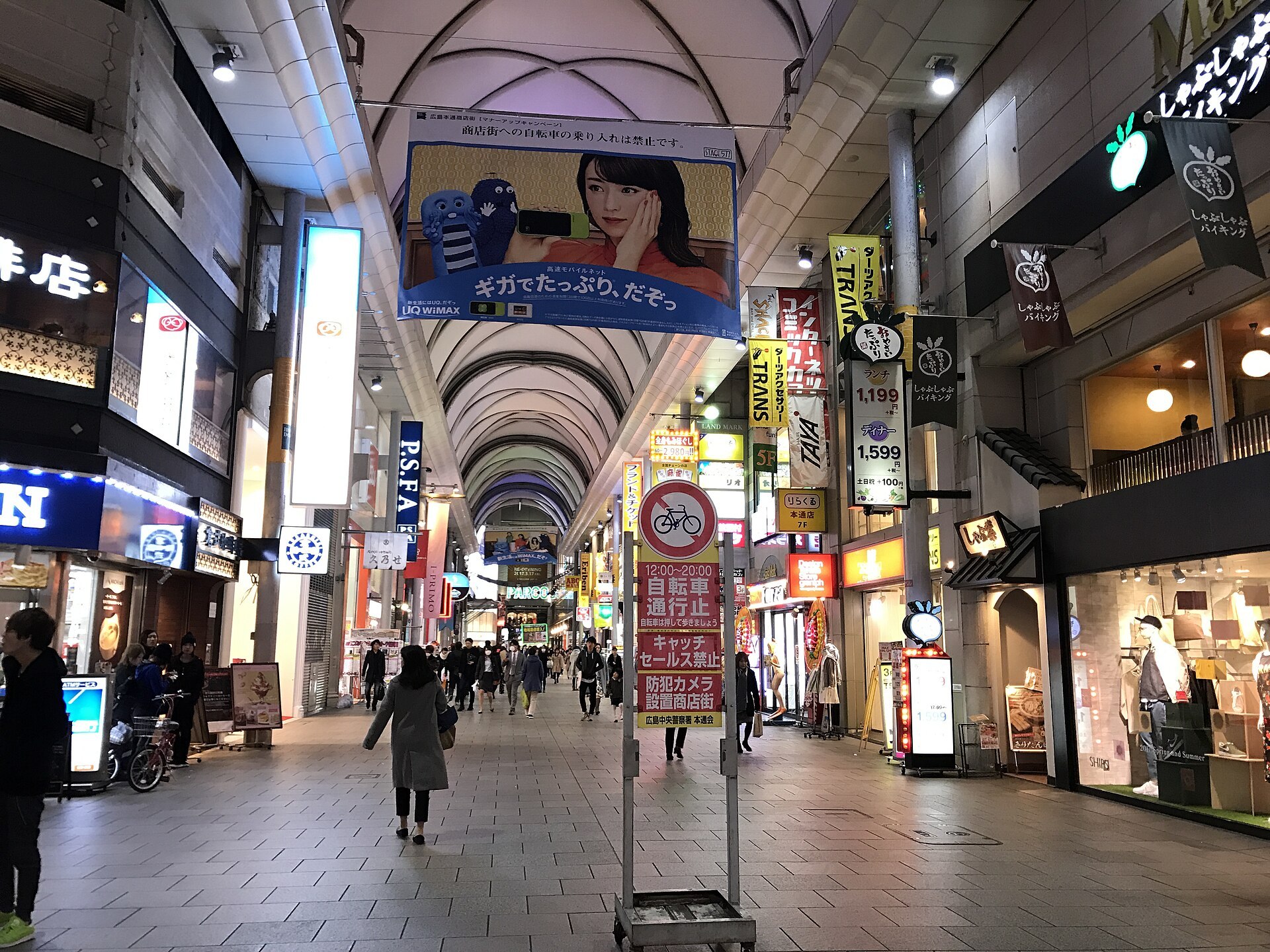
Hondori’s covered arcade runs through the city centre, with shops and busy crossings leading towards smaller streets around Fukuromachi and Shintenchi.
A closer look
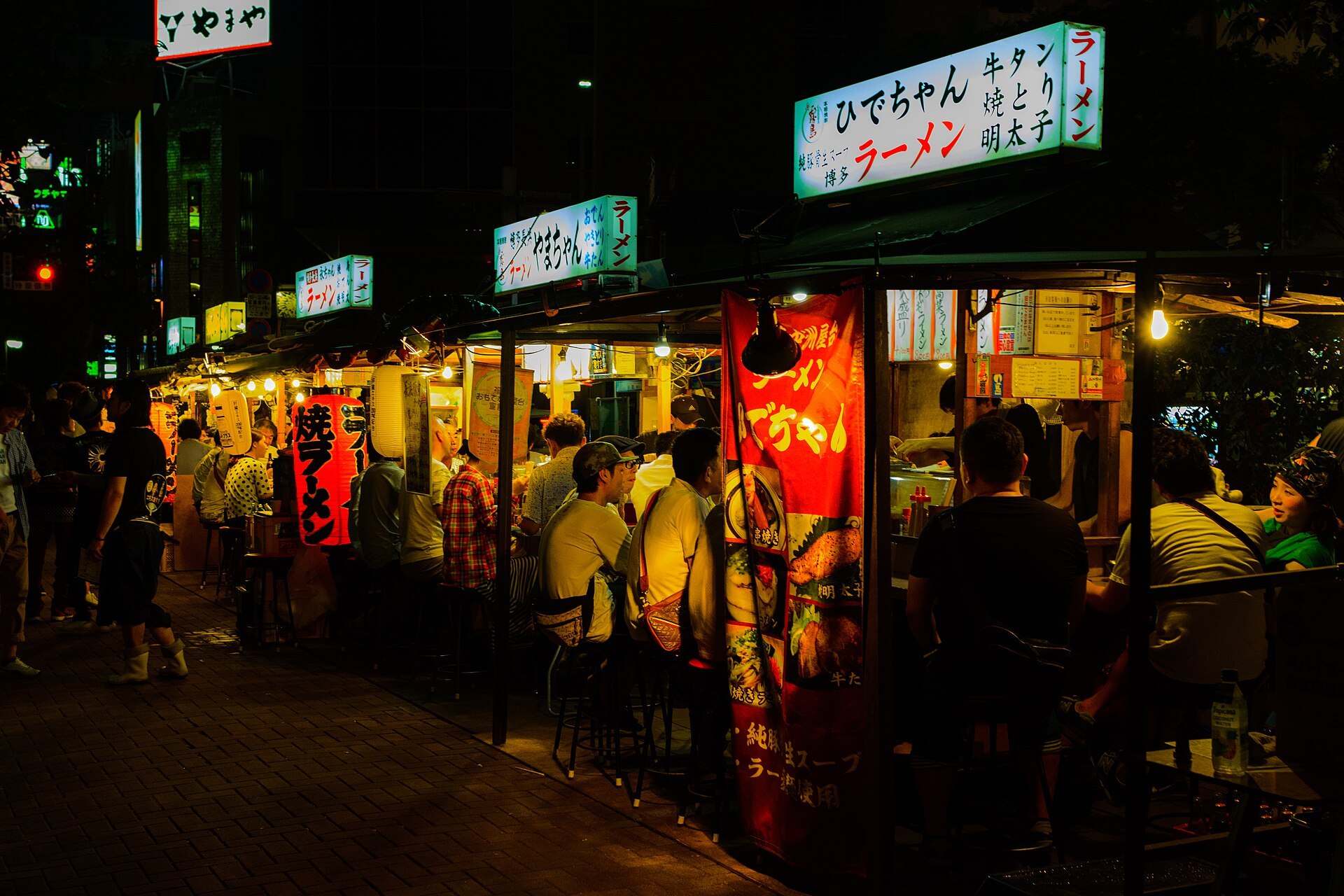
Follow a side street for a café pause, browse between meals, then return in the evening as the restaurants and bars around Nagarekawa fill up. This is an easy area to explore without a fixed route, within walking distance of Peace Memorial Park.
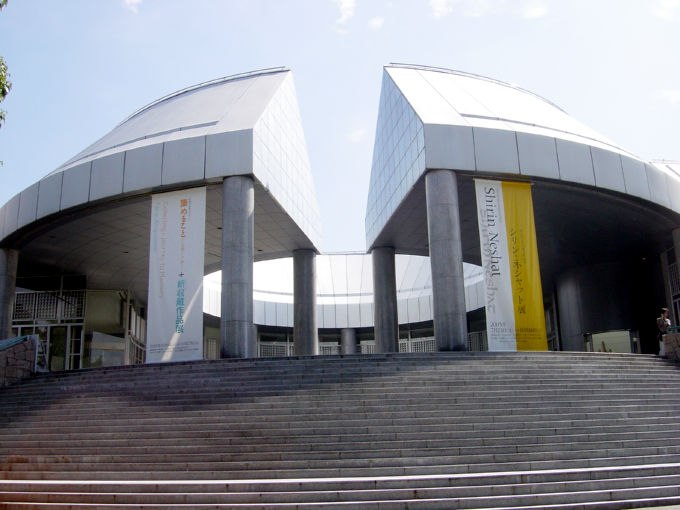
Climb into Hijiyama Park for trees, outdoor sculpture and the Hiroshima City Museum of Contemporary Art.
A closer look
Opened in 1989, the museum presents contemporary work, including art connected with Hiroshima and its memory. Give an exhibition a proper afternoon, then walk through the park before returning to the streets below. It makes a thoughtful second-day outing after the memorial sites.
Shiru-nashi tantanmen: noodles with chilli oil and Sichuan pepper. Mix thoroughly before eating; a compact, punchy lunch between the garden and city centre.
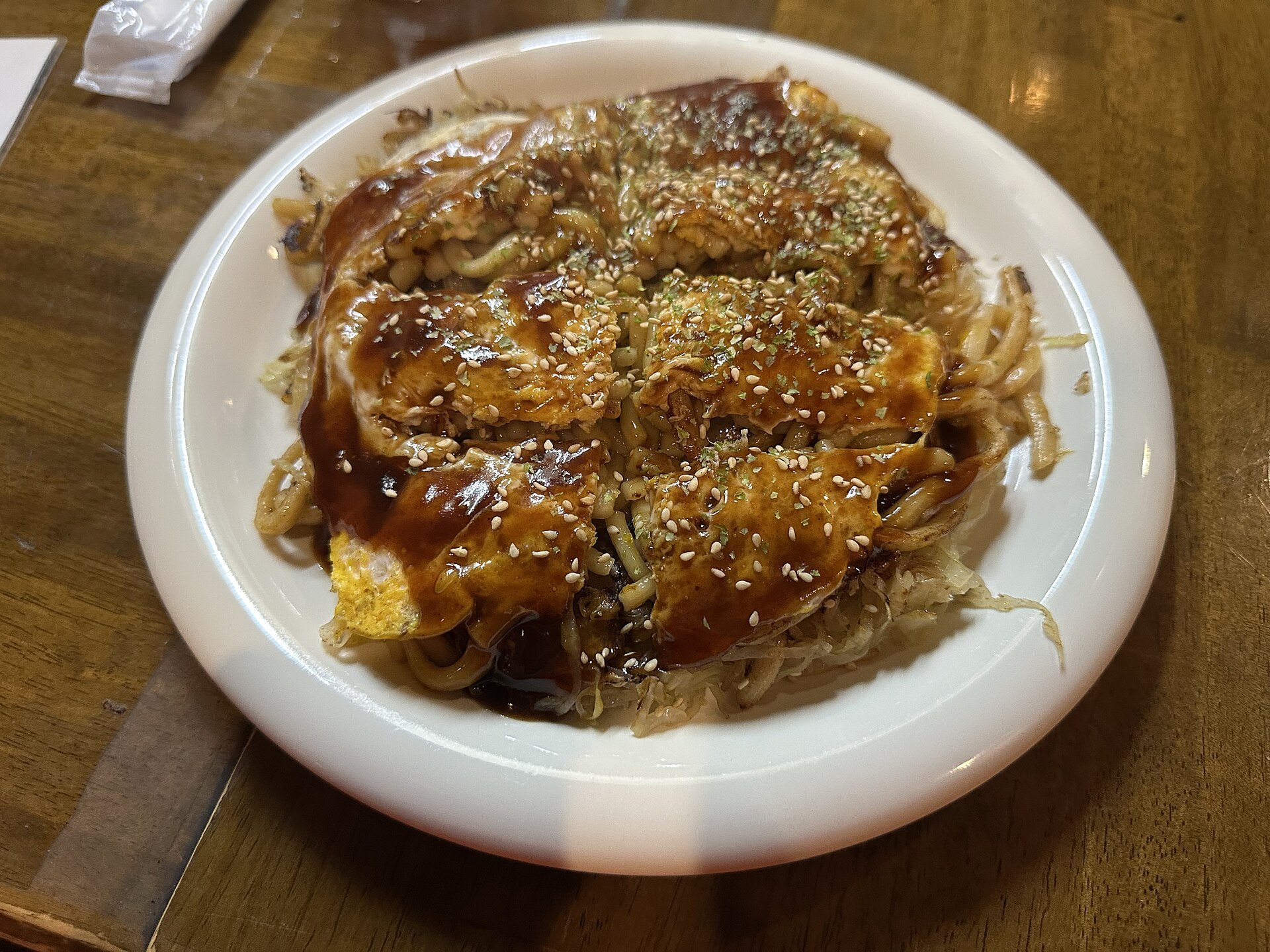
Hiroshima-style okonomiyaki is a good place to begin: thin batter, cabbage, noodles and egg built up in layers on the hot plate. Sitting at the counter lets you watch the whole thing take shape. Oysters connect the city’s table to the waters of the Inland Sea, while shiru-nashi tantanmen brings a different kind of intensity, with chilli oil and the tingling heat of Sichuan pepper.
These are four places to build into the route, from a substantial local meal to an afternoon coffee. Nagata-ya and Kunimatsu suit an informal lunch; Kanawa is the choice for a longer oyster meal by the river.
THROUGH THE YEAR
Choose your moment.
May
Hiroshima Flower Festival
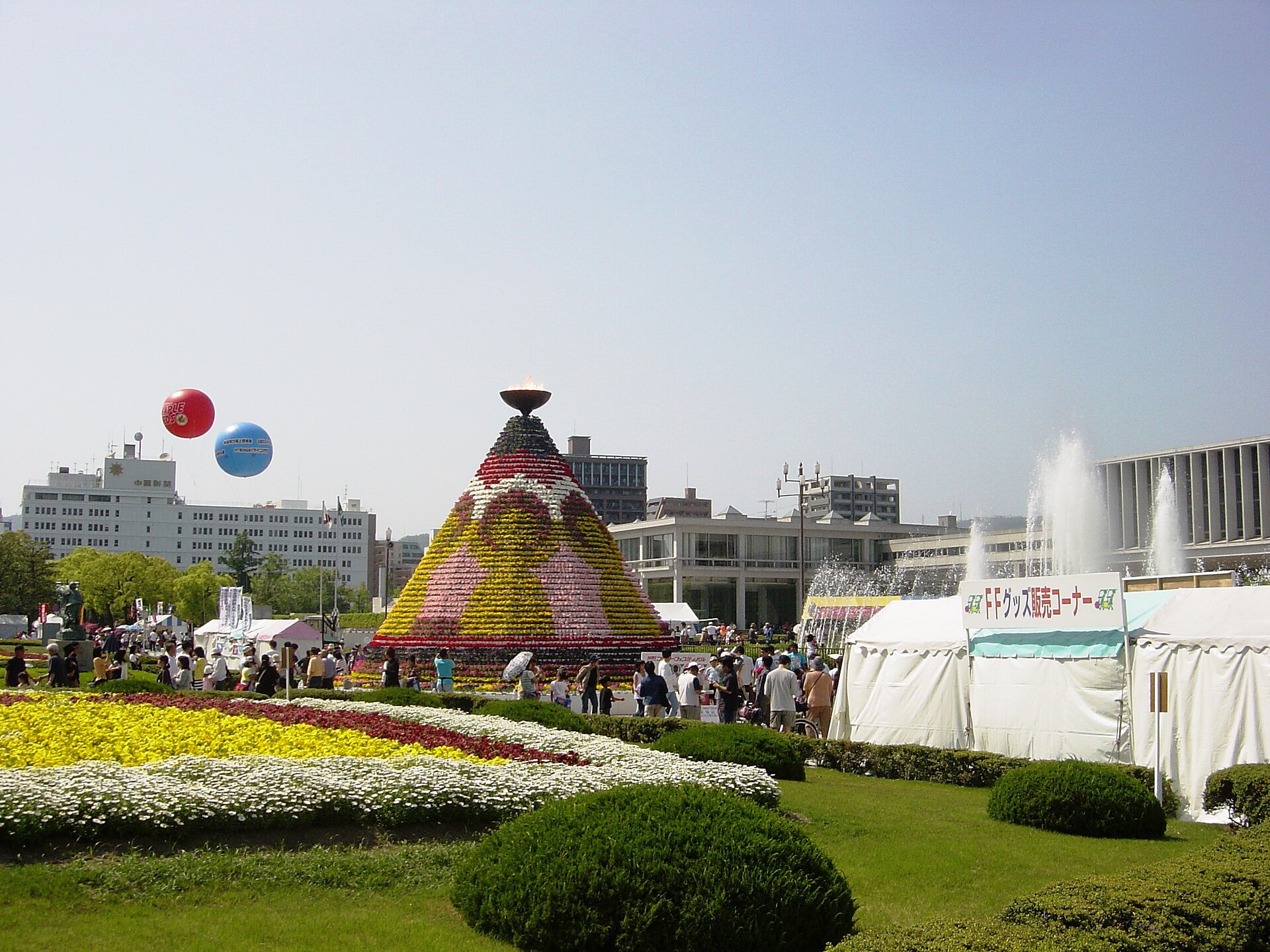
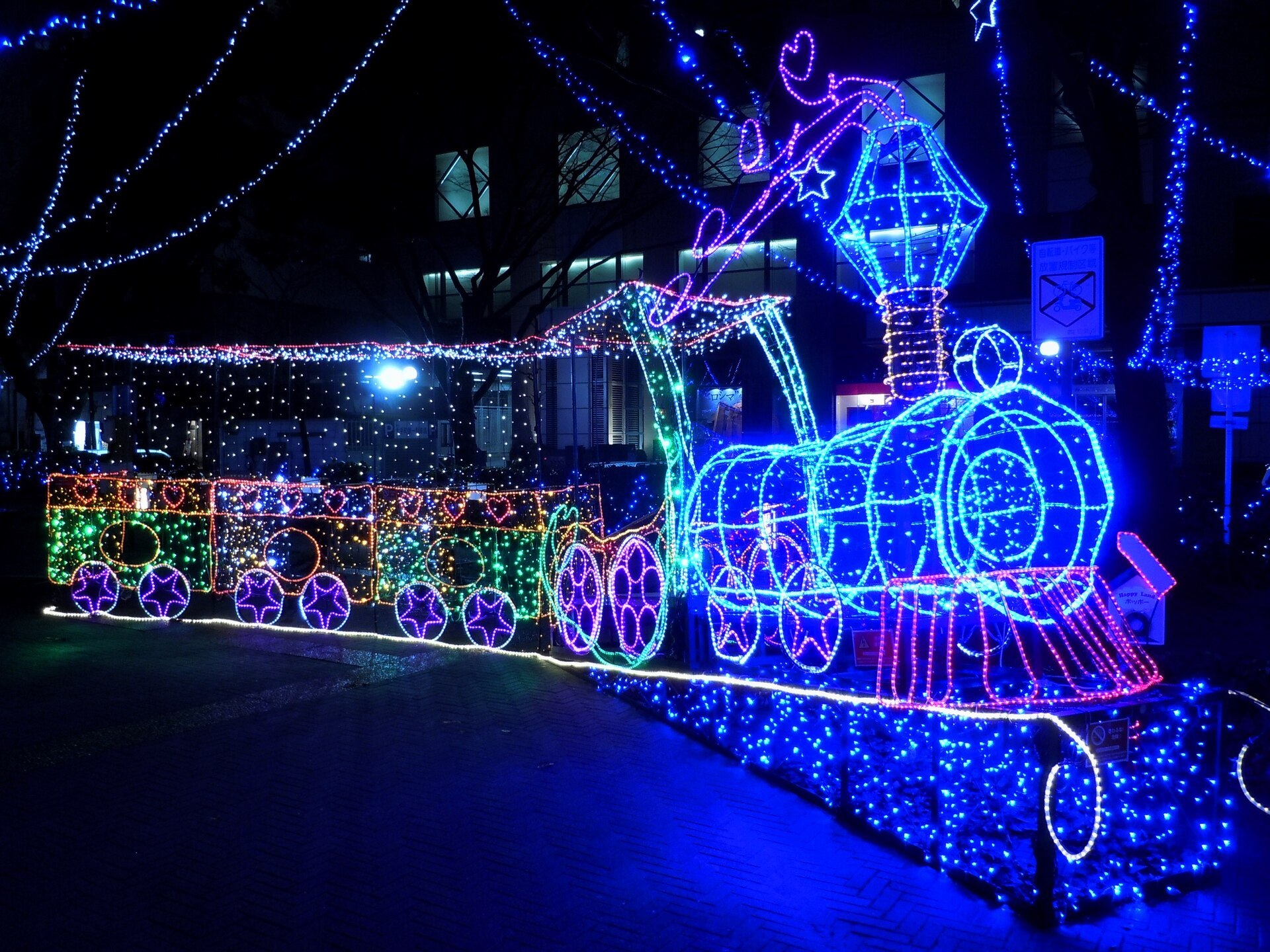
Usually held from 3–5 May, the Flower Festival fills Peace Boulevard and the area around Peace Memorial Park with performances, flowers and parades.
A closer look
It brings a lively public celebration to the centre of the city. Set aside time to wander between stages and watch part of a procession.
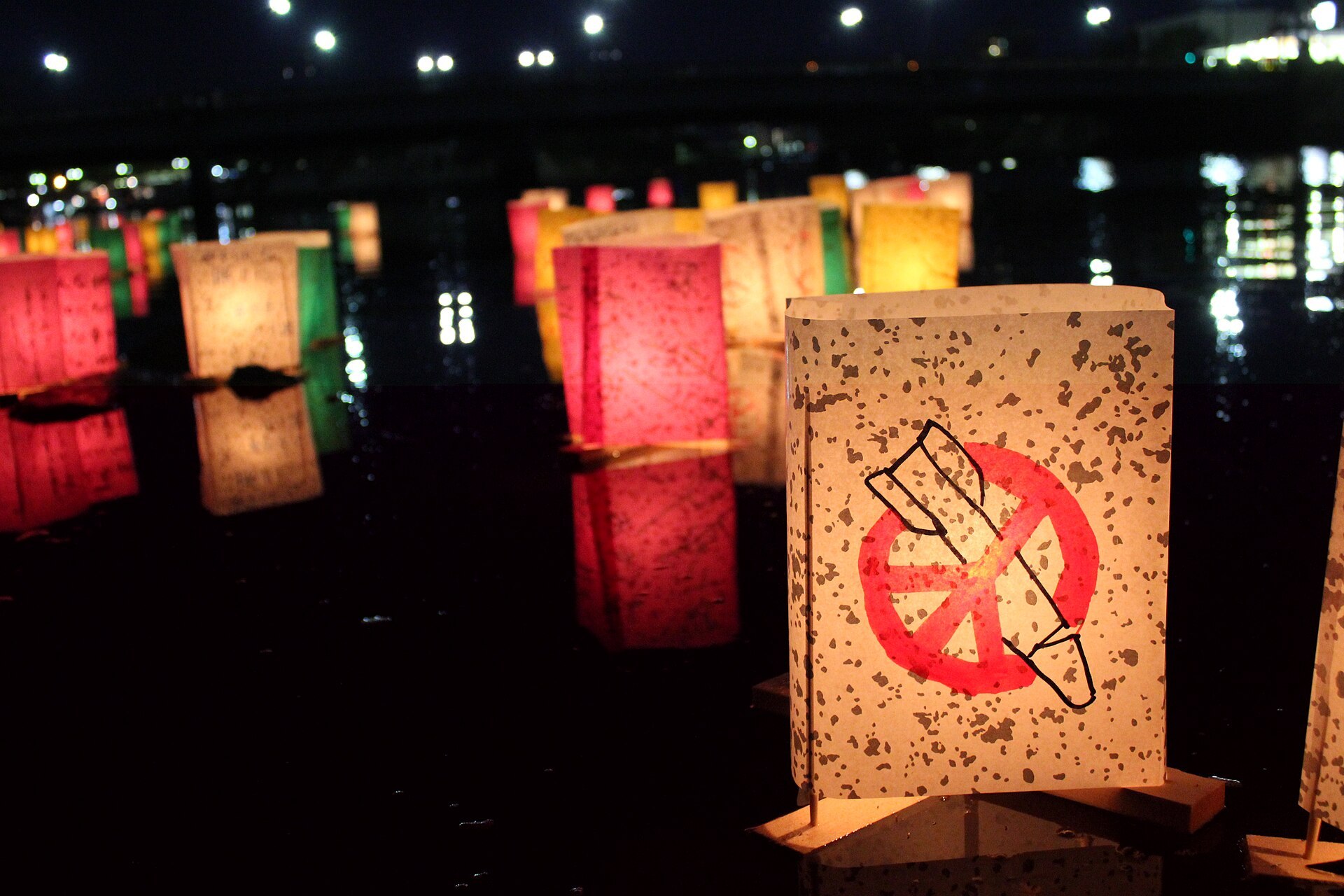
The anniversary of the atomic bombing is marked by the Peace Memorial Ceremony and a moment of silence at 8:15.
A closer look
Lantern-floating in the evening carries messages of remembrance and peace onto the Motoyasu River. Approach the day with time and care for those commemorating loved ones; the city’s ceremony information explains visitor arrangements.
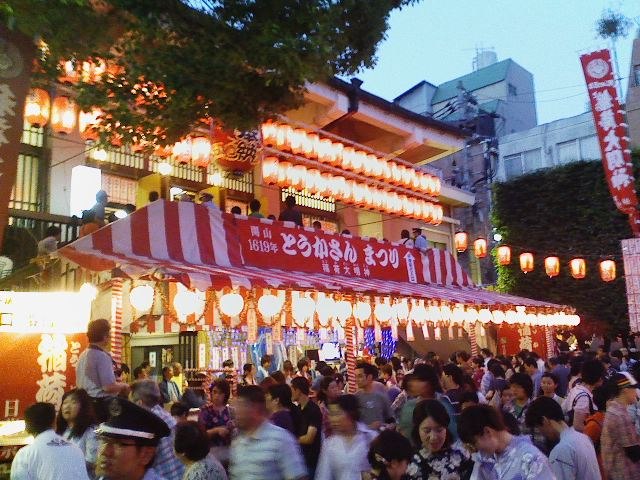
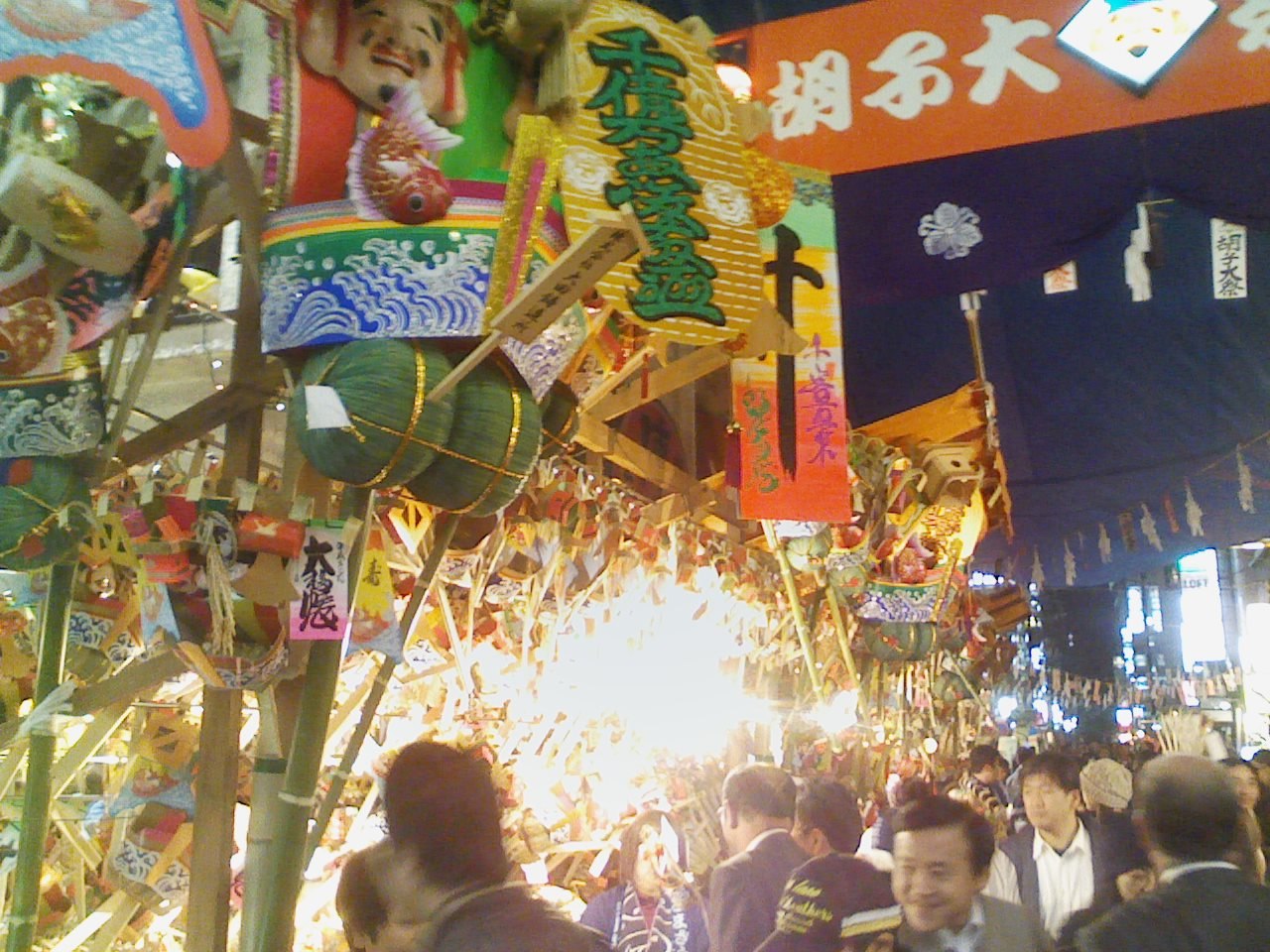
Around 18–20 November, the streets around Ebisu Shrine fill with people seeking good fortune in business.
A closer look
Decorated lucky rakes and festival stalls connect the celebration to the city’s merchants. Pair an evening walk through the festival with dinner around the central shopping streets.
Begin at the Peace Memorial Museum, then walk through the park to the Cenotaph, Children’s Peace Monument and Atomic Bomb Dome.
See the full day
09:00
Begin at the Peace Memorial Museum, then walk through the park to the Cenotaph, Children’s Peace Monument and Atomic Bomb Dome. Leave the morning open so you can move at your own pace.
13:00
Have okonomiyaki at Nagata-ya when you feel ready for lunch. Afterwards, take a quiet walk along the river.
15:00
Wander into Hondori and the side streets around Fukuromachi. Stop at Progress in Shintenchi for coffee and something sweet.
18:30
Make dinner an oyster meal at Kanawa Seto, then follow the river for an evening stroll. Keep the rest of the night unplanned.
Day 2
A garden morning & a choice of hillside afternoons
Walk through Shukkeien before moving back towards the city centre. Allow time to follow the smaller paths around the pond.
See the full day
09:00
Walk through Shukkeien before moving back towards the city centre. Allow time to follow the smaller paths around the pond.
12:00
Try Kunimatsu in Hatchobori for spicy noodles on a weekday, when the main shop serves lunch. On a weekend, use this meal for okonomiyaki or another central restaurant instead.
13:30
Choose the afternoon that appeals: take the train to Mitaki for a wooded temple walk, or head to Hijiyama for the contemporary art museum and park. Give either option the afternoon rather than rushing between both.
17:30
Return to central Hiroshima for dinner and a final evening around Hondori and Nagarekawa. If you have another day, continue to Miyajima using the linked island guide.