Japan
Japan, with a vegan at the table
What travelling with a vegan friend taught me about planning meals, asking better questions and sharing the pleasure of eating in Japan.
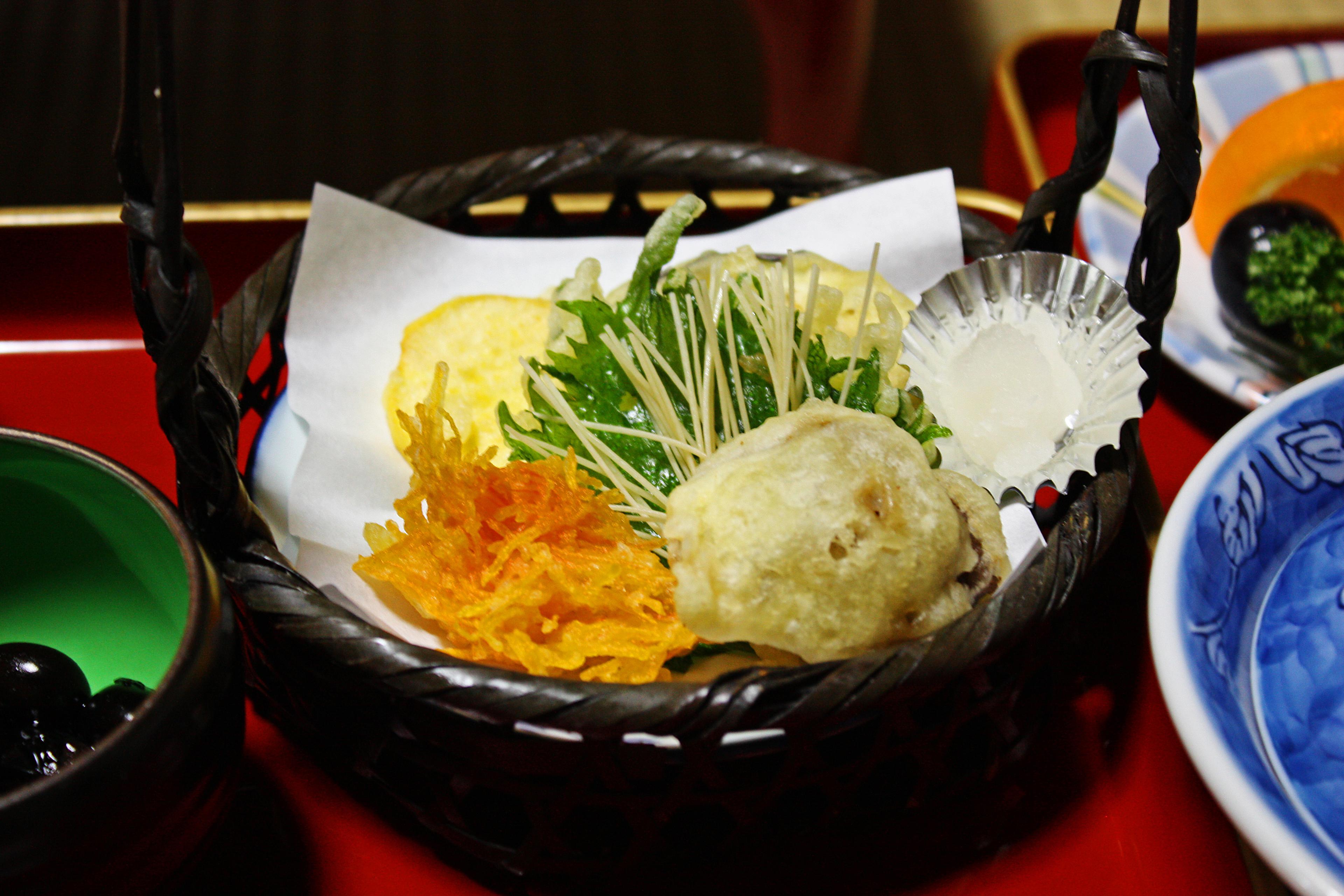
Food is one of the things I most look forward to when I travel in Japan. Travelling with a vegan friend taught me that the same anticipation can come with a very different amount of planning.
I’m not vegan, but some of my close friends are. Travelling in Japan with a vegan friend made me look again at something I had taken for granted: being able to walk into a restaurant, point to something appealing and assume there would be a meal for everyone.
Knowing Japan well did not automatically mean knowing how to make that happen. The question was no longer simply where I wanted to eat. It was where we could both enjoy eating, without one of us having to settle for whatever was left after everything else had been ruled out.
The ingredients you don’t see
A dish can look entirely vegetable-based and still contain fish. Dashi, the stock behind so much Japanese cooking, often includes bonito or other fish. It can be in a broth, a sauce or vegetables that seem like an obvious choice. Removing the visible meat is not the same as making a dish vegan.
That is where misunderstandings can begin. Saying ‘no meat’ may not communicate ‘no fish stock’, and ‘vegetarian’ does not necessarily communicate ‘no eggs or dairy’. This is not about people being unwilling to help. Sometimes you are simply asking different questions without realising it. A written explanation in Japanese, including stocks and sauces, is more useful than relying on a single label.
What travelling together taught me was to take that extra work seriously. When I was choosing a restaurant by its atmosphere or how convenient it was, my friend had another set of questions to answer first. Making space for those questions became part of travelling well together.
Easier in the city, worth planning elsewhere
Eating vegan in Japan can be difficult. Tokyo and Kyoto give you more dedicated vegan choices and more room to change plans. Outside the larger cities, I would look up meals before setting off, particularly for a rural overnight stay. Ask your accommodation in advance rather than assuming a dinner can be adapted when you arrive. Have a backup, and check opening days as carefully as the menu.
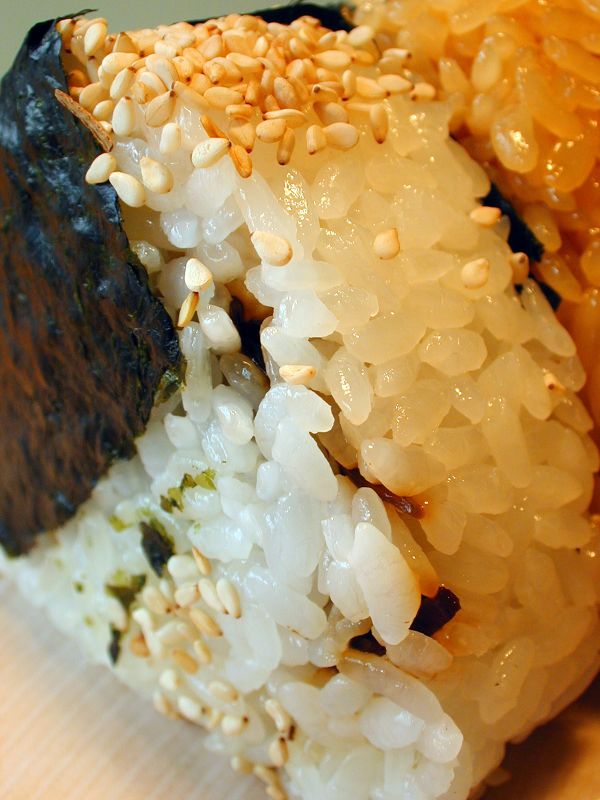
Convenience stores are useful across the country when you need a few basics. Look for fruit, plain nuts and konbu (kelp) onigiri, checking the ingredients on the specific product before buying. Konbu onigiri can be a useful option when the rice, filling and seasoning are all vegan, but the kelp filling alone is not a guarantee: stock or other seasonings may contain fish. At 7-Eleven and other chains, recipes and availability can vary, so check the current packaging rather than relying on the name. I would treat the konbini as a helpful backup, not promise that every shop will provide a complete vegan meal.
For that practical side, Is it Vegan? (Japan) is useful for packaged foods and label-reading, while HappyCow’s Japan directory helps identify places to investigate. Read recent updates and confirm with the venue or manufacturer where something is unclear. JNTO’s vegetarian and vegan guide is a good introduction to the broader picture.
And then there is the food itself
I don’t want the practical difficulties to become the whole story. When Japan does vegan food well, it does it so well. There is no reason a meal should feel like a consolation prize. It can be the thing you remember most clearly about the day.
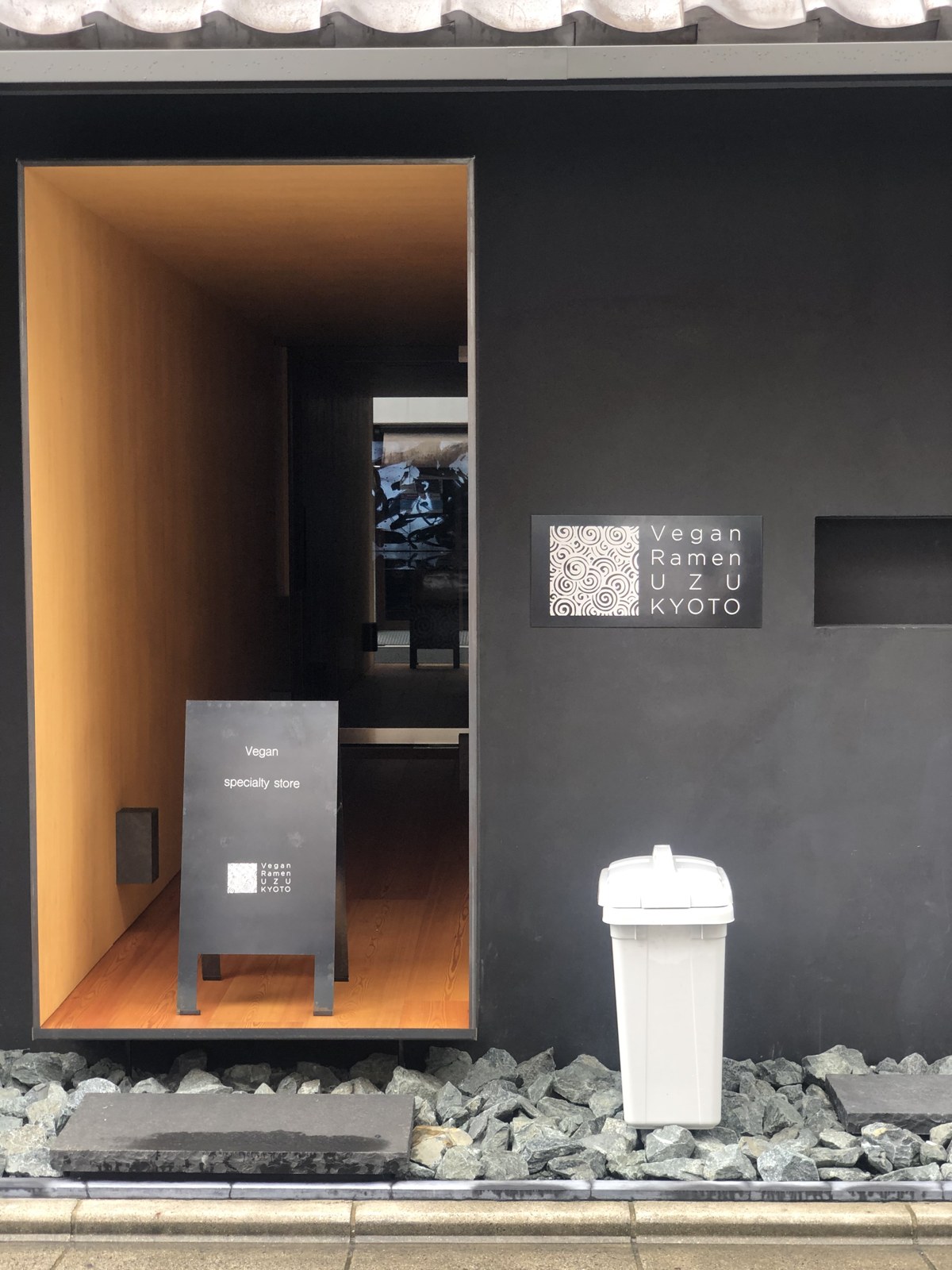
Kyoto’s Vegan Ramen UZU is a favourite of mine. Its broth uses kelp, shiitake and vegetables: a reminder that depth of flavour does not depend on meat or fish. Japan also has a long tradition of Buddhist temple cooking, shōjin ryōri, worth exploring with the same care about the particular menu. Plant-based cooking is not simply a new idea arriving from elsewhere.
Travelling with a friend changes your attention. You start noticing the places that make it easy to share a meal, and how much more relaxed the day feels when nobody has to negotiate their dinner. I would build those places into the route just as deliberately as a temple, a view or a neighbourhood walk.
A few places to start
These are suggestions to research for your trip, rather than a claim that my friend and I visited every one. Confirm current ingredients and preparation with each venue, and check opening days and reservations before going.
Tokyo
AIN SOPH. Journey Shinjuku serves plant-based meals and desserts near Shinjuku-sanchōme, including its signature vegan pancakes. It makes an easy place to plan a proper sit-down pause into a Shinjuku day; the restaurant recommends reservations.
marbre vegan: Plant-based cakes and sweets beside Shinjuku Gyoen. A sweet pause before or after a walk in the gardens. Saved Google Maps link.
T’s Tantan — Ueno specialises in vegan ramen and makes a useful meal stop around a day exploring Ueno’s park and museums. It is inside JR Ueno Station’s ticket gates, so allow for station entry and check the current branch details before going.
Vegan Sushi Tokyo: Plant-based sushi in Shōtō, a short walk from central Shibuya. Reserve ahead and check the current menu. Saved Google Maps link.
Vegan stops in Tokyo
Kyoto
Vegan Ramen UZU pairs ramen with an intimate, art-filled setting. Check the current courses and reserve ahead. Towzen is another option in Shimogamo, specialising in soy-milk ramen; its own website describes its dishes as free from animal products. Combine lunch with a northern Kyoto day, after checking the current service arrangements.
ITADAKIZEN KYOTO: A plant-based meal in the Nishijin area. Build it into a northern Kyoto day and check reservations before setting off. Saved Google Maps link.
ZIRAEL Vegan Restaurant: Vegetable-led vegan plates in Gion, with Kyoto produce at the centre. Limited daily servings can sell out. Saved Google Maps link.
Vegan meals in Kyoto
You can also use the Vegan filter in our Tokyo food guide and Kyoto food guide. A little preparation gives the day more room to unfold. The aim is to spend less of the journey worrying about food, and more of it enjoying a meal together.
Sources & Further Reading
- Japan National Tourism Organization. “A Vegetarian and Vegan Guide to Japan.” Travel Japan. https://www.japan.travel/en/guide/vegetarian-guide/.
- Is it Vegan? (Japan). “About.” Is it Vegan? (Japan). https://isitveganjapan.com/.
- HappyCow. “Vegan Restaurants in Japan.” HappyCow. https://www.happycow.net/asia/japan/.
- AIN SOPH.. “Journey Shinjuku.” AIN SOPH.. https://en.ain-soph.jp/journey-shinjuku.
- Vegan Ramen UZU. “UZU Kyoto.” Vegan Ramen UZU. https://vegan-uzu.com/pages/uzu-kyoto-en.
- Towzen. “English.” Towzen. https://www.mamezen.com/english/.
- marbre vegan. “Restaurant information.” marbre vegan. https://www.instagram.com/marbre_vegan/.
- Vegan Sushi Tokyo. “Restaurant information.” Vegan Sushi Tokyo. https://vcook.co.jp/vegansushitokyo/jp.
- ITADAKIZEN KYOTO. “Restaurant information.” ITADAKIZEN KYOTO. https://www.itadakizen-uk.com/kyoto.
- ZIRAEL Vegan Restaurant. “Restaurant information.” ZIRAEL Vegan Restaurant. https://ziraelinc.wixsite.com/zirael-restaurant/ja.
- T’s Restaurant. “T’s Tantan.” T’s Restaurant. https://ts-restaurant.jp/tantan/.