Japan
Finding Little Yangon in Takadanobaba
Living nearby, discovering Burmese restaurants, and learning about the journeys that helped shape this corner of Tokyo.
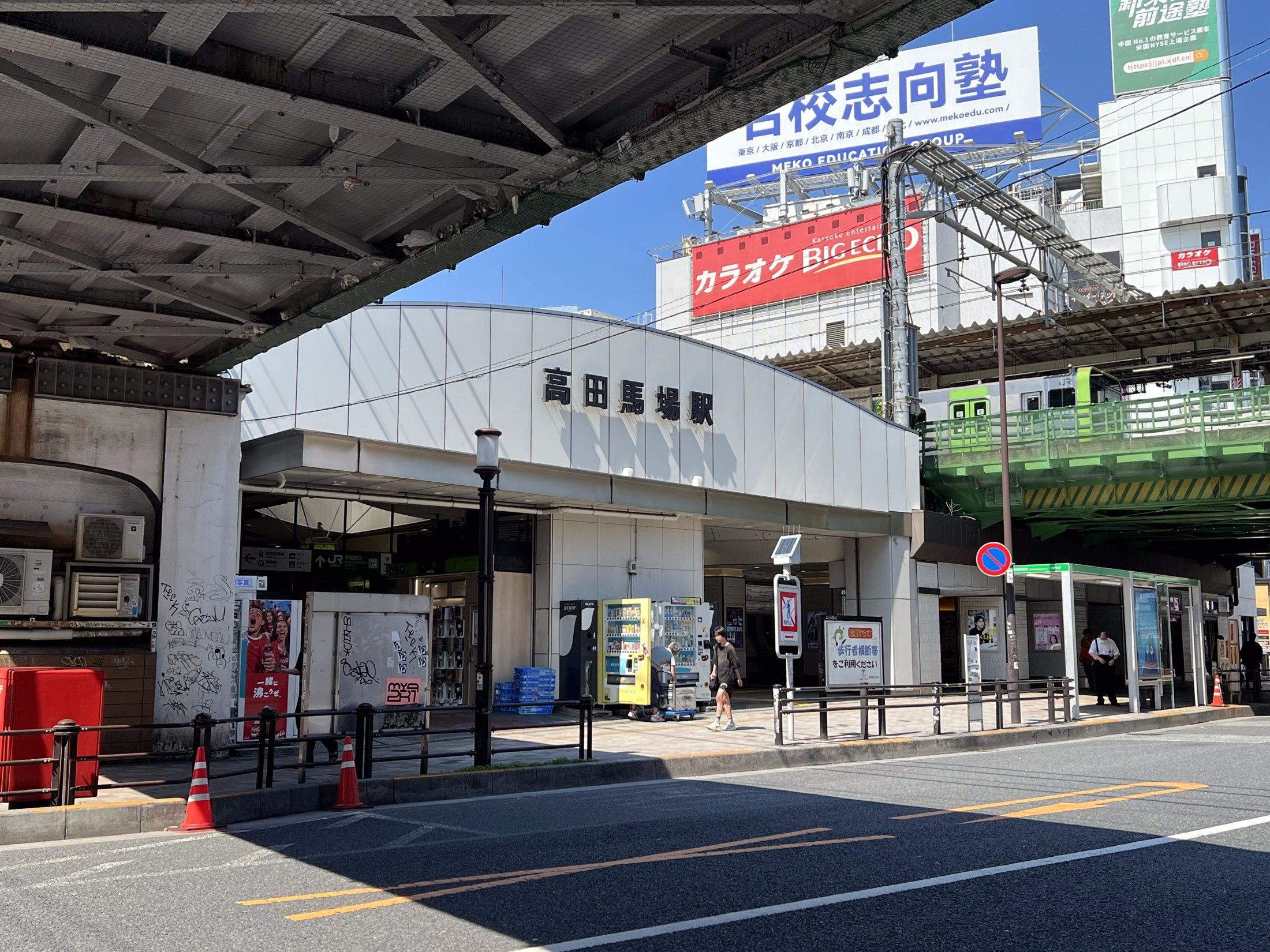
One of the surprises of living near Takadanobaba was discovering how many other journeys had brought people there.
I used to live near Takadanobaba. What surprised me when I went there was how many Burmese restaurants there were. This was a part of Tokyo close to home, yet there was a whole history behind its restaurants that I knew very little about.
It is easy to imagine that getting to know a city means learning its stations, its main streets and the quickest way home. Takadanobaba reminded me that you can know where somewhere is without really knowing much about it. The restaurants made me curious. Why here?
A familiar station with a longer history
If you know Shinjuku and Ikebukuro, Takadanobaba sits between them on the western side of the Yamanote loop. It is in northern Shinjuku Ward: two Yamanote stops north of Shinjuku, through Shin-Ōkubo, and two stops south of Ikebukuro, through Mejiro.
The Seibu Shinjuku Line and Tokyo Metro Tōzai Line also meet JR here. Waseda University lies to the east, helping give the surrounding streets their student-neighbourhood feel: somewhere to change trains, meet friends, browse books and find an affordable meal.
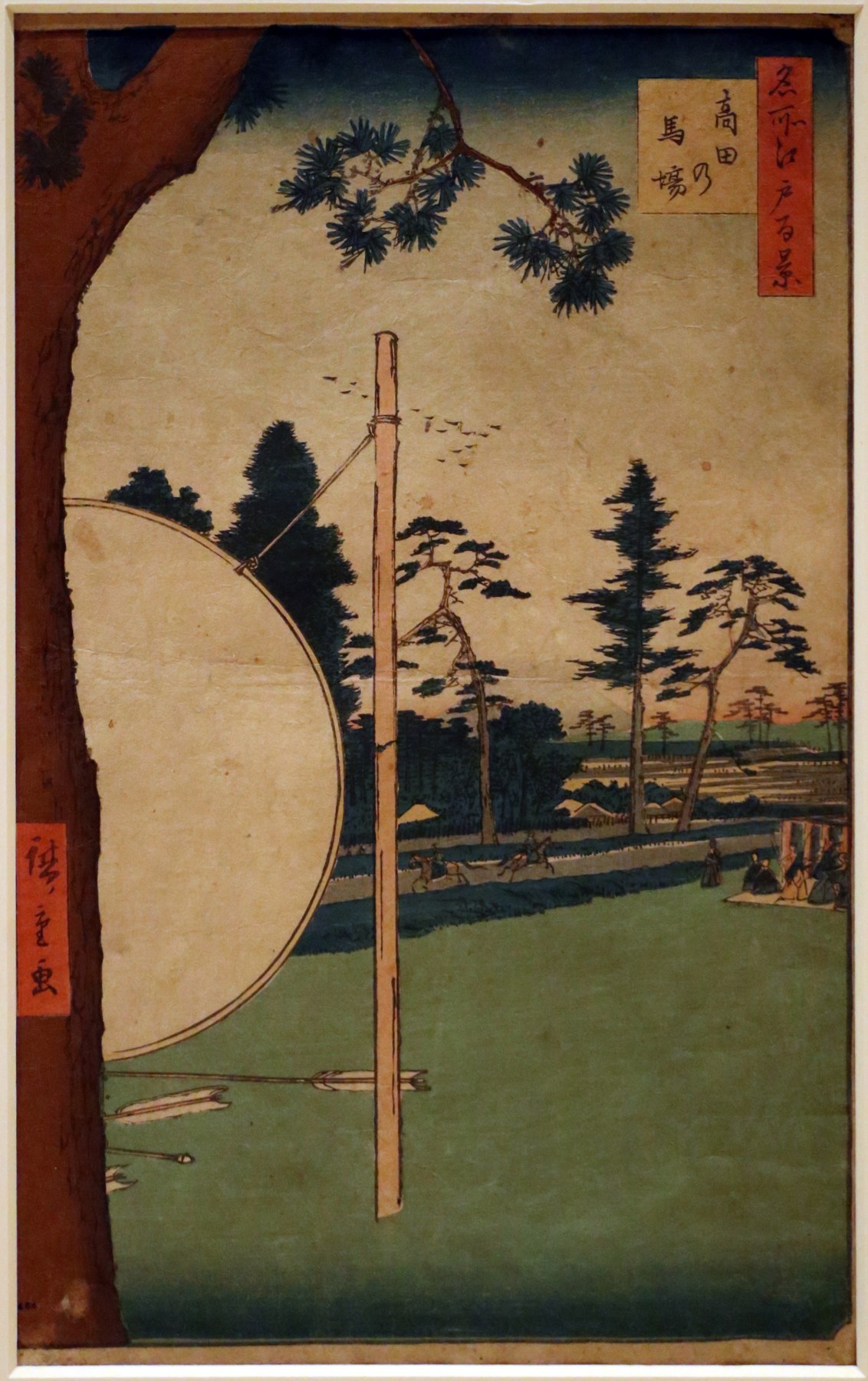
The name reaches much further back than the railway. A baba is a horse-riding ground, and a riding ground was established here in 1636 for training in horsemanship and archery. The historic site was in what is now Nishi-Waseda, east of the modern station. Edo-period illustrations show a landscape that is difficult to imagine among today’s buildings.
The neighbourhood’s more recent history connects these streets to Myanmar, and to the people who built new lives here.
How “Little Yangon” took shape
Takadanobaba is often called “Little Yangon”, after Myanmar’s largest city. Its emergence is connected to the military suppression of the pro-democracy movement in Burma, now Myanmar, in 1988. Some of those who fled persecution came to Japan. The restaurants that visitors encounter today sit within that longer history of displacement and rebuilding a life.
Housing, work and personal connections helped determine where people settled. In a 2017 interview published by the Japan Association for Refugees, restaurant owner Kyaw Kyaw Soe recalled an early community around nearby Nakai in the early 1990s. Older, cheaper apartments and people who could help others secure accommodation made a difference.
He dated a move towards Takadanobaba to around 1996, describing its railway connections as an attraction. A separate account published by the University of Tokyo newspaper in 2020 also traces the community’s shift from Nakai to Takadanobaba in the later 1990s, linking it to access to work along the Yamanote Line. Together, these community members’ recollections describe a gradual shift over several years.
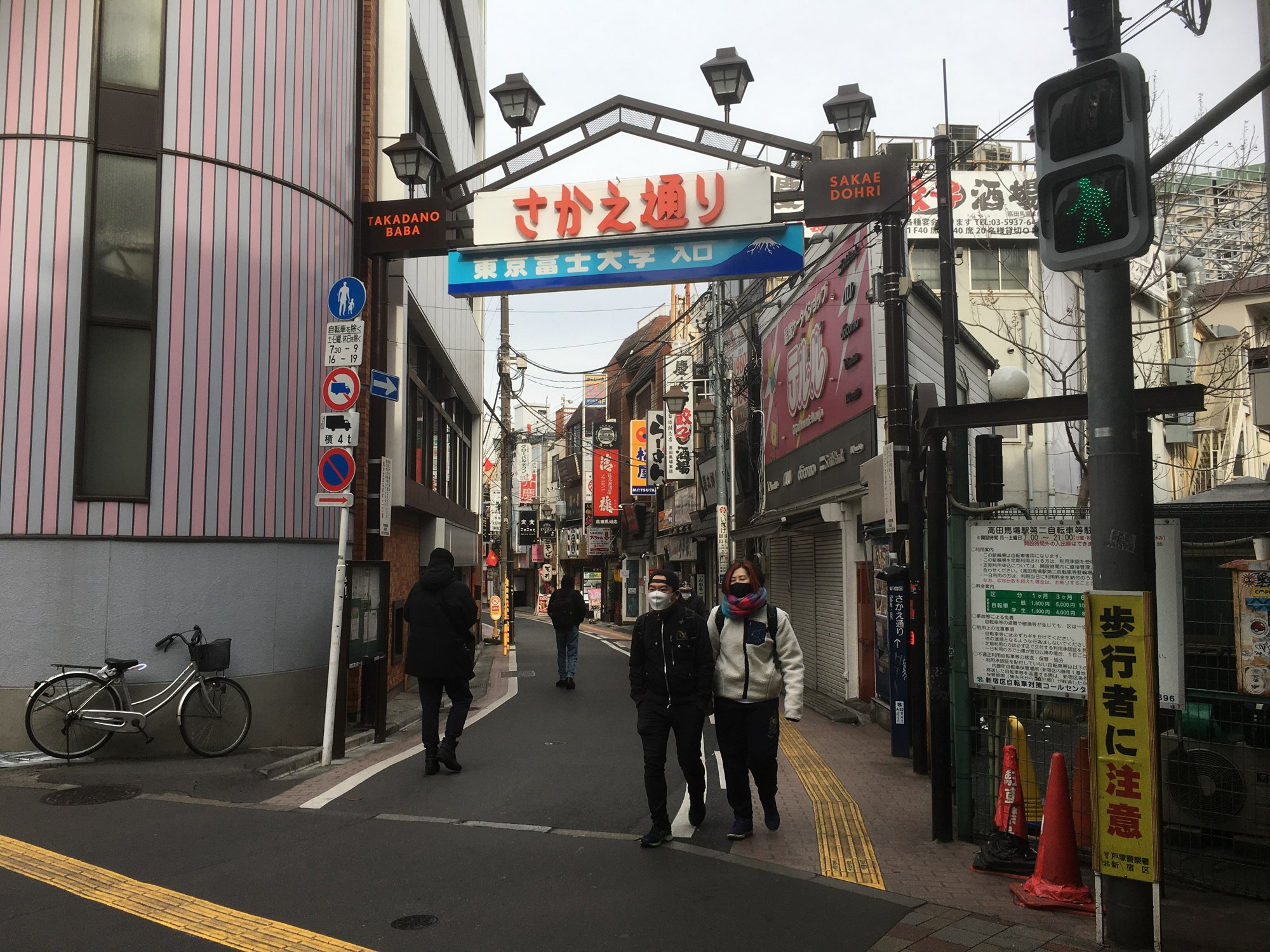
As people established themselves, shops and restaurants became places to find familiar food and exchange practical information. The 2020 account describes restaurants as spaces where people could meet and share knowledge about life in Japan. A meal was only part of what they offered.
Myanmar’s ethnic and linguistic diversity is part of this history too. The Japan Association for Refugees’ reporting describes that diversity within the neighbourhood’s businesses, including different culinary and community traditions. Within “Little Yangon” are many different experiences of leaving home and settling in Japan.
Start with a meal
Mya Myint Mo, which you’ll also find in my Tokyo food recommendations, is tucked into the ground floor of a building behind the main square. It is easy to miss if you don’t know where to look. Finding the entrance is part of the experience.
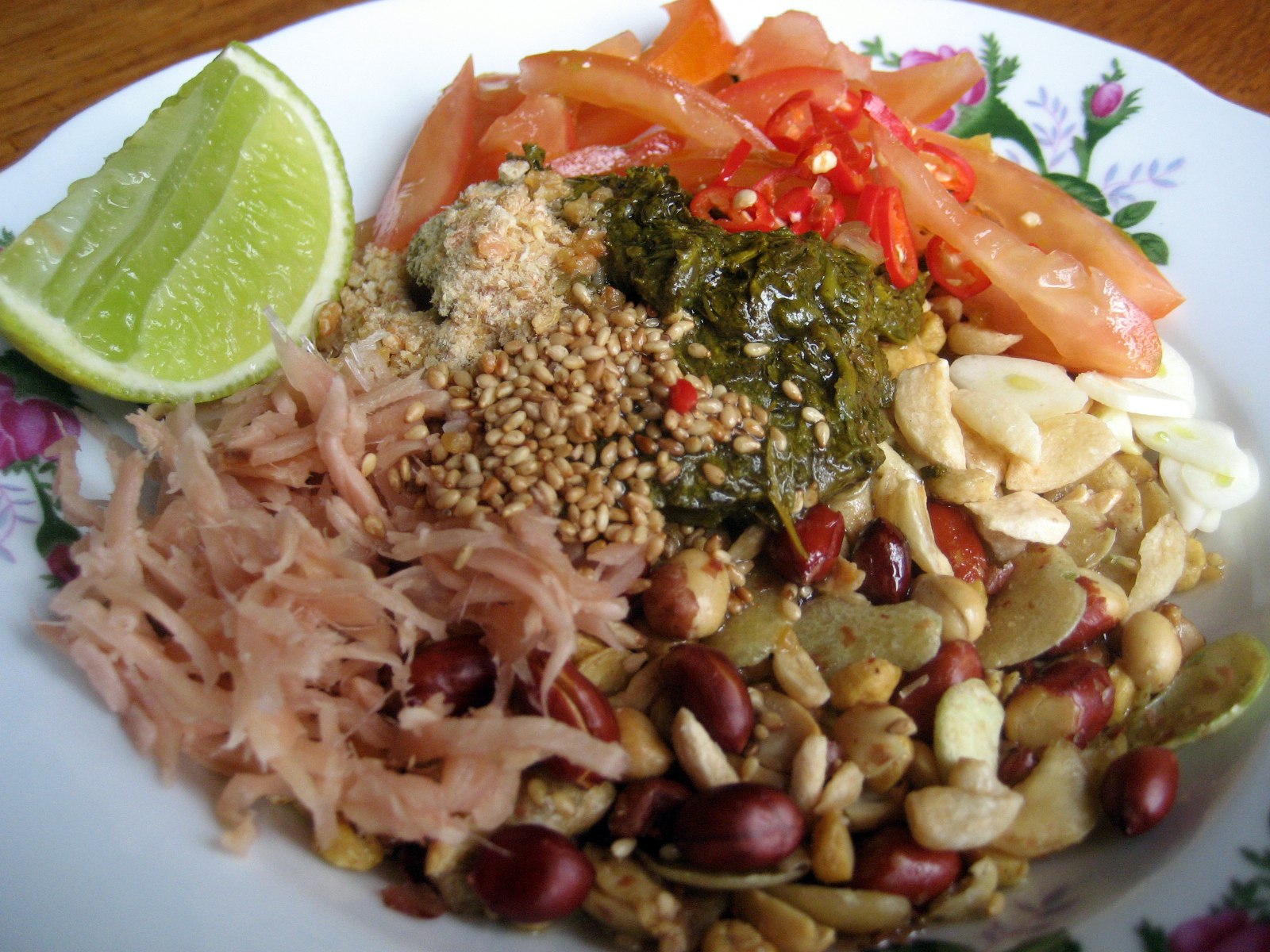
Inside, the light is dimmer than the bright Tokyo streets outside, and the menu is in Burmese and Japanese. To me, it feels a little like stepping into another country. The specials matter here: what you choose can make the meal, or leave you wishing you had ordered differently. I would take time over the menu and give the specials some attention.
That is part of what I like about the place. In a building you could easily walk past, there are traces of another home: its language, its food, and an atmosphere that makes you look at Tokyo differently when you step outside again.
A Burmese meal in Takadanobaba
The diversity you can walk past
What stayed with me was my own surprise. I had been living nearby, but had not expected to encounter so many Burmese restaurants. The gap was in what I knew about Tokyo.
We often arrive in Japan with quite a specific picture of what we are looking for. That can make us attentive to a temple gate or an old wooden shopfront, while barely noticing the other histories beside them. A restaurant sign can tell you something about migration, about making a living, and about keeping connections with another home.
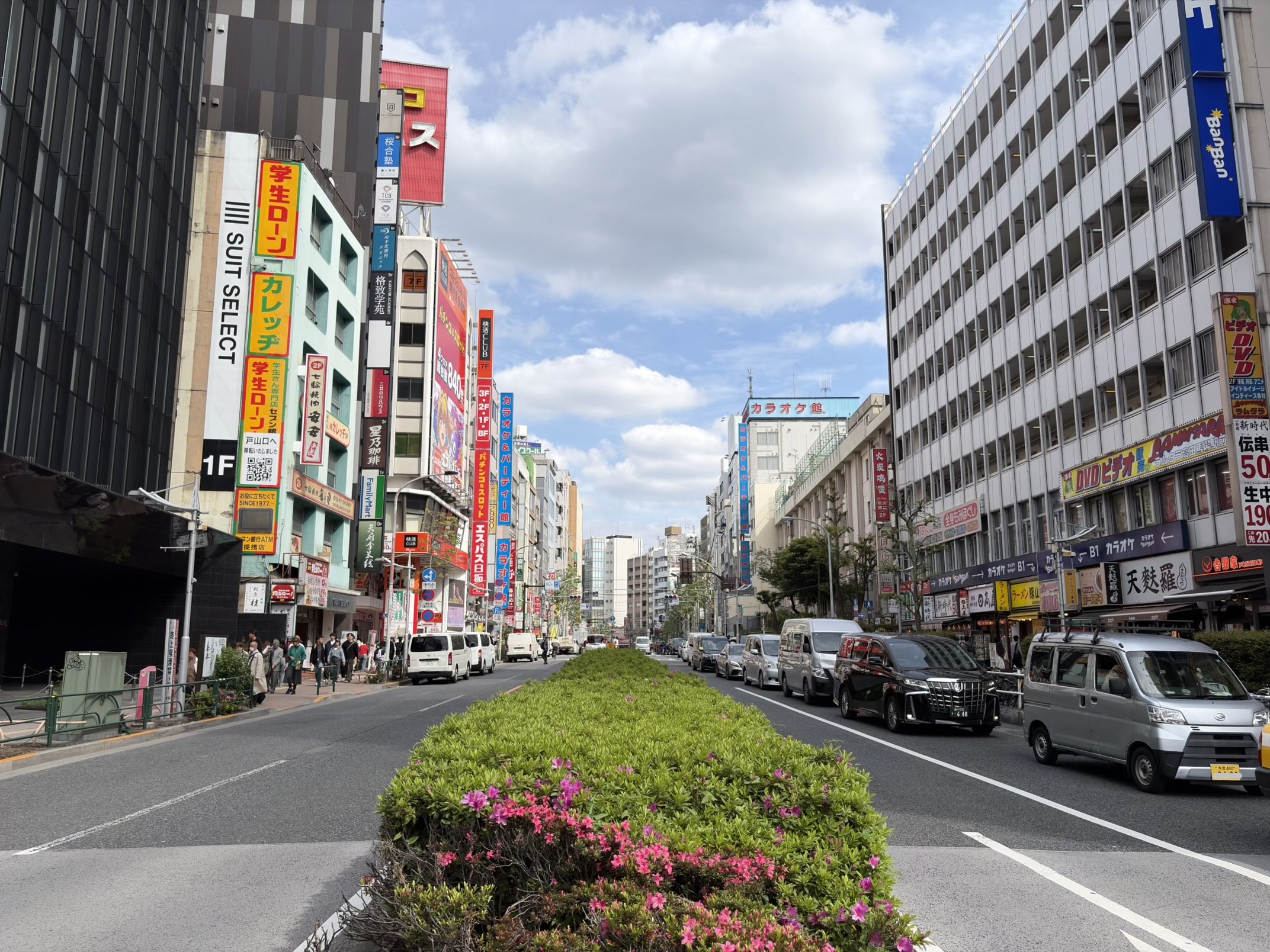
For me, this is part of Tokyo’s hidden diversity: the everyday lives and connections that visitors, and sometimes nearby residents, can easily overlook. The people who use these shops and restaurants know this side of the city well. I was only beginning to notice it.
Knowing a little of the story changes how you see the street outside after dinner. In Takadanobaba, the lives of students and commuters overlap with the history of an old riding ground and the journeys that brought people from Myanmar to Tokyo.
That is the kind of discovery I like most. Somewhere close enough to feel familiar, until you realise how much more there is to understand.
Sources & Further Reading
- National Diet Library. “Takadanobaba.” Exploring Japanese Landmarks in Nishiki-e and Photographs. https://www.ndl.go.jp/en/landmarks/sights/takadanobaba.
- Tokyo Metropolitan Library. “Takada Baba (Takada Riding Ground) from “Guide to Famous Spots of Edo Vol. 4”.” Tokyo Metropolitan Library. https://www.library.metro.tokyo.lg.jp/portals/0/edo/tokyo_library/english/modal/index.html?d=5675.
- Mochizuki, Hiroki. “民主化の闘士からレストランの店長へ。ミャンマー街の重鎮が語る「リトルヤンゴン」30年間の記憶.” Nippon Fukuzatsu Kikō, Japan Association for Refugees. December 14, 2017. https://www.refugee.or.jp/fukuzatsu/hirokimochizuki01.
- Burma Tabegoto Project participants. “「リトルヤンゴン」を学ぶ ディープでおいしい高田馬場のミャンマー料理店の数々.” Tōdai Shimbun Online. October 17, 2020. https://www.todaishimbun.org/littleyangon20201017/.
- Shinjuku City and Shinjuku Convention & Visitors Bureau. “Takadanobaba / Waseda.” Shinjuku Tourist Map. 2025. https://www.gotokyo.org/book/wp-content/uploads/2025/10/2510_takadanobaba_EN_low.pdf.